
 EN
EN
 ar
ar bg
bg hr
hr cs
cs da
da nl
nl fi
fi fr
fr de
de el
el hi
hi it
it ko
ko no
no pl
pl pt
pt ro
ro ru
ru es
es sv
sv tl
tl iw
iw id
id lv
lv lt
lt sr
sr sk
sk sl
sl uk
uk vi
vi et
et hu
hu th
th tr
tr fa
fa ms
ms hy
hy ka
ka ur
ur bn
bn mn
mn ta
ta kk
kk uz
uz ku
ku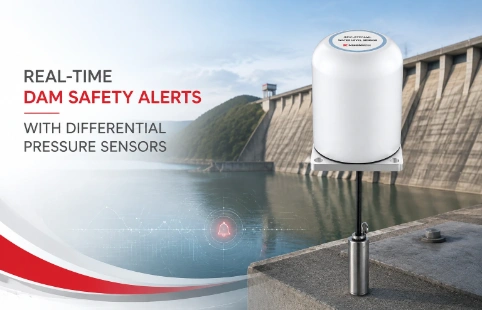
Real-Time Dam Safety Alerts with Differential Pressure Water Level Sensors
Key Takeaways An alert chain needs more than a sensor: define field in...

Weir Flow Meter: Cost-Effective Flow Monitoring
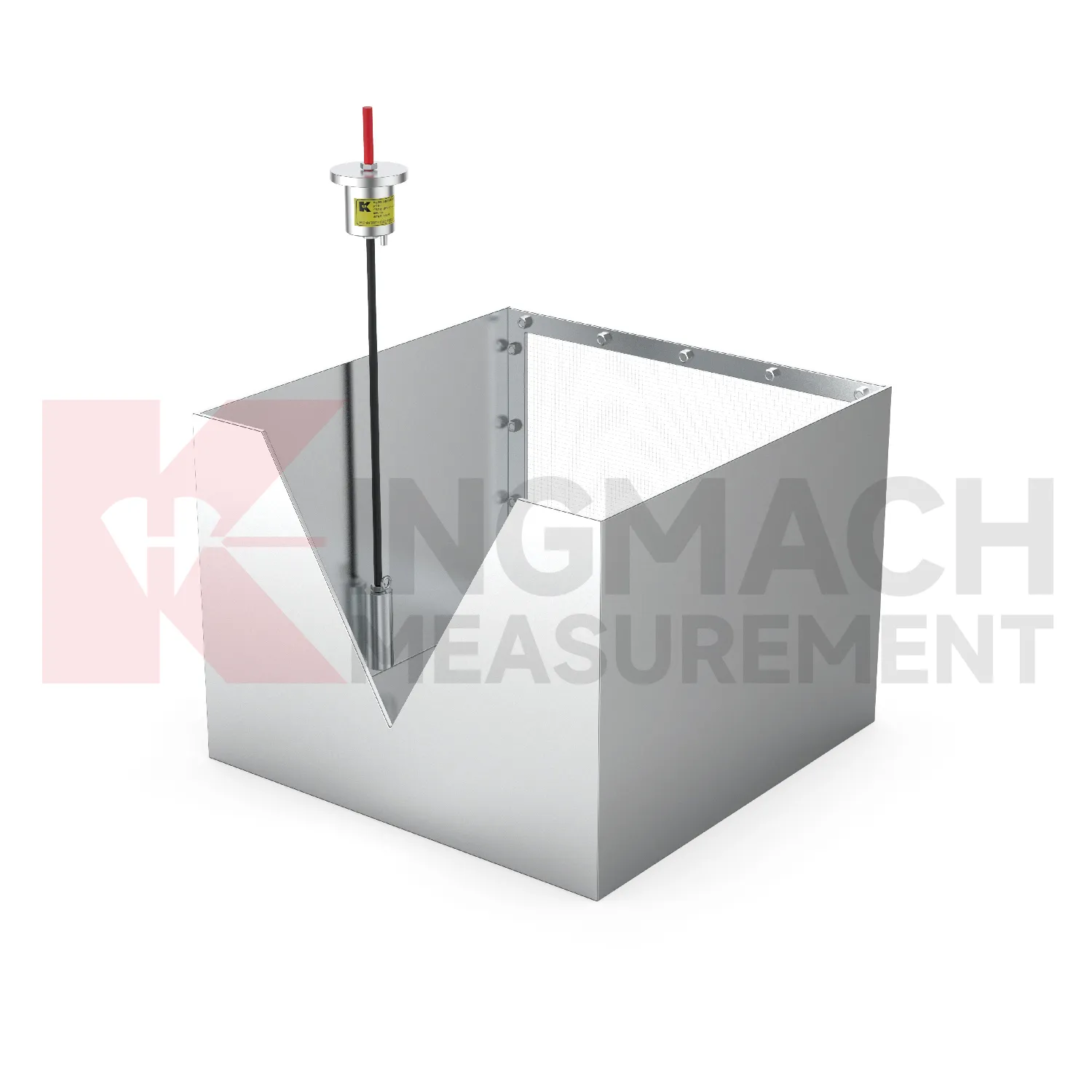
Factoring in purchase price, installation, and ongoing maintenance, a weir flow meter often stands out as one of the more practical choices for open channel flow measurement. The reason is straightforward: the primary element is just a shaped plate installed in a channel. No moving parts, no sensors that drift with time, and no complicated electronics that have to live above the water. That simplicity keeps both the upfront cost and the long-term headache to a minimum. Kingmach brings a manufacturer’s focus to this — we’re not reselling someone else’s design. Our weir plates and conditioners are built to handle real field conditions, and we can adapt the sizing, material, and mounting approach to fit the site instead of forcing the site to adapt to the meter. For consultants and integrators who need to watch budgets but still require measurements that can be trusted quarter after quarter, a well-made weir paired with a no-frills level transmitter is still one of the strongest value propositions out there. It’s a call worth making early in the planning stage, because the cost difference between a properly engineered weir and a makeshift alternative often disappears after the first season of service.
Technical Detail
From a cost-accounting perspective, a weir flow meter’s economics start making sense the minute you look beyond the initial price tag. The design itself is low risk: a sharp-crested or broad-crested plate anchored into a channel, with an upstream level transmitter that can be something as basic as an ultrasonic or radar unit. Kingmach manufactures both the hydraulic plate and the companion bracket/conditioning sections, so you’re not juggling multiple suppliers for what should be a single measurement point. We keep a wide inventory of common sizes, and our engineering team routinely adjusts throat dimensions, plate thickness, and material grade — stainless steel, GRP, PVC — based on the wastewater, irrigation, or process stream involved. That flexibility matters because a standard off-the-shelf weir often requires expensive channel modifications that wipe out any hardware savings. By working directly with a specialist manufacturer, you get a weir that fits the existing channel profile, with tolerances that stay within ISO 1438/1 or ASTM D5242 guidelines without paying a premium for it. Installation is typically a one-day affair for a small crew, and once commissioned, the maintenance routine rarely exceeds an occasional level cleaning and a quick dimensional check. The ongoing cost is essentially the transmitter, which can be sourced locally or through our global network, and we provide technical documentation that helps field technicians keep everything in calibration. When you spread that over a five- or ten-year service life, the total cost per data point is hard to beat — especially compared to flumes or doppler systems in the same accuracy class. We’ve also seen clients use weirs in cascading applications where the head loss is actually a design feature, not a penalty, and that integration eliminates the need for dedicated stilling wells, further reducing project cost. It’s that kind of project-level thinking — not just a product sale — that our team contributes from the first site sketch to the final commissioning report. If ROI calculators were built for open channel metering, a well-specified weir would top the list more often than not.
News
Key Takeaways An alert chain needs more than a sensor: define field in...
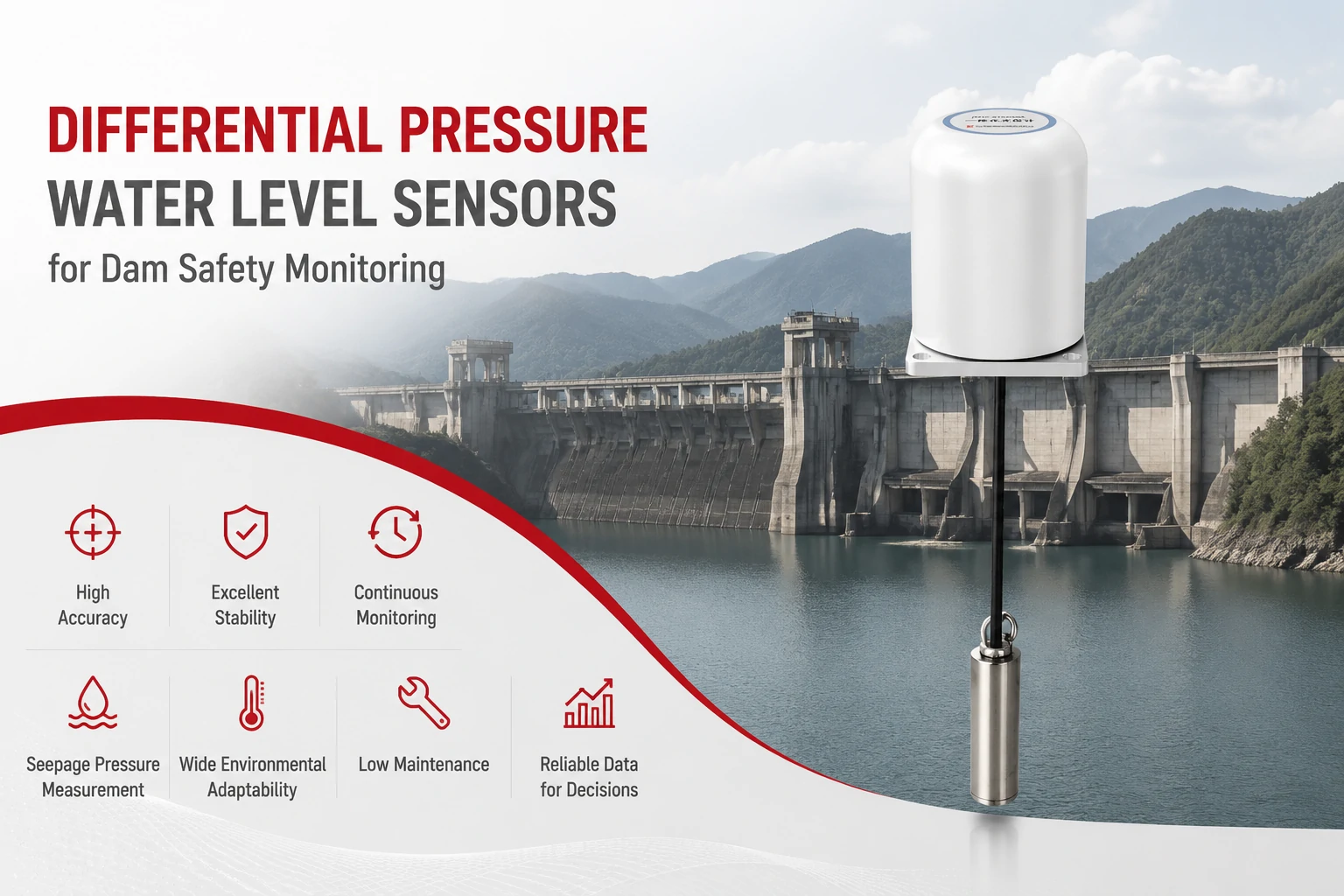
Key Takeaways The strongest fit is usually a confined, submerged, or s...
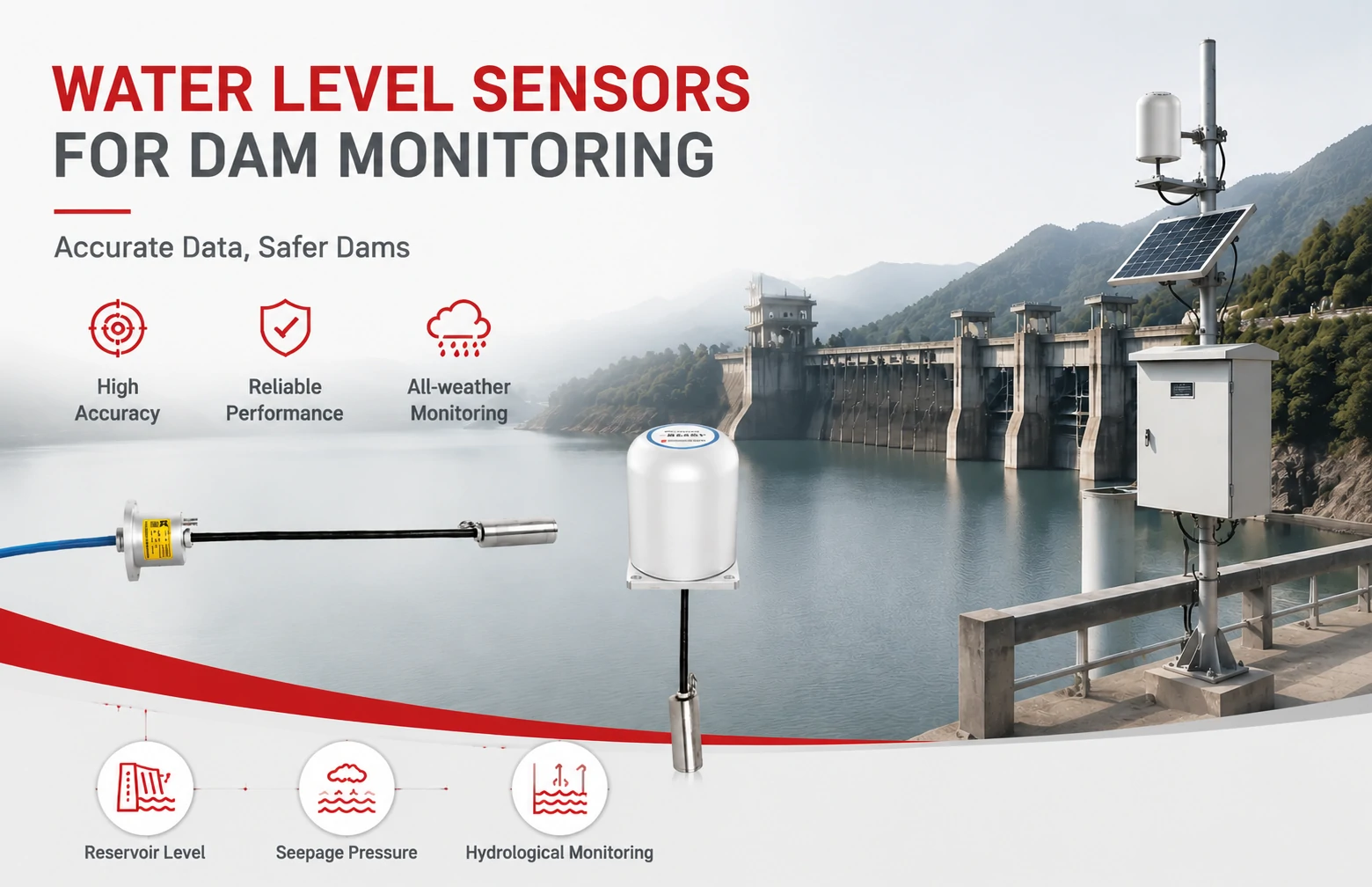
Kingmach Water Level Sensors for Dam Monitoring: A Buyer's Guide to Differential Pre...
Products
FAQ
In most cases, yes, when you account for the total installed cost. A weir needs a plate and a basic level transmitter, while a full-bore magnetic meter in an open channel typically needs a primary device like a flume or a weir anyway, plus a more expensive sensor and transmitter. The real savings show up in maintenance: weirs have no electrodes to coat, no lining to inspect, and no cable runs that require calibration checks as often.
We’re the manufacturer, so the engineering overhead is built into our standard product line. We keep a broad stock of common plate sizes and use CNC cutting for consistent throat geometries. Accuracy in a weir comes mainly from the hydraulic edge condition and the upstream approach, so we focus quality control there and offer a straightforward transmitter pairing — you’re not paying for features you don’t need.
Absolutely. That’s one of the biggest cost-saving steps. We often adjust the crest width, side contraction, or mounting flange design so the weir drops into the existing channel with minimal coring or grouting. Send us a sketch or a photo with dimensions, and we’ll propose a configuration that avoids channel reconstruction.
For the weir plate itself, it’s mostly visual inspection for debris and occasional cleaning of the crest. The transmitter usually needs an annual zero-check and, depending on the model, a sensor face wipe. No factory recalibration trips. We include a maintenance guide that shows field techs how to spot when the edge might need re-sharpening or if the approach section has shifted.
Yes, we work with integrators and government tenders regularly. We can fix a site-wide specification so all weirs share the same type, transmitter, and spare parts, which cuts storage and training costs. Volume pricing and scheduled deliverables are part of the quote — just give us the quantities and a timeline.
Share your product type, target capacity, and application requirements. Our team can review the details and recommend a practical next step.
If you are interested in our products or want to become our partner.
Please leave your contact information, our team will contact you as soon as possible.
Mail: [email protected]
Contact Us: +8613808434127
Address: No. 188 Tongzipo West Rd, Changsha, Hunan, China