
 EN
EN
 ar
ar bg
bg hr
hr cs
cs da
da nl
nl fi
fi fr
fr de
de el
el hi
hi it
it ko
ko no
no pl
pl pt
pt ro
ro ru
ru es
es sv
sv tl
tl iw
iw id
id lv
lv lt
lt sr
sr sk
sk sl
sl uk
uk vi
vi et
et hu
hu th
th tr
tr fa
fa ms
ms hy
hy ka
ka ur
ur bn
bn mn
mn ta
ta kk
kk uz
uz ku
ku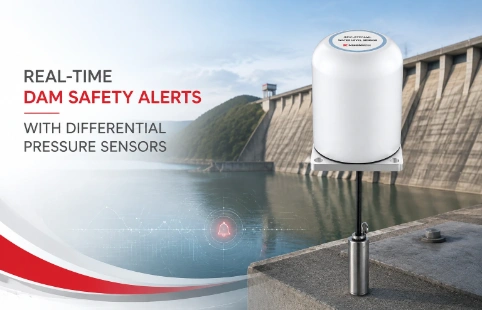
Real-Time Dam Safety Alerts with Differential Pressure Water Level Sensors
Key Takeaways An alert chain needs more than a sensor: define field in...

Strain Gauge with Load Cell Sensors for Structural Monitoring
Engineers monitoring tunnels, bridges, or deep foundations often need both strain and load data from a single point. A strain gauge paired with a load cell does exactly that. Kingmach builds sensors that combine these two functions, so you measure deformation and force simultaneously without installing separate instruments. This approach saves time during setup and reduces the number of cable runs. For projects with tight access or concrete embedment, a combined unit means fewer fixtures to protect during construction. The immediate benefit is a clearer picture of structural behaviour: strain tells you how a member is flexing, while corresponding load readings confirm whether forces align with the design assumptions. Kingmach manufactures these sensors in-house and adapts them to different cable lengths, mounting brackets, and output signals to match site data loggers. Because every site is different, the team asks practical questions about your measurement range, environment, and reading frequency before recommending a configuration.
Technical Detail
Kingmach‘s strain gauge with load cell builds on decades of geotechnical instrument manufacturing. Rather than a one-size-fits-all design, each unit is configured to the project’s expected strain band and load range. The sensing element uses foil strain gauges bonded to a custom-machined element, housed in stainless steel for corrosion resistance. Standard protection class is IP67, with IP68 available for submerged installations. Output options cover 4–20 mA, mV/V, and digital RS485, so they plug into most automatic monitoring systems without extra signal conditioners. The built-in temperature compensation keeps readings stable across -20°C to +80°C, which matters when you are monitoring a bridge girder through seasonal shifts. For long-term monitoring, the sensor‘s fatigue life is rated for millions of cycles, backed by Kingmach’s own cyclic tests. The gauge length and mounting style—spot-weldable, epoxy-bonded, or bolt-on—are specified after the team reviews your structural drawings. On the load side, capacities range from 100 kN to 5,000 kN, and the cell can be integrated as a compression-only or tension-compression element. Kingmach also supplies dummy gauges for temperature compensation when full bridges are needed. Because the company runs a network of distributors with local stock, replacements or additional sensors can reach your site in days, not months. Engineers who use these sensors often comment on the straightforward wiring and the surprisingly lightweight build for the rated capacity—something that simplifies handling on scaffolding or inside boreholes.
News
Key Takeaways An alert chain needs more than a sensor: define field in...
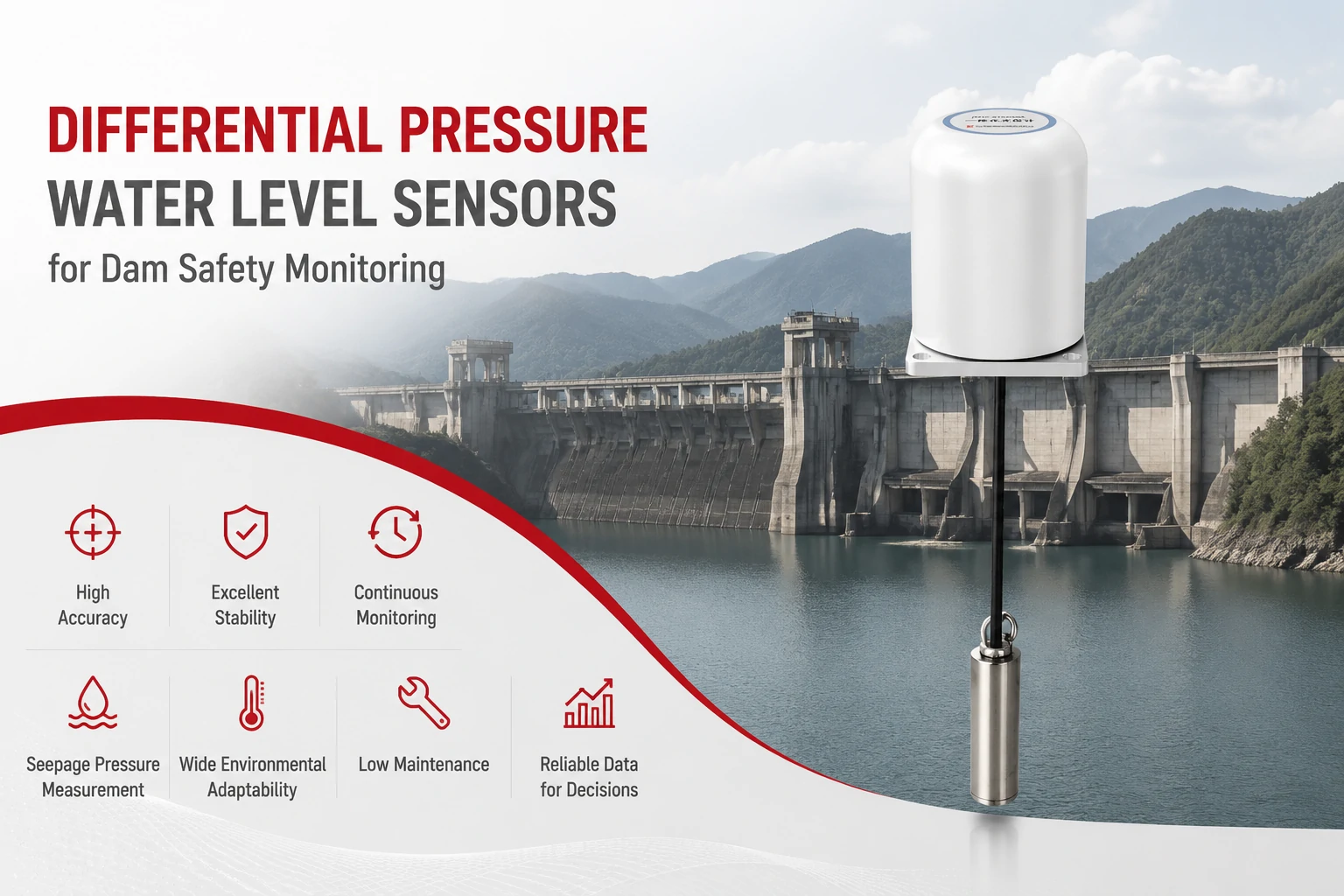
Key Takeaways The strongest fit is usually a confined, submerged, or s...
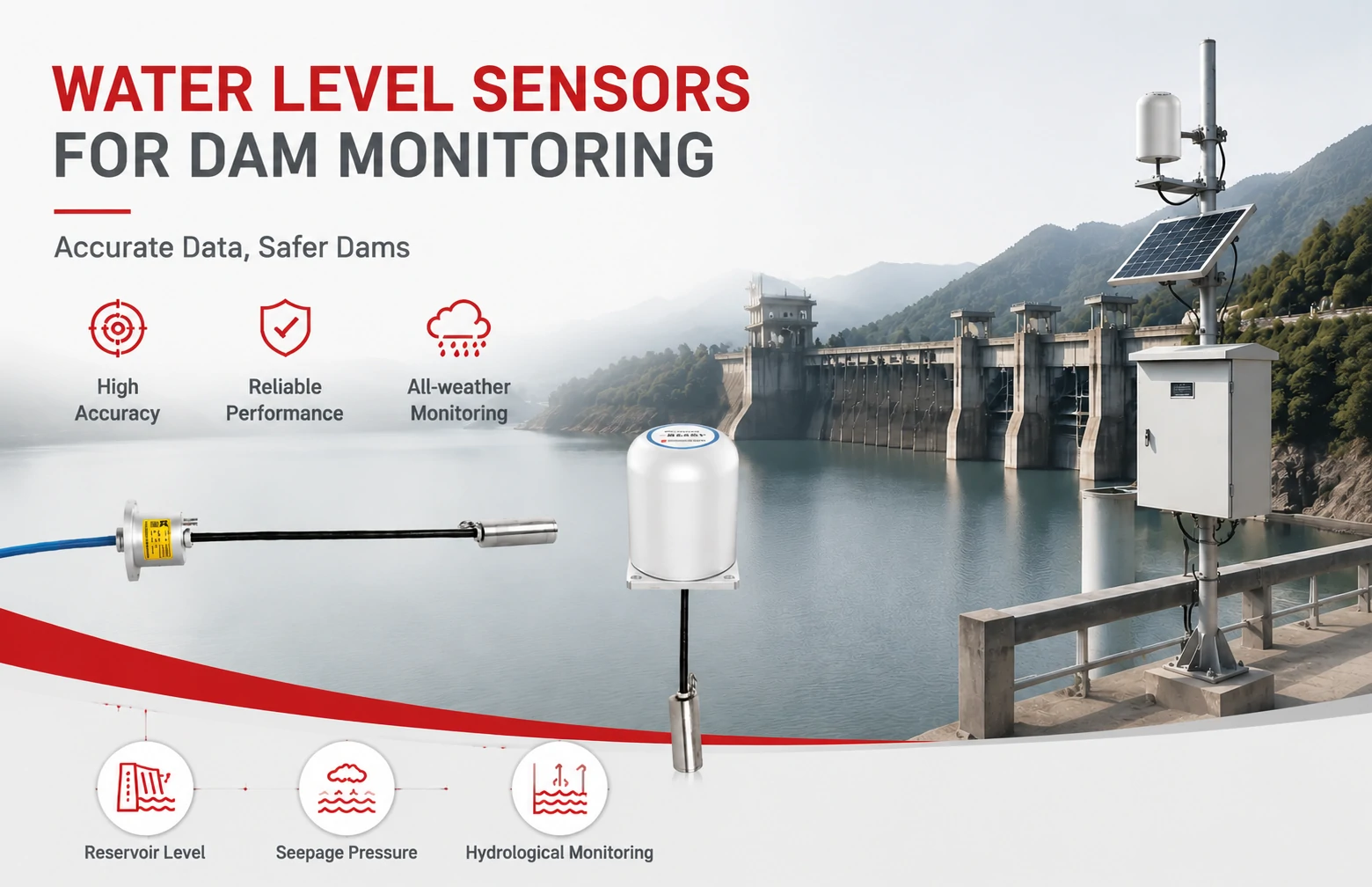
Kingmach Water Level Sensors for Dam Monitoring: A Buyer's Guide to Differential Pre...
Products
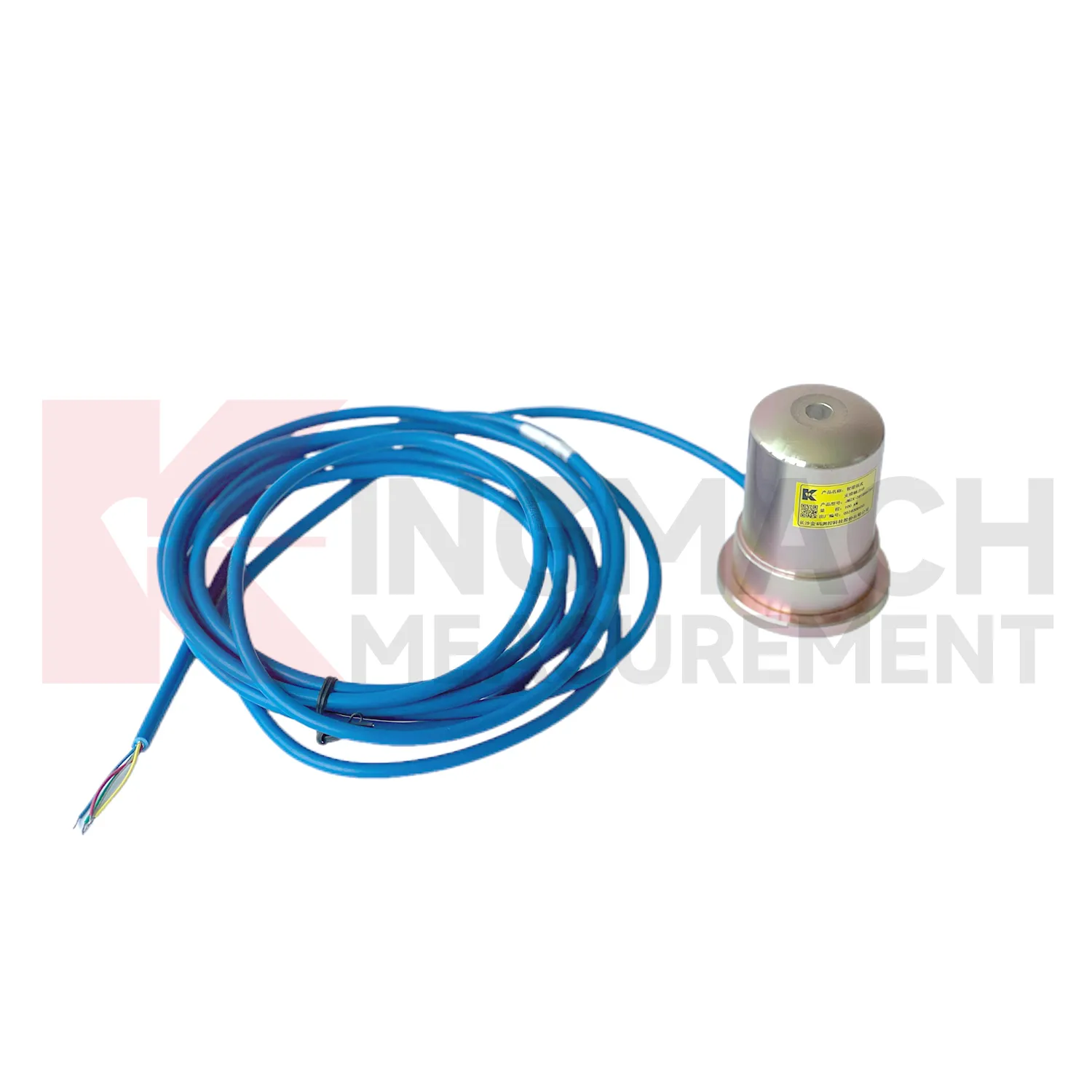
Smart Formwork Axial Force Meter(VW)JMZX-39XXHAT
View Details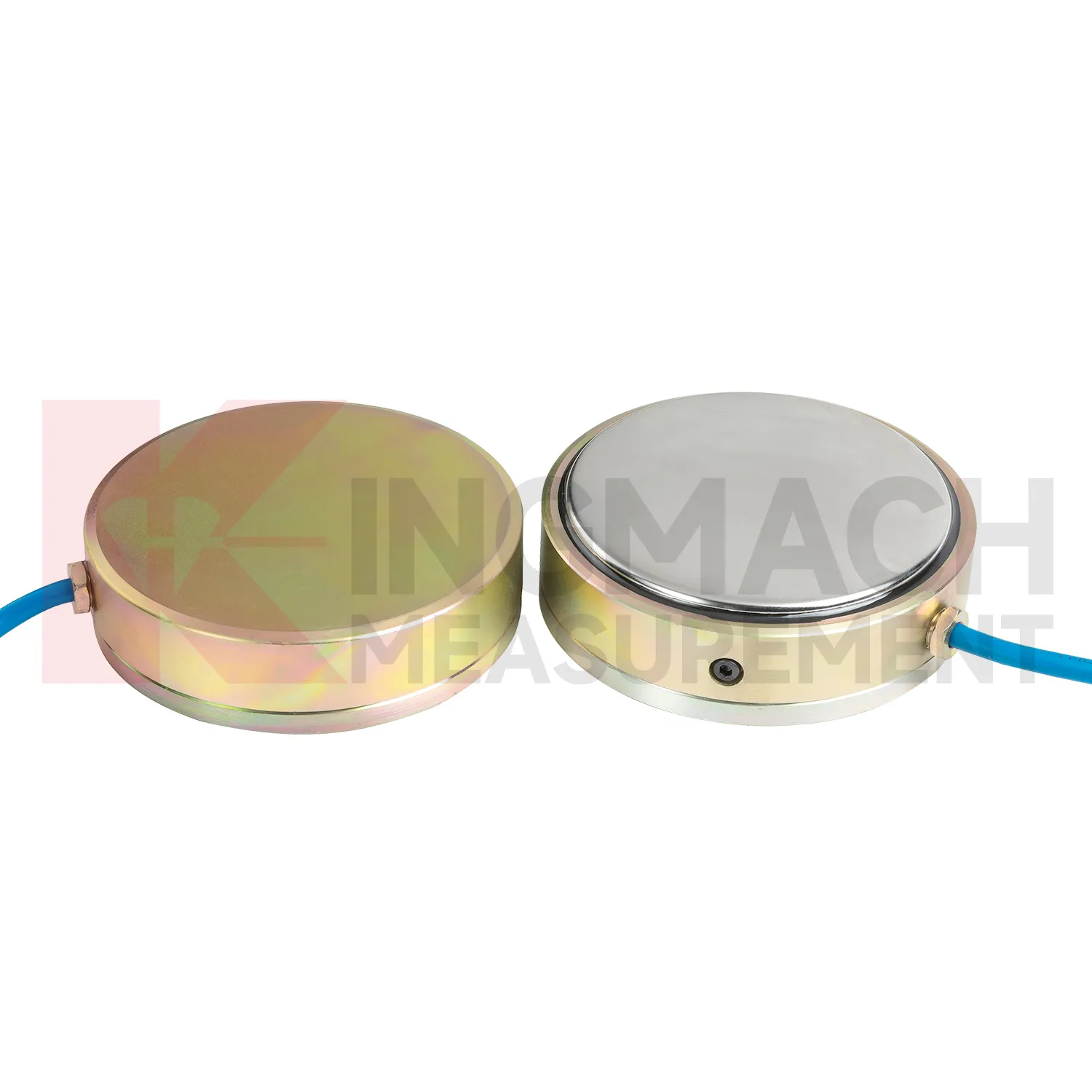
Large Earth Pressure Cell ( VW & Smart Type) JMZX-51XXAT/ ATM
View Details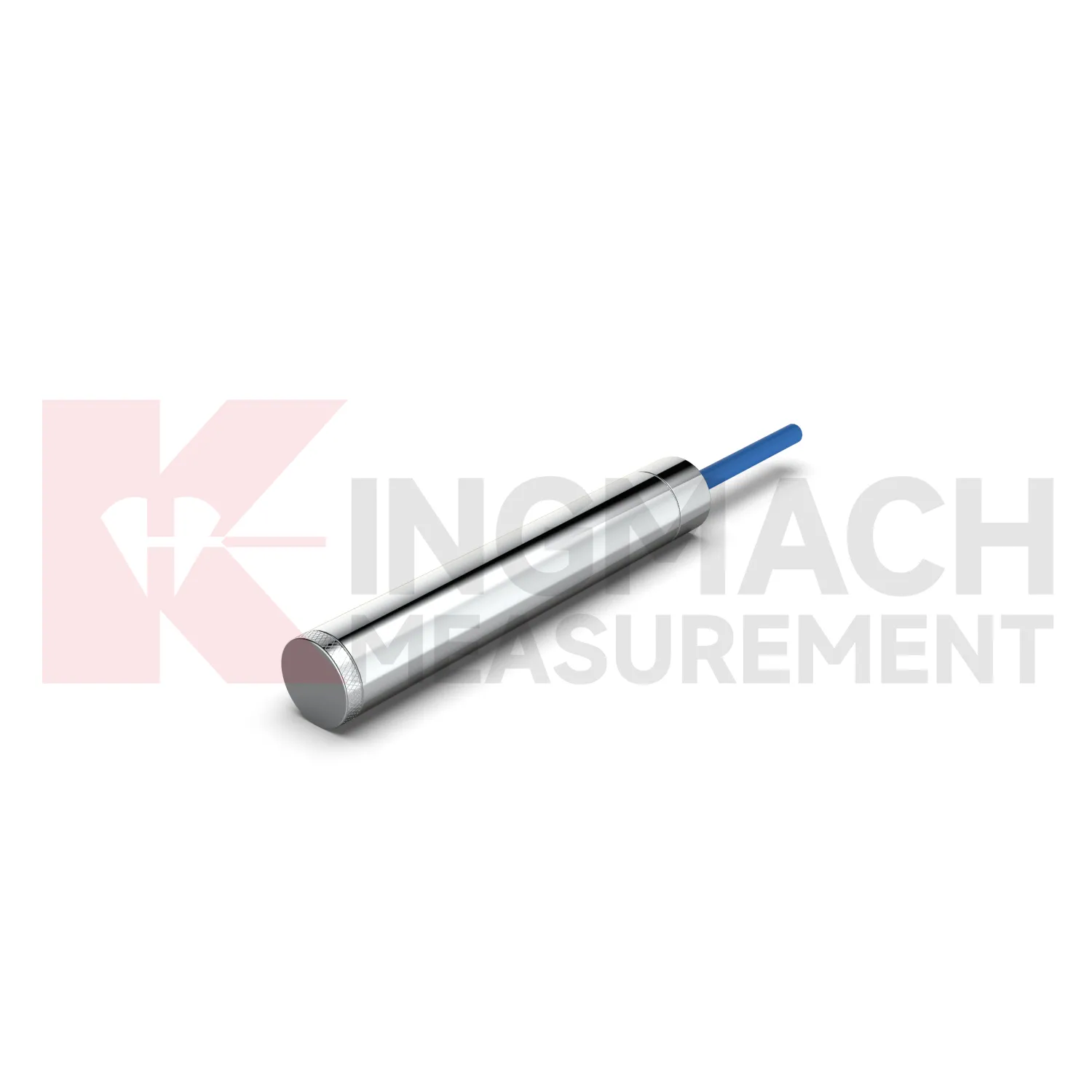
Smart Vibrating Wire PiezometerSmart Piezometers (VW) JMZX-55XXHAT
View DetailsFAQ
Instead of two separate installations and cable runs, you get strain and load from one sensor. This cuts installation time and reduces failure points in exposed environments like tunnels or dam galleries. The data sets naturally correlate because the measurements share the same timestamp.
Most configurations are compression-only to keep the design simple and cost-effective. Tension-compression versions are possible but need additional mechanical linkages. The engineering team can evaluate your application to determine which arrangement fits the structural member and required load path.
Gauge length should match the heterogeneity of the material. For concrete, 150 mm to 300 mm is common; for steel, 6 mm to 30 mm is sufficient. Kingmach can supply sensors with different gauge lengths based on the rebar spacing or aggregate size you specify.
Standard outputs are 4–20 mA, mV/V, and RS485. They work with most Campbell Scientific, Geokon, and daq modules like DT80. Custom signal scaling and connector pinouts are possible if your logger has specific requirements.
You get remote commissioning assistance, wiring diagrams for your logger, and a 2-year warranty. In case of drift or damage, the distributor network can often swap a sensor within a week. The factory also offers recalibration and repair if the sensor needs a longer-term refurb.
Share your product type, target capacity, and application requirements. Our team can review the details and recommend a practical next step.
If you are interested in our products or want to become our partner.
Please leave your contact information, our team will contact you as soon as possible.
Mail: [email protected]
Contact Us: +8613808434127
Address: No. 188 Tongzipo West Rd, Changsha, Hunan, China