
 EN
EN
 ar
ar bg
bg hr
hr cs
cs da
da nl
nl fi
fi fr
fr de
de el
el hi
hi it
it ko
ko no
no pl
pl pt
pt ro
ro ru
ru es
es sv
sv tl
tl iw
iw id
id lv
lv lt
lt sr
sr sk
sk sl
sl uk
uk vi
vi et
et hu
hu th
th tr
tr fa
fa ms
ms hy
hy ka
ka ur
ur bn
bn mn
mn ta
ta kk
kk uz
uz ku
ku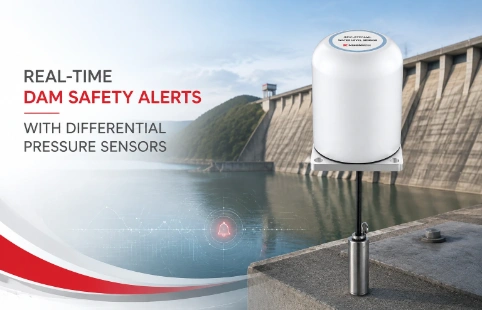
Real-Time Dam Safety Alerts with Differential Pressure Water Level Sensors
Key Takeaways An alert chain needs more than a sensor: define field in...

Strain Gauge Weight Sensors for Industrial Weighing
When a hopper scale drifts or a tank level reading seems off, the issue often traces back to the weight sensor. Strain gauge weight sensors remain the workhorse in these applications, converting load into a measurable electrical signal. At Kingmach, we build these sensors for both standard industrial weighing and the tougher demands of geotechnical monitoring—where they might sit in a borehole or under a bridge bearing for years. Our approach is to treat every sensor as part of a larger measurement chain, ensuring stable output and straightforward integration with data loggers or PLCs.
Technical Detail
A strain gauge weight sensor uses bonded foil gauges to detect minute deformations in a metal element under load. The electrical resistance change is proportional to weight, giving a linear, repeatable output. Most industrial sensors of this type use nickel-plated alloy steel or stainless steel, with IP65 to IP68 protection depending on the seal design. Output is typically 2 mV/V or 3 mV/V, and accuracy can reach C3 or C4 classes for legal-for-trade applications. Kingmach supplies sensors with capacities from a few kilograms to hundreds of tonnes, covering platform scales, silo weighing, and onboard vehicle systems. We also offer custom variants: extended temperature compensation, different cable lengths, or mounting adapters to fit existing structures. Because our background includes geotechnical instrumentation, we pay extra attention to long-term zero stability and moisture ingress protection. Every sensor is calibrated on a traceable reference, and we provide wiring diagrams and commissioning support. Our distribution network can handle urgent replacements, and we hold common models in stock for quick shipment.
News
Key Takeaways An alert chain needs more than a sensor: define field in...
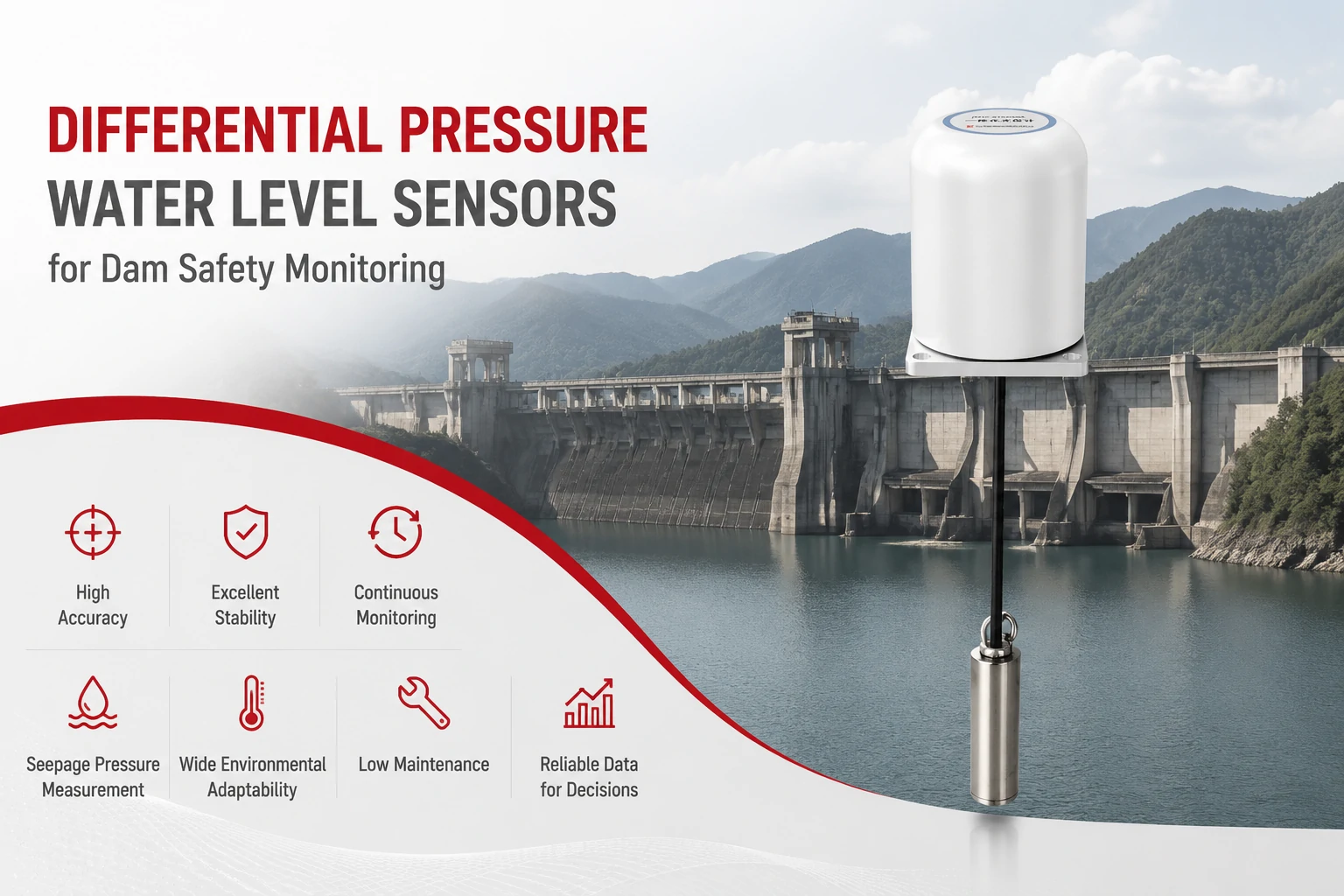
Key Takeaways The strongest fit is usually a confined, submerged, or s...
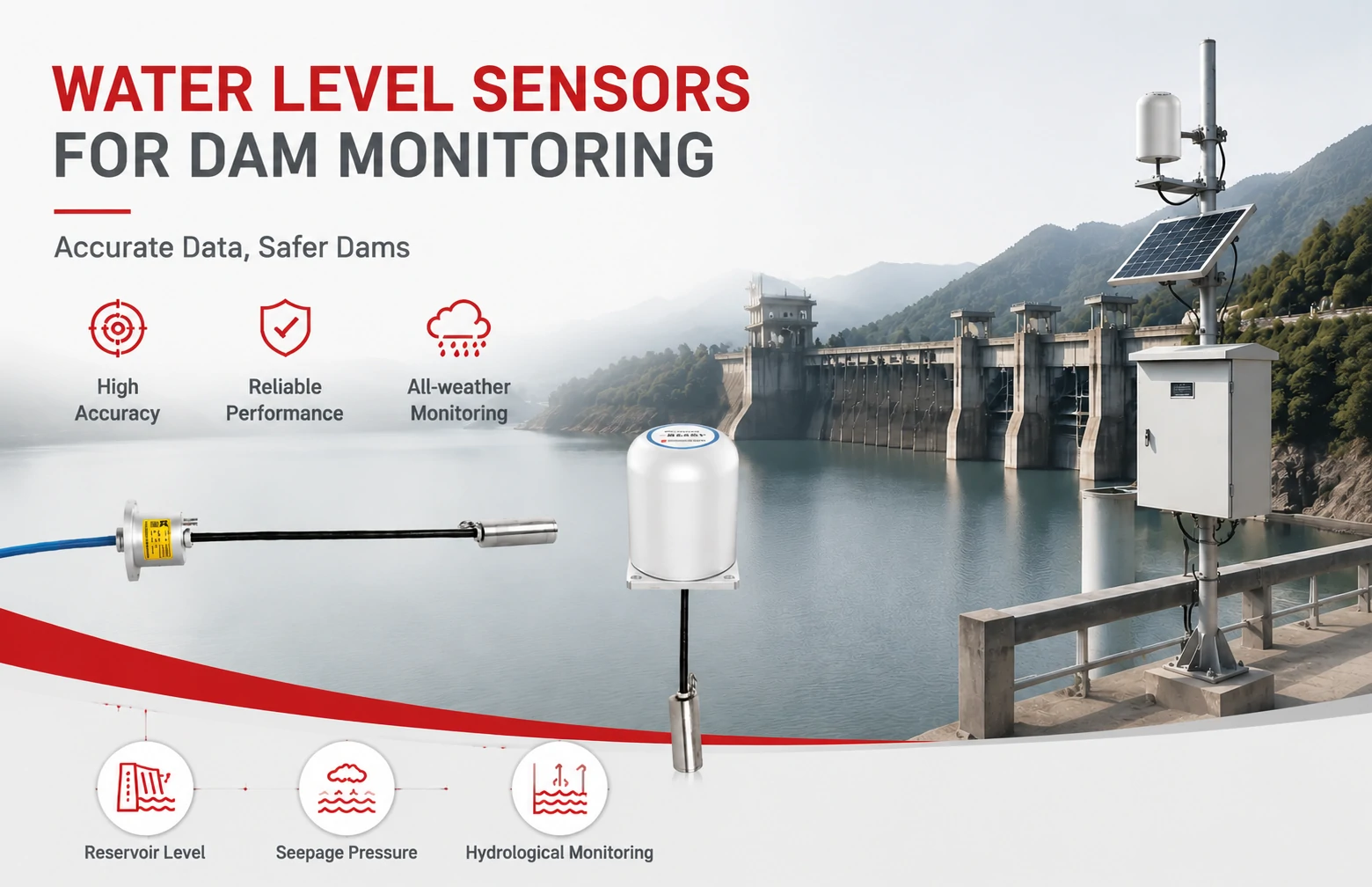
Kingmach Water Level Sensors for Dam Monitoring: A Buyer's Guide to Differential Pre...
Products
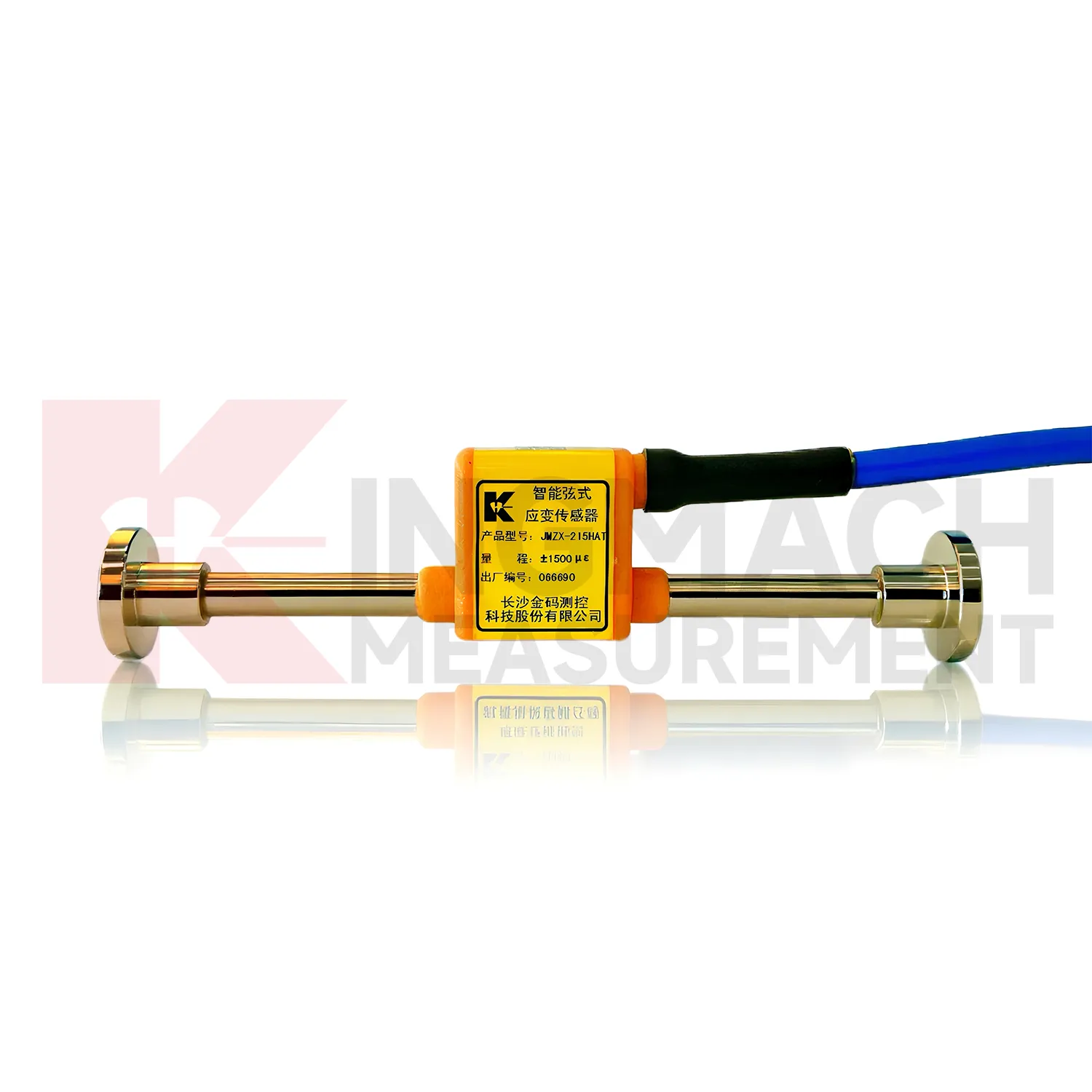
Smart vibrating wire strain gauge (embedment model) JMZX-215HA/215HAT/HB
View Details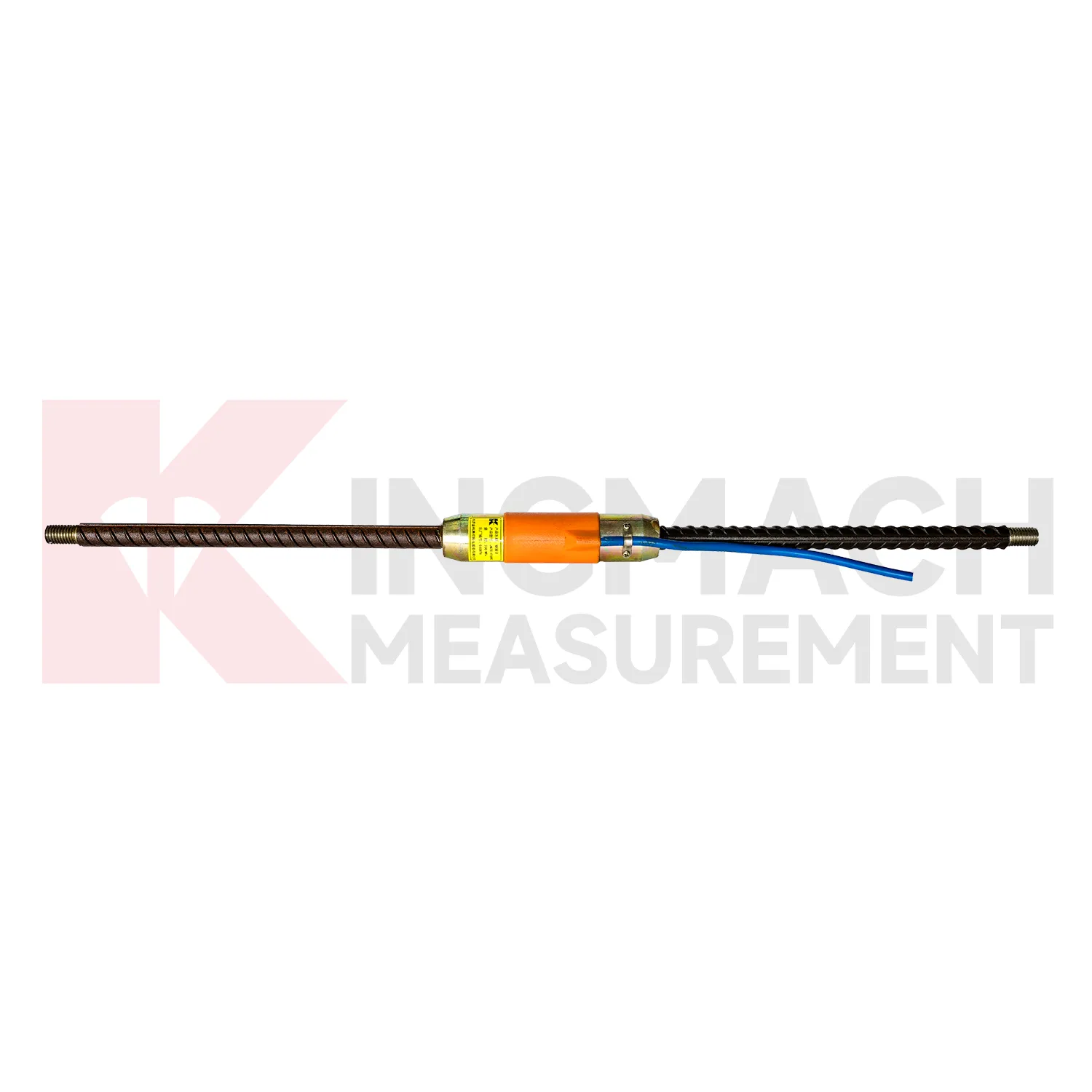
Rebar Strainmeters ( VW & Smart Type) JMZX-4XXHAT/HB
View Details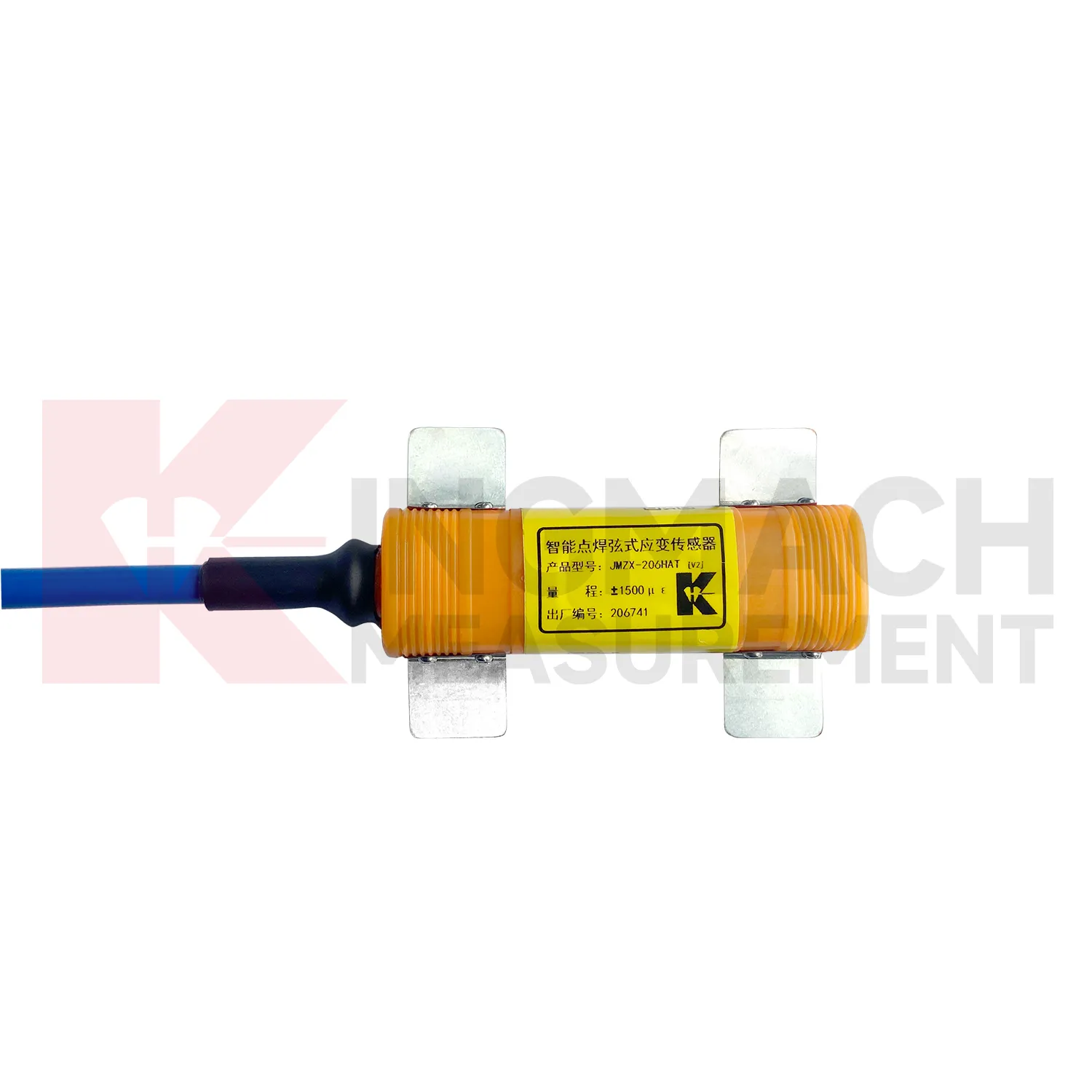
Smart vibrating wire strain gauge (surface welded model) JMZX-206HAT
View DetailsFAQ
It is a load-measuring device that uses electrical resistance strain gauges bonded to a metal spring element. When weight is applied, the element deforms slightly, changing the resistance of the gauges. A Wheatstone bridge circuit converts this change into a voltage proportional to the load. Most sensors are temperature-compensated and calibrated to output a standard signal, like 2 mV/V.
Yes, we customize sensors regularly. Modifications can include altered bolt patterns, integrated mounting plates, special cable exits, or unique capacity ranges. We ask for a drawing or application details, then propose a design. Lead time depends on the complexity, but standard customizations often ship within 3–4 weeks.
Temperature changes can shift zero and sensitivity, but compensated gauges minimize this. Moisture and corrosion are bigger risks; we use stainless steel and welded seals for harsh conditions, achieving IP67 or IP68 ratings. For outdoor silos or marine environments, we recommend additional protective coatings or bellows seals.
We provide wiring guidance, calibration services, and troubleshooting remotely. For larger projects, we can arrange on-site commissioning or training. Since we design and manufacture in-house, our engineers have access to full test data and can help diagnose issues quickly.
It depends on the mechanical arrangement. Shear beam sensors suit platform scales and low-profile installations because they resist side loads. Compression sensors are better for vertical loads on a single point, like tank feet or hopper legs. We can recommend based on your structural constraints, and we supply both types.
Share your product type, target capacity, and application requirements. Our team can review the details and recommend a practical next step.
Related Keywords
If you are interested in our products or want to become our partner.
Please leave your contact information, our team will contact you as soon as possible.
Mail: [email protected]
Contact Us: +8613808434127
Address: No. 188 Tongzipo West Rd, Changsha, Hunan, China