
 EN
EN
 ar
ar bg
bg hr
hr cs
cs da
da nl
nl fi
fi fr
fr de
de el
el hi
hi it
it ko
ko no
no pl
pl pt
pt ro
ro ru
ru es
es sv
sv tl
tl iw
iw id
id lv
lv lt
lt sr
sr sk
sk sl
sl uk
uk vi
vi et
et hu
hu th
th tr
tr fa
fa ms
ms hy
hy ka
ka ur
ur bn
bn mn
mn ta
ta kk
kk uz
uz ku
ku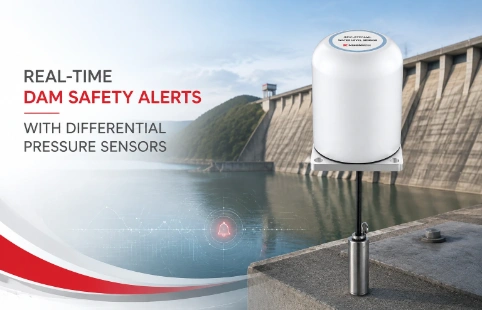
Real-Time Dam Safety Alerts with Differential Pressure Water Level Sensors
Key Takeaways An alert chain needs more than a sensor: define field in...

Single Axis Accelerometer Sensor: Field-Proven Monitoring
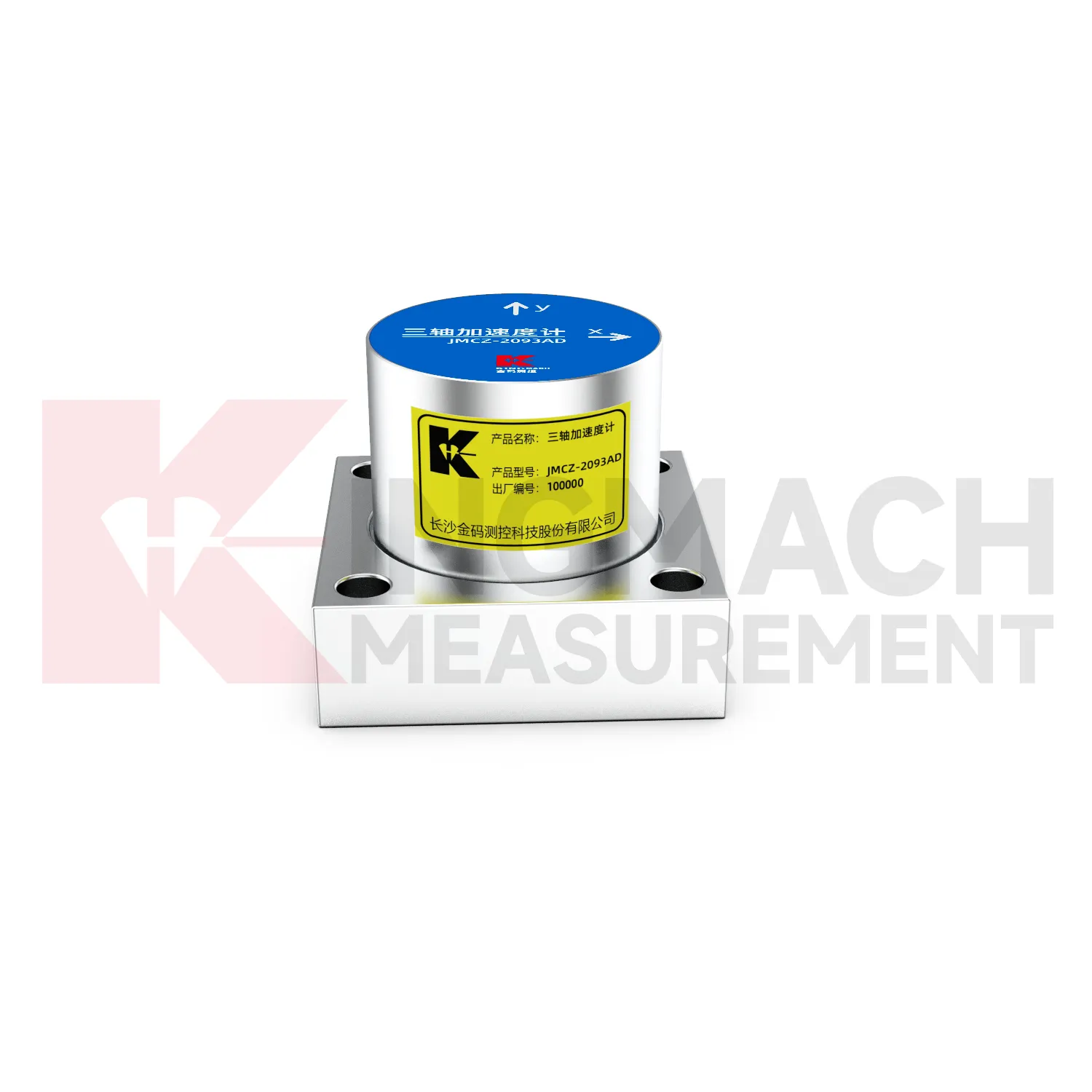
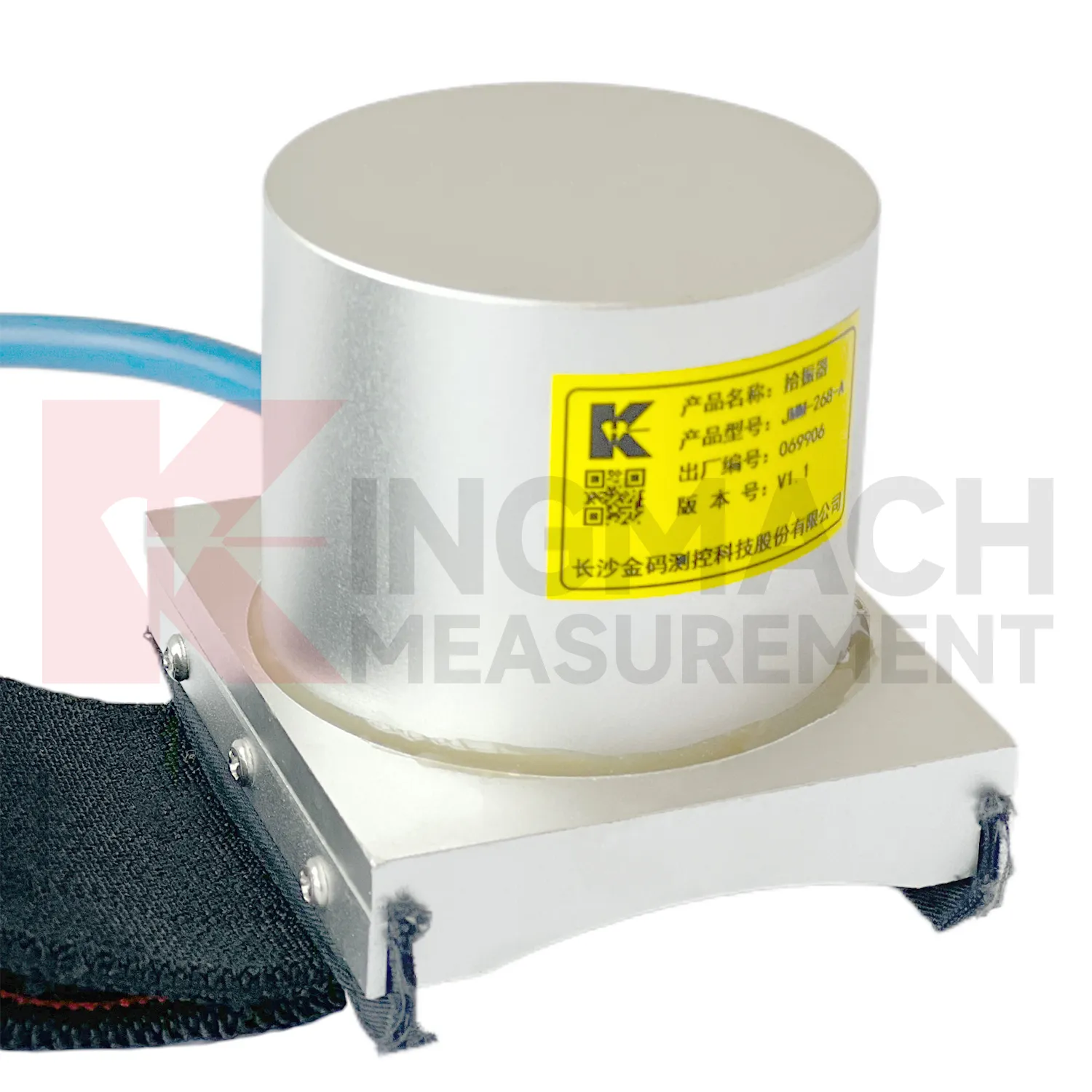
Monitoring vibration or tilt in a rock slope, tunnel, or machine foundation comes down to catching small movements before they escalate. A single axis accelerometer sensor zeroes in on one direction of motion, cutting through noise that distracts multi-axis setups. Kingmach builds these sensors for field engineers who need dependable numbers day after day – not just lab specs. The range runs from compact MEMS-based units to sturdy piezoelectric models, each tuned for real-world conditions where dust, moisture, and temperature swings are part of the job. Instead of chasing buzzwords, we focus on what works: stable bias, low cross-axis talk, and output that doesn’t drift when the weather turns. Customization comes standard because no two sites are alike. Whether it’s bolting a sensor to a bridge pier or embedding it in concrete, Kingmach helps you get the signal you need without the guesswork.
Technical Detail
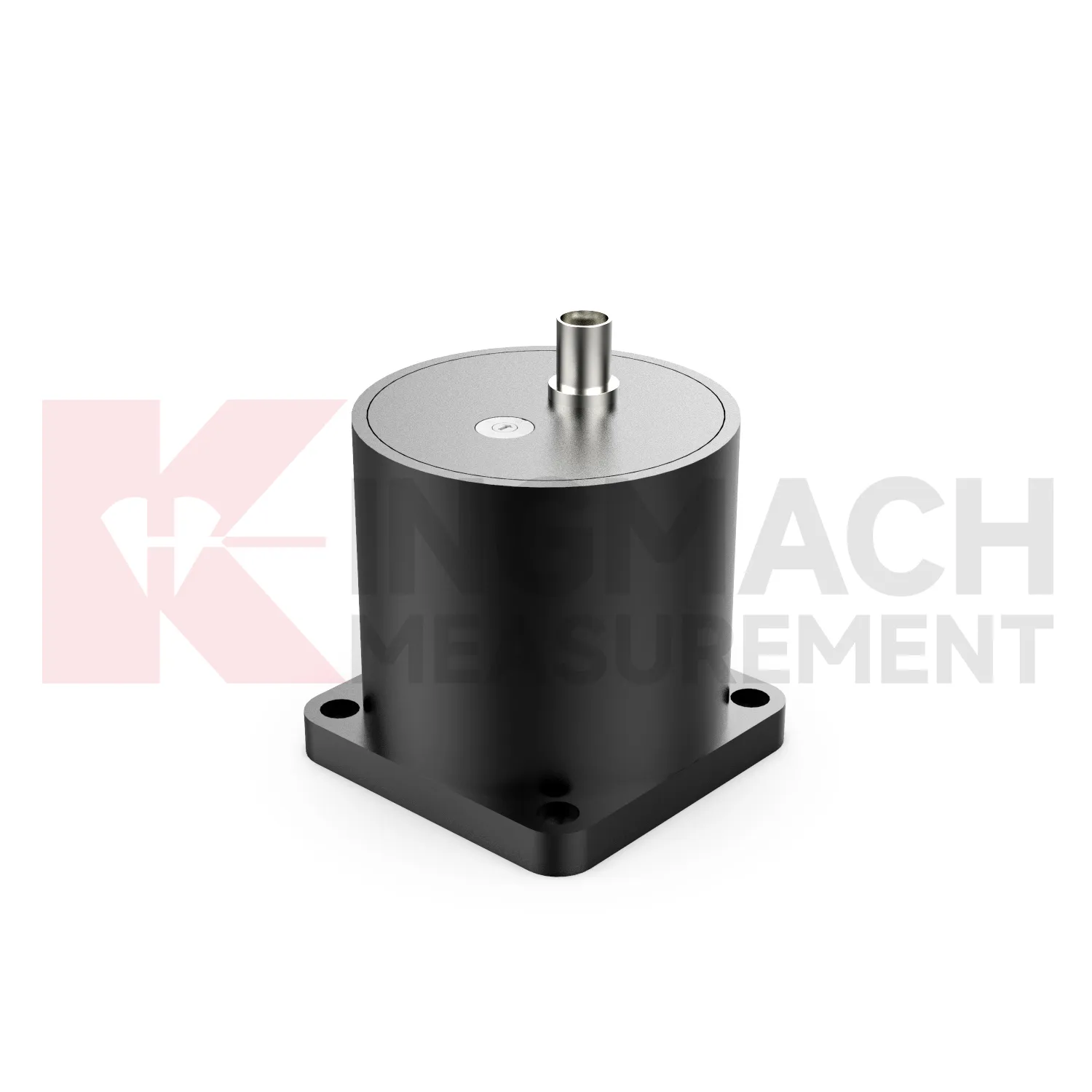
Kingmach Measurement & Monitoring Technology Co., Ltd. produces single axis accelerometer sensors as a core part of its geotechnical instrumentation line. The company’s background in distributed monitoring – from dam safety to deep excavation projects – shapes how these sensors are designed. Rather than selling a one-size-fits-all component, Kingmach builds each unit to match the measurement range, frequency bandwidth, and output format the project demands. Common outputs include voltage (mV/g), current (4-20 mA), and digital (RS-485, CAN), making integration with existing data loggers straightforward. Housings are typically stainless steel or anodized aluminum, sealed against IP67 or higher, and fitted with mounting studs or flanges for solid contact. While a single axis accelerometer sensor captures motion in one plane, this simplicity often means easier calibration and lower cost in applications where multi-axis data is unnecessary. Kingmach stocks standard models for quick delivery and offers custom modifications: cable length, connector type, filtering, and temperature compensation ranges can all be adjusted. The sensors find use in pile driving tests, machinery vibration monitoring, seismic monitoring networks, and tilt monitoring for retaining walls. Technical support is provided locally through a global distributor network, and each shipment includes calibration certificates traceable to national standards.
News
Key Takeaways An alert chain needs more than a sensor: define field in...
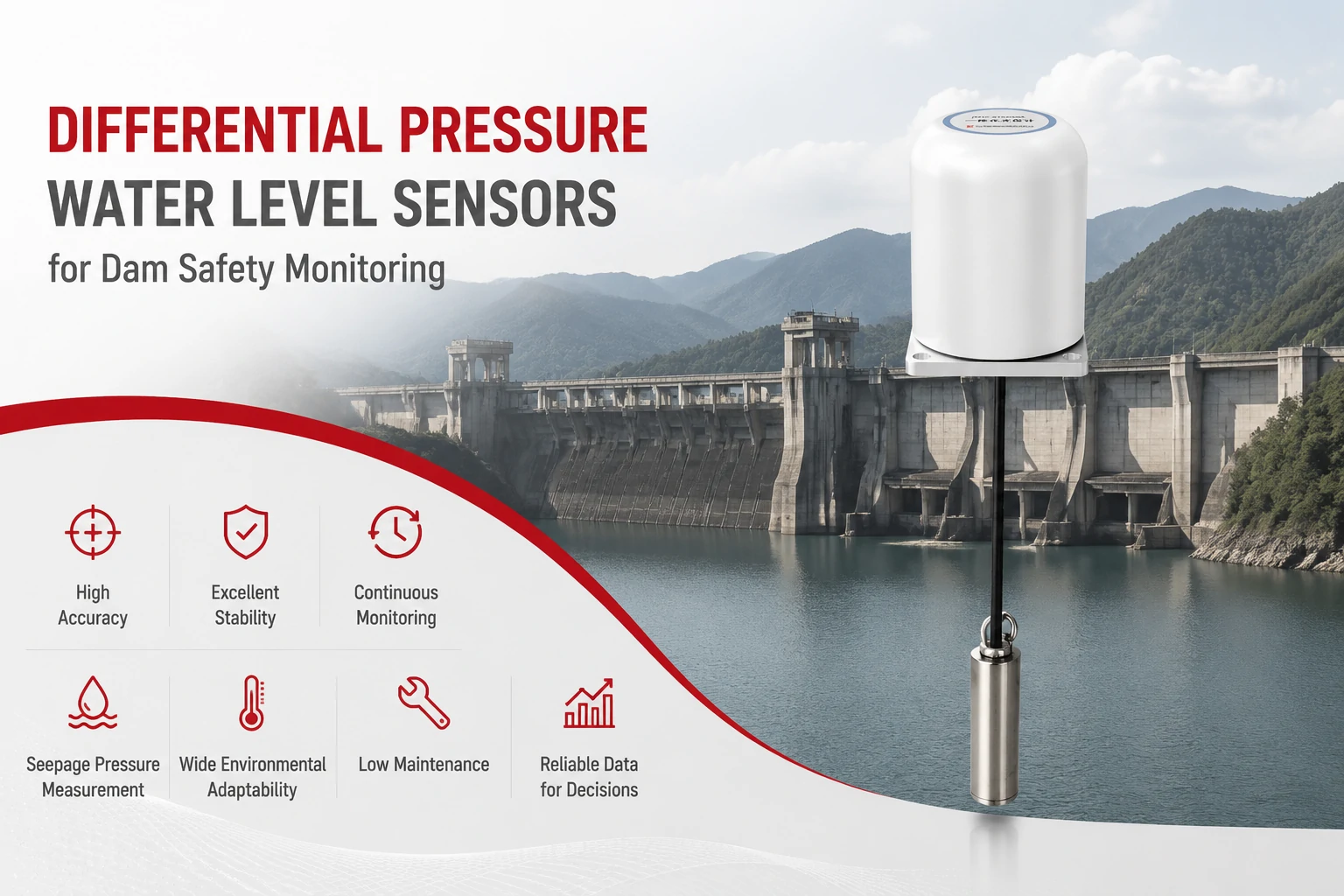
Key Takeaways The strongest fit is usually a confined, submerged, or s...
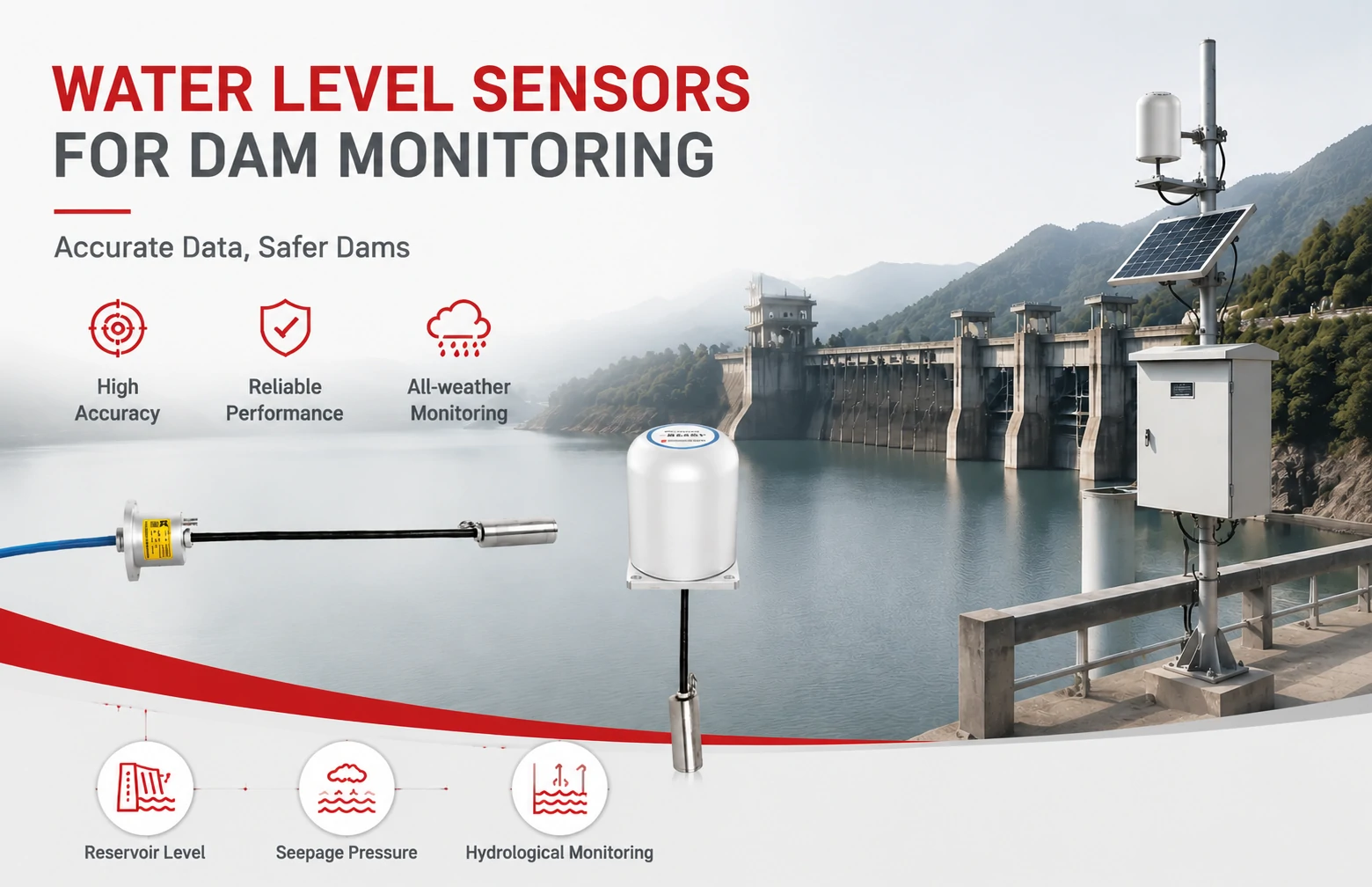
Kingmach Water Level Sensors for Dam Monitoring: A Buyer's Guide to Differential Pre...
Products
FAQ
A single axis sensor measures acceleration along only one direction, typically the primary axis of interest – vertical for vibration in a pile cap, or horizontal for tilt. Triaxial sensors capture three orthogonal axes simultaneously. For many geotechnical tasks, monitoring the dominant axis is sufficient, and single axis units simplify cabling, data processing, and cost.
Most sensors use a threaded stud on the base, which threads into a mounting block or directly into the structure. Adhesive mounting pads, magnetic bases, and bolt-on flanges are also common. The key is a stiff, flat surface to avoid resonance that distorts high-frequency readings. Kingmach can provide custom mounting fixtures for concrete, steel, or rock.
Yes, Kingmach’s standard housings are sealed to at least IP67. For submerged or high-pressure environments, we offer IP68 options with reinforced cable glands. The sealing protects against rain, dust, and splashes, but we recommend using a protective cover in areas with direct sunlight or ice buildup.
We offer mV/g analog voltage, 4-20 mA current loop for long cable runs, and digital interfaces like RS-485 (Modbus) or CAN bus. Custom signal conditioning – such as IEPE (ICP®-type) – is also available. This flexibility means you can match the sensor to your logger without extra signal converters.
Contact Kingmach with your requirements: measurement range (±g), frequency response, operating temperature, cable length, and connector type. Our engineering team will propose a variant based on our standard platforms, and lead times for custom units are typically discussed during quotation. Small batches are welcome.
Share your product type, target capacity, and application requirements. Our team can review the details and recommend a practical next step.
If you are interested in our products or want to become our partner.
Please leave your contact information, our team will contact you as soon as possible.
Mail: [email protected]
Contact Us: +8613808434127
Address: No. 188 Tongzipo West Rd, Changsha, Hunan, China