
 EN
EN
 ar
ar bg
bg hr
hr cs
cs da
da nl
nl fi
fi fr
fr de
de el
el hi
hi it
it ko
ko no
no pl
pl pt
pt ro
ro ru
ru es
es sv
sv tl
tl iw
iw id
id lv
lv lt
lt sr
sr sk
sk sl
sl uk
uk vi
vi et
et hu
hu th
th tr
tr fa
fa ms
ms hy
hy ka
ka ur
ur bn
bn mn
mn ta
ta kk
kk uz
uz ku
ku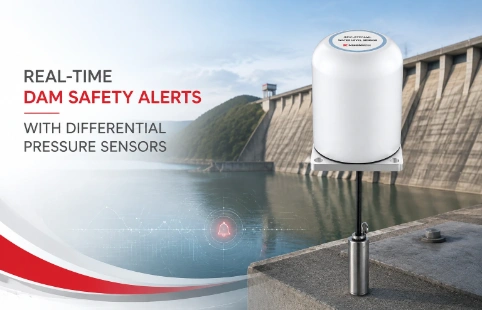
Real-Time Dam Safety Alerts with Differential Pressure Water Level Sensors
Key Takeaways An alert chain needs more than a sensor: define field in...

Strain Gauge Sensors Built for Real-World Monitoring
Strain gauge sensors don’t make headlines until something fails. A bridge girder, a tunnel lining, a retaining wall—these structures bend and shift every day. Measuring that strain tells you when things are still safe. At Kingmach, our strain gauge sensors have been helping engineers track those tiny movements since 2008. Nothing complicated. Just a foil strain gauge bonded to a stainless steel body, wired up and sealed against water. We sell to distributors and integrators in over 30 countries, so you’ll probably find our sensors buried in concrete or spot-welded to steel on some project nearby. The specs vary—ranges from a few hundred microstrain to a few thousand, lengths from 150mm to over a meter, and custom requests come through almost every week.
Technical Detail
How we build them: The sensing core is a half-bridge foil gauge—proven, repeatable, and cheap enough to deploy in arrays. The gauge is bonded to a stainless steel arc-weldable carrier or an embedment tube, depending on whether you’re welding it to a pile or casting it into concrete. Temperature compensation circuits keep the baseline from drifting when the sun hits the structure. Typical specs: gauge length 150mm, range ±1500 με, IP68 with a pigtail cable exiting through an epoxy-sealed end cap. We also do full-bridge versions for better noise rejection, and longer ranges up to 3000 με on request. Kingmach operates in the mid-range segment—meaning you get stainless steel housings and European calibration lab reports without the lab-grade markup. Custom lead time is around 2–3 weeks, and we ship from stock in Shenzhen. Technical support is handled by engineers who’ve actually installed these on dams and high-speed rail projects, so the advice isn’t just from a manual.
News
Key Takeaways An alert chain needs more than a sensor: define field in...
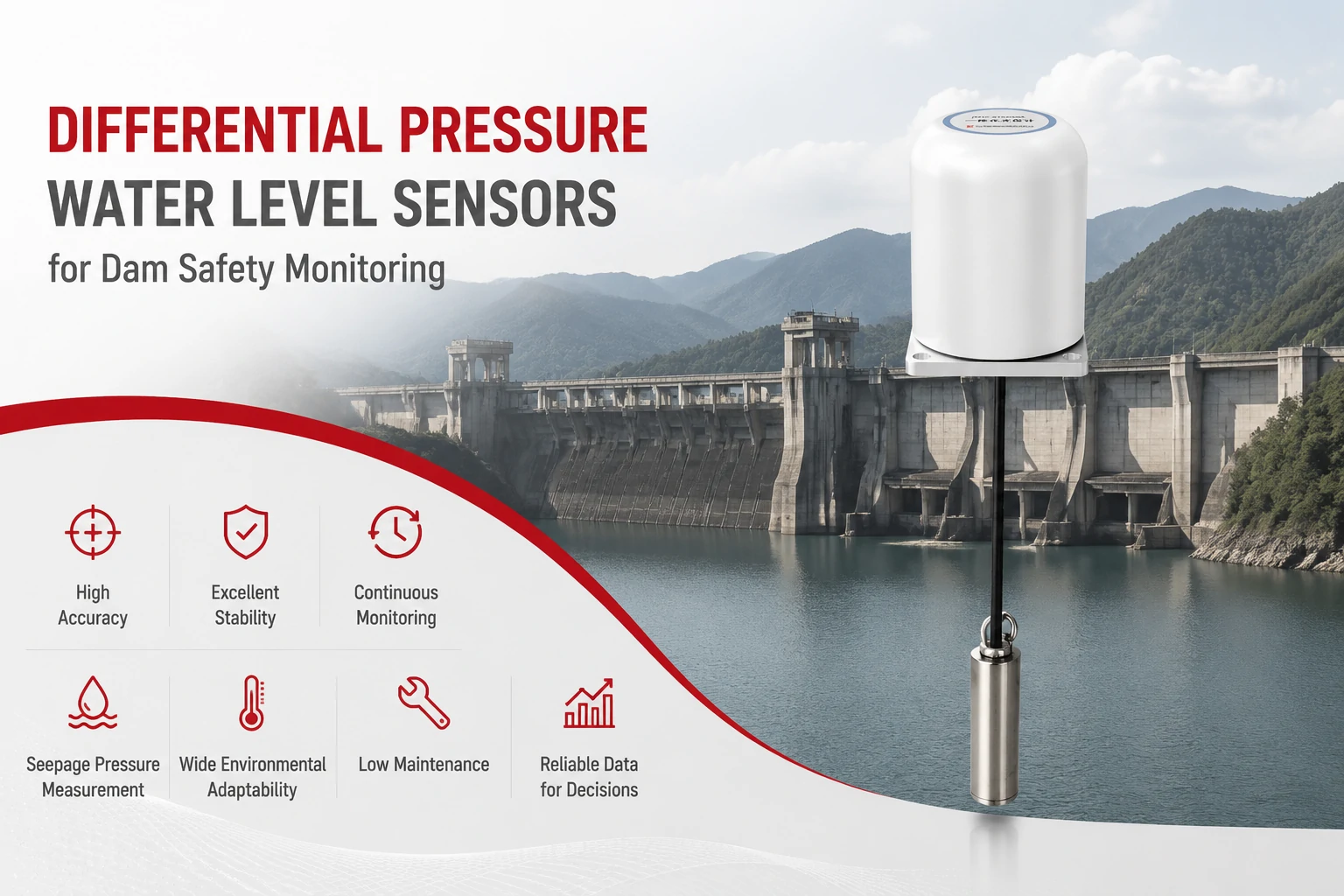
Key Takeaways The strongest fit is usually a confined, submerged, or s...
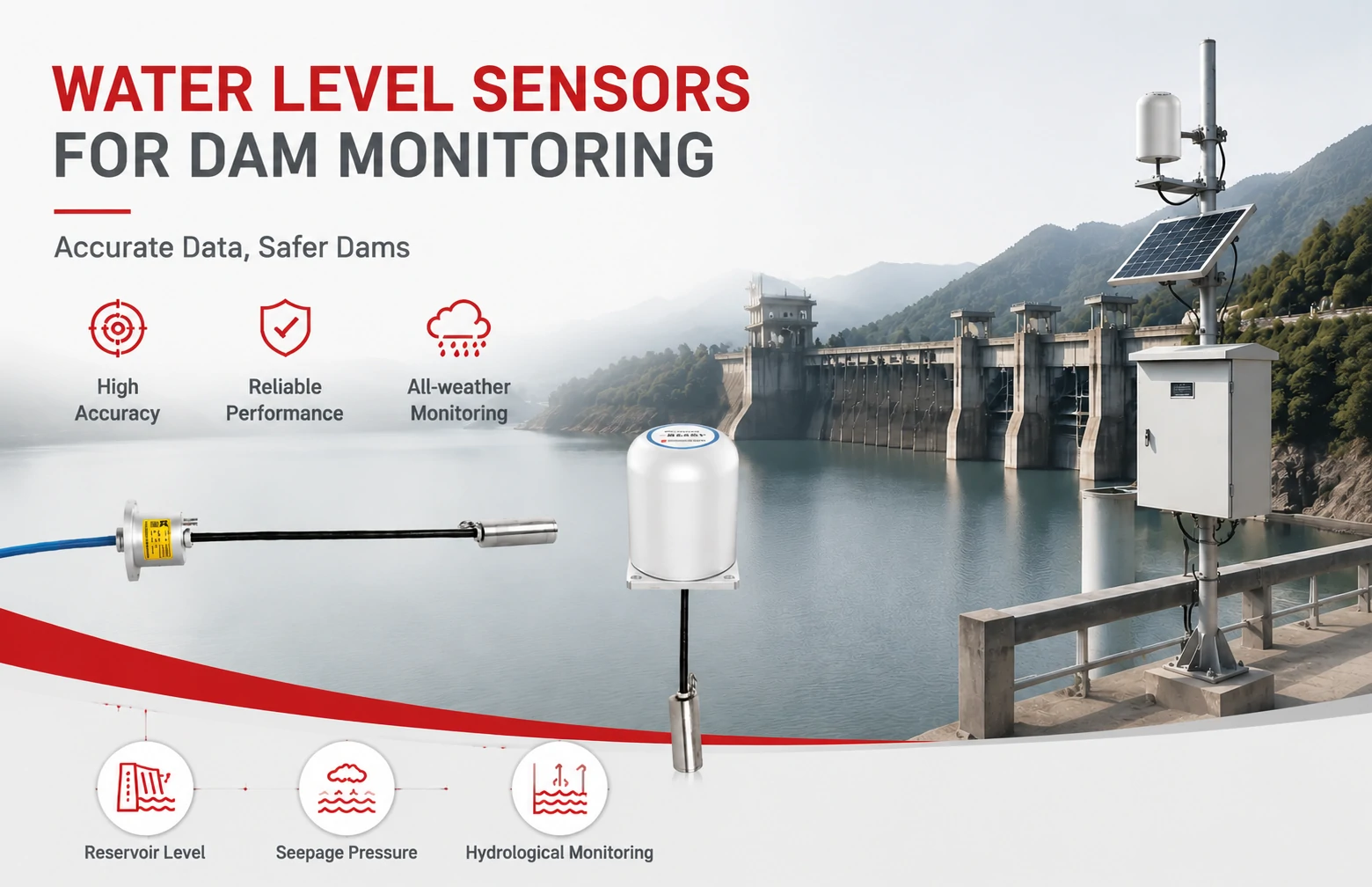
Kingmach Water Level Sensors for Dam Monitoring: A Buyer's Guide to Differential Pre...
Products
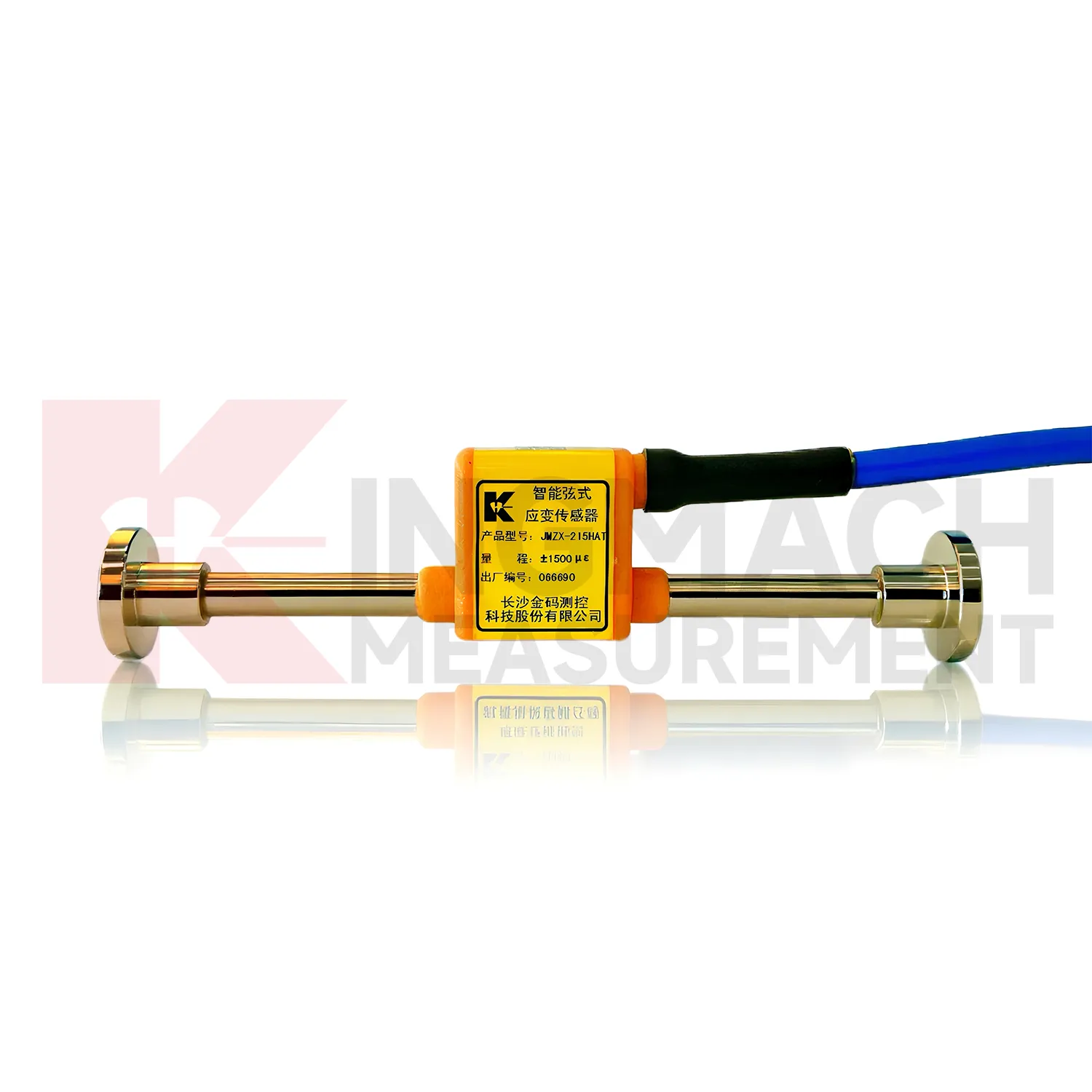
Smart vibrating wire strain gauge (embedment model) JMZX-215HA/215HAT/HB
View Details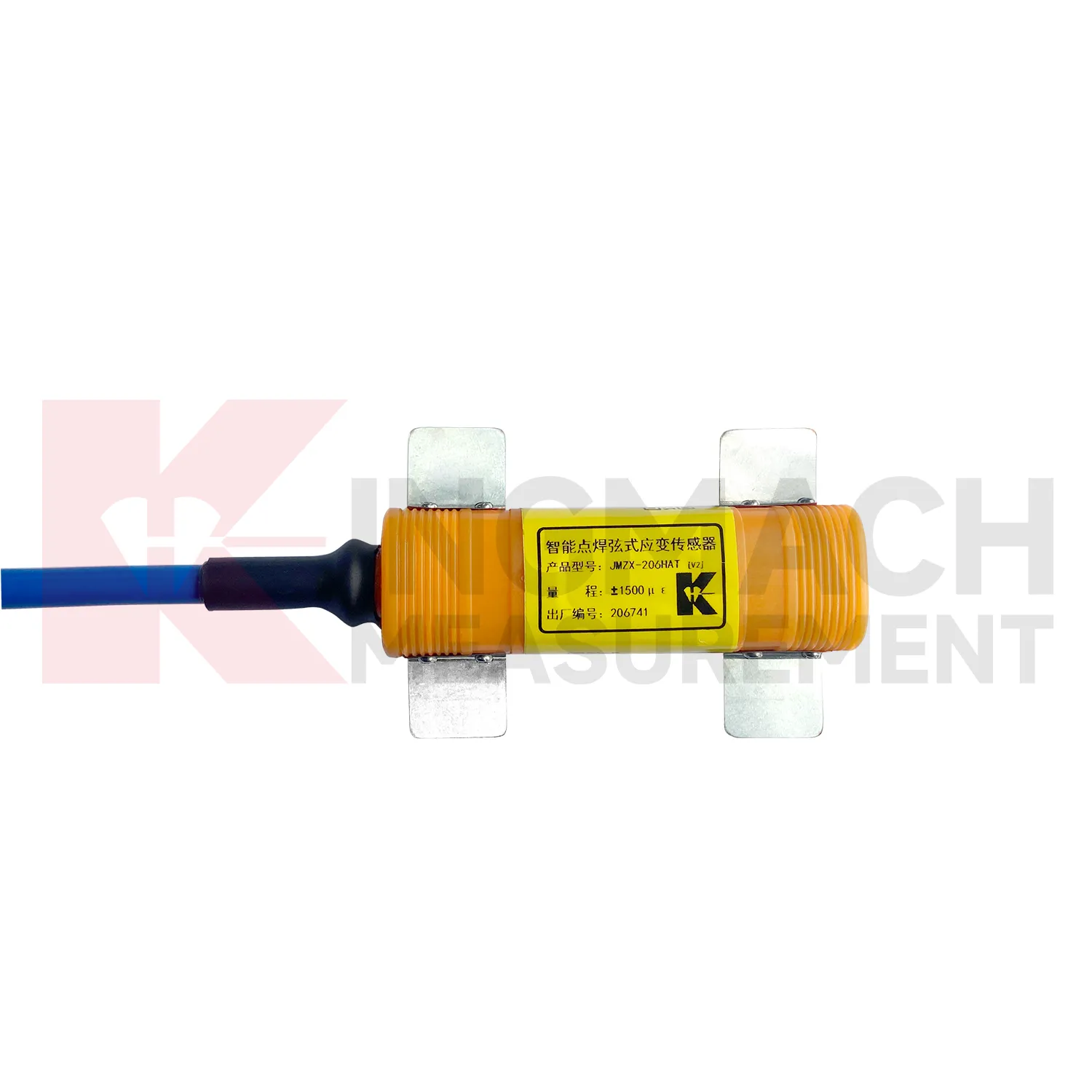
Smart vibrating wire strain gauge (surface welded model) JMZX-206HAT
View Details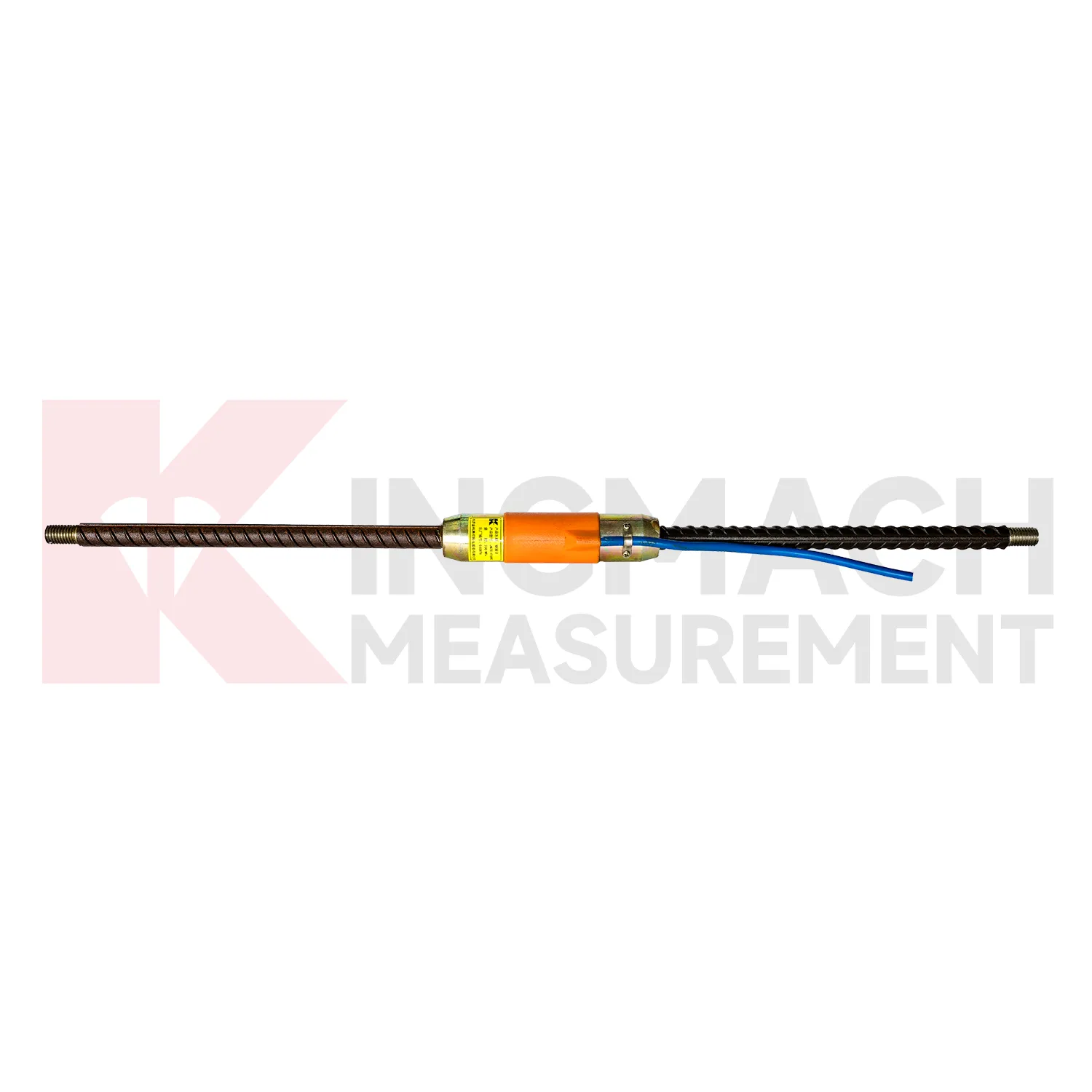
Rebar Strainmeters ( VW & Smart Type) JMZX-4XXHAT/HB
View DetailsFAQ
It almost always comes down to the surface material. Weld-on sensors go directly onto steel structures—piles, beams, pipes. You spot-weld the end blocks and the sensor sits flush against the metal. Embedment gauges are built into concrete or grout; they have flanges or deformed rebar bodies so the concrete grips them. If you’re monitoring strain in a cast-in-place pile, you’ll need embedment. If you’re measuring stress in a steel strut, go with weld-on.
Most of our sensors output a full or half Wheatstone bridge, so any datalogger that accepts bridge inputs works—like Campbell Scientific or Geokon readouts. We also bundle our sensors with a compact wireless node that does the bridge completion and transmits via LoRa or 4G. You’ll get microstrain directly, no manual calculations.
Yes. Temperature compensation is standard from -20°C to +80°C, but if you’re monitoring a freezer warehouse or a desert bridge, we can shift the calibration window. We’ll run it through a thermal chamber and provide the correction coefficients.
The stainless steel body and epoxy potting hold up well. We have sensors still reading stable after 10 years on a coastal bridge in Malaysia—only the cable jacket needed replacement from UV damage. For long-term projects, we recommend a secondary waterproofing wrap at the cable exit as cheap insurance.
We keep the 150mm standard range sensors in stock—both weld-on and embedment. You can order a few pieces for a pilot project. Large quantities or custom ranges get manufactured on demand, usually with a 2-week lead time.
Share your product type, target capacity, and application requirements. Our team can review the details and recommend a practical next step.
If you are interested in our products or want to become our partner.
Please leave your contact information, our team will contact you as soon as possible.
Mail: [email protected]
Contact Us: +8613808434127
Address: No. 188 Tongzipo West Rd, Changsha, Hunan, China