
 EN
EN
 ar
ar bg
bg hr
hr cs
cs da
da nl
nl fi
fi fr
fr de
de el
el hi
hi it
it ko
ko no
no pl
pl pt
pt ro
ro ru
ru es
es sv
sv tl
tl iw
iw id
id lv
lv lt
lt sr
sr sk
sk sl
sl uk
uk vi
vi et
et hu
hu th
th tr
tr fa
fa ms
ms hy
hy ka
ka ur
ur bn
bn mn
mn ta
ta kk
kk uz
uz ku
ku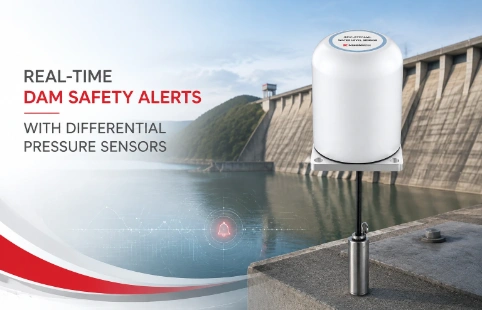
Real-Time Dam Safety Alerts with Differential Pressure Water Level Sensors
Key Takeaways An alert chain needs more than a sensor: define field in...

Sensor Load Cell Solutions That Fit Your Monitoring Setup
Finding a sensor load cell that actually works long-term in the field isn’t just about the specs on a datasheet. When you’re monitoring earth pressure behind a retaining wall or tracking anchor forces on a slope, small drift or moisture ingress can ruin months of data. Kingmach has spent years refining load cells specifically for geotechnical and structural monitoring, not as a side product but as the main focus. Our engineering team deals with the realities of buried sensors, long cable runs, and unpredictable site conditions. That means we are used to adapting standard designs—changing cable lengths, adjusting signal outputs, or sealing against high groundwater—so the sensor load cell you install matches what your data logger expects and what the environment demands. The result is less time troubleshooting in the field and more confidence in the numbers you report.
Technical Detail
A sensor load cell in geotechnical use rarely gets the clean, controlled conditions of a lab. It might be embedded in concrete, submerged temporarily, or left in highly corrosive soil for years. Kingmach builds its load cells with that in mind. The sensing elements are protected by multi-stage sealing and robust stainless steel housings, common choices for long-term monitoring jobs. Rather than offering a single one-size-fits-all model, we provide options that let you decide the capacity range, accuracy class, and output type—whether you need a simple mV/V signal for a manual readout or a digital output for automated data collection. Customization doesn’t stop at the electrical side. We also adjust mechanical dimensions and mounting accessories based on how you plan to install the sensor. This flexibility means the same sensor load cell platform can serve in a tunnel lining stress monitoring project, under a bridge bearing, or inside a deep excavation support system. Beyond the hardware, our global distribution setup and local technical partners help shorten lead times when you are on a tight construction schedule. Support after delivery is part of the deal, not an upsell, so if calibration questions or wiring issues surface on site, you can reach someone who knows the product.
News
Key Takeaways An alert chain needs more than a sensor: define field in...
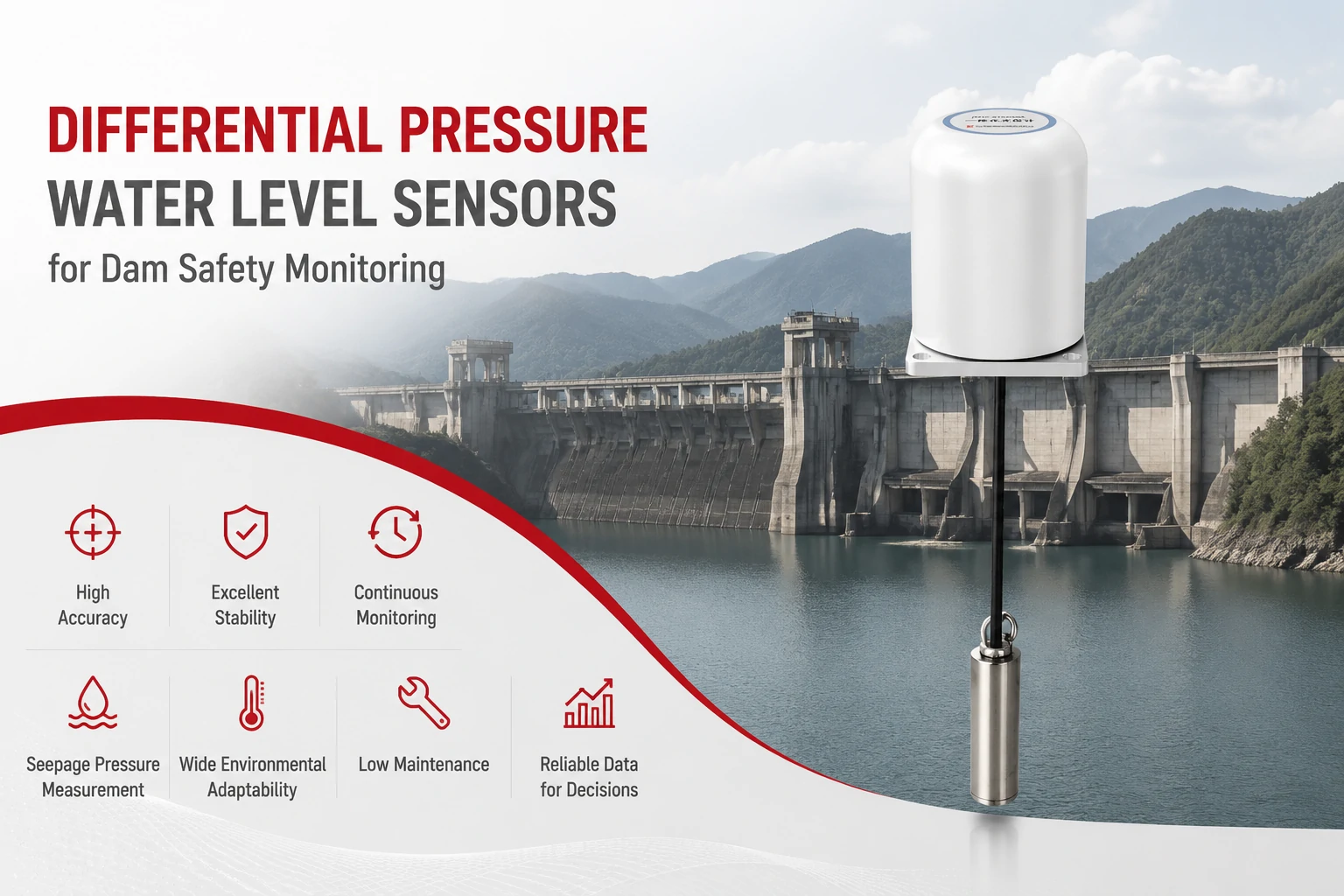
Key Takeaways The strongest fit is usually a confined, submerged, or s...
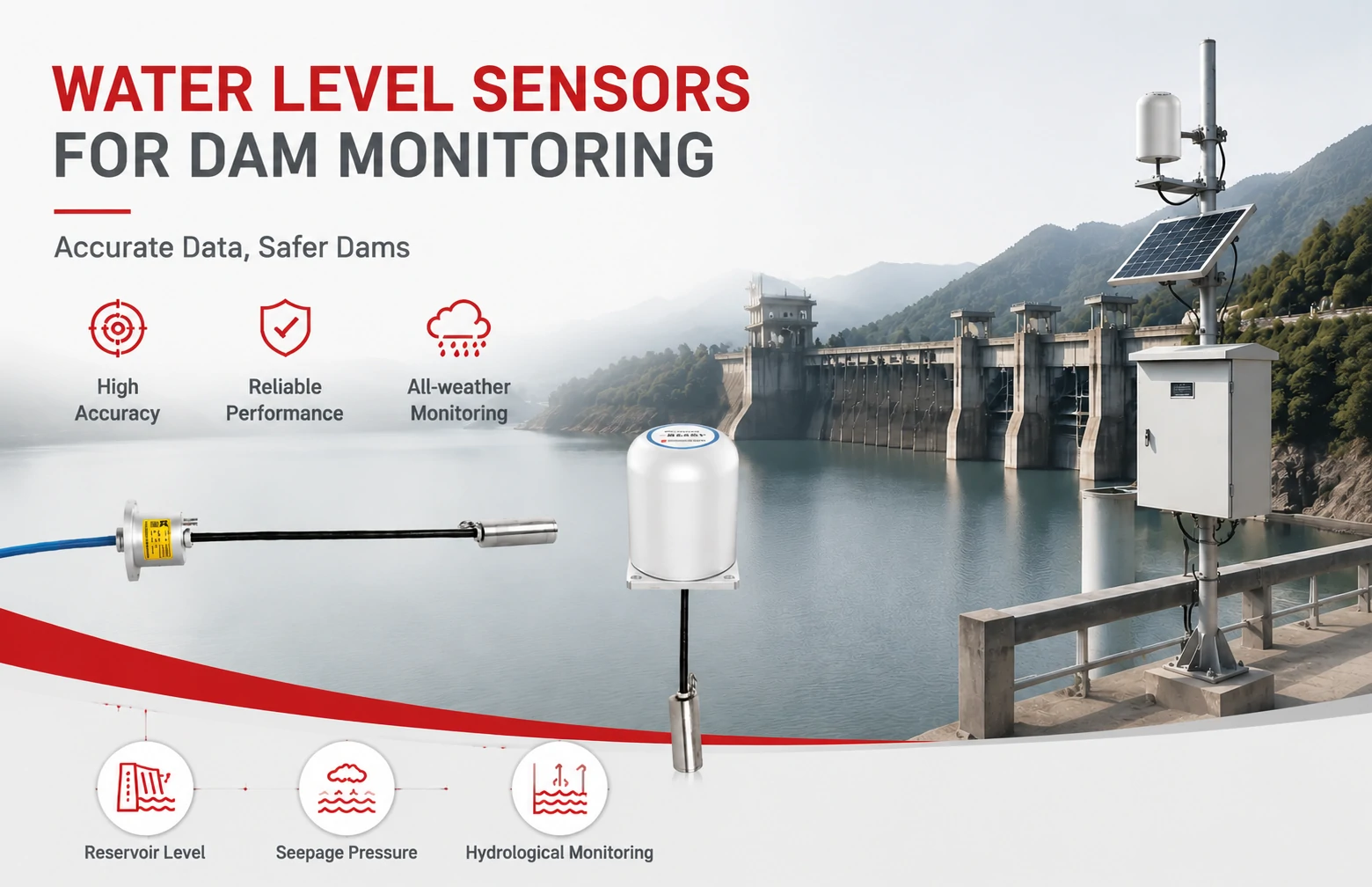
Kingmach Water Level Sensors for Dam Monitoring: A Buyer's Guide to Differential Pre...
Products
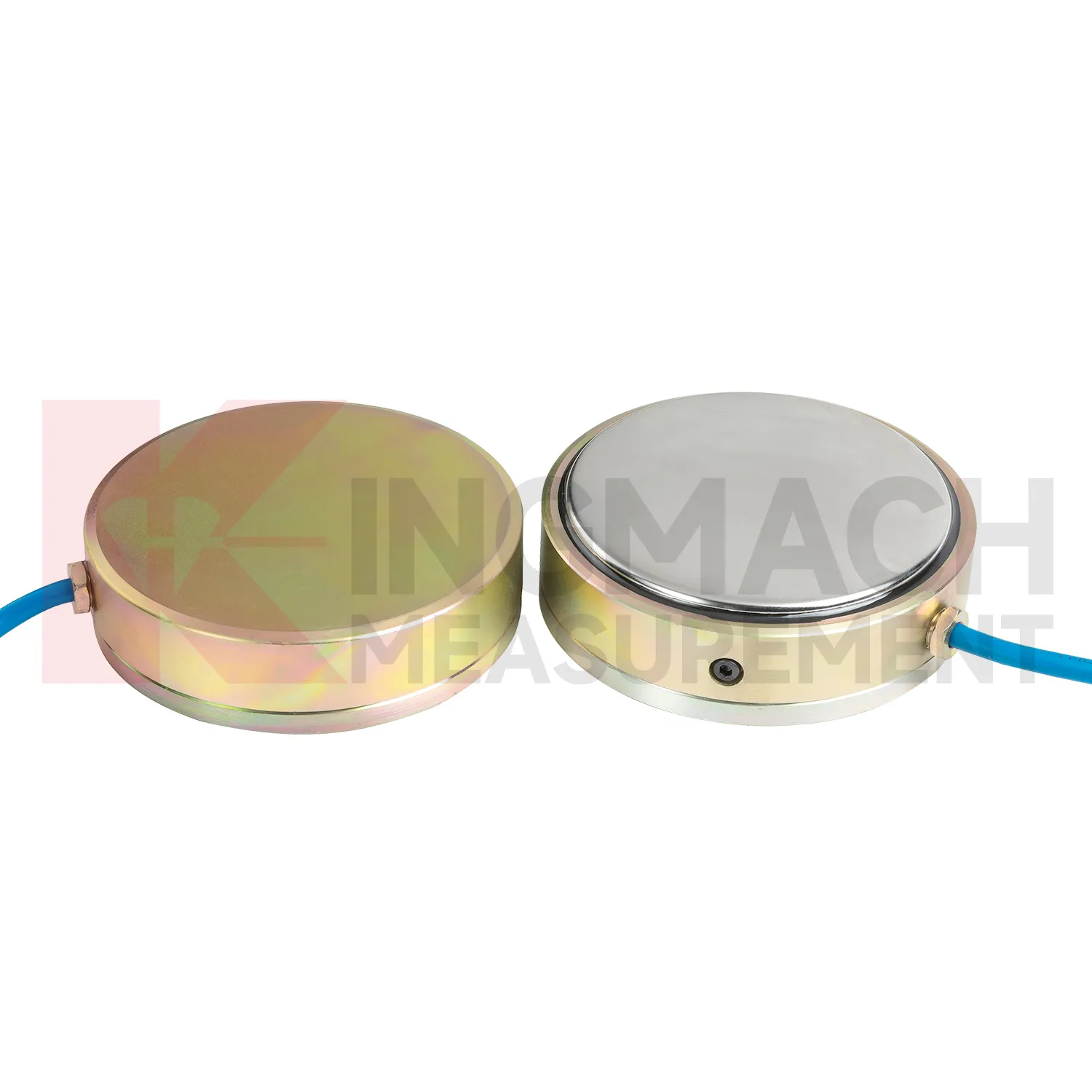
Earth Pressure Cell ( VW & Smart Type) JMZX-50XXAT/ ATM
View Details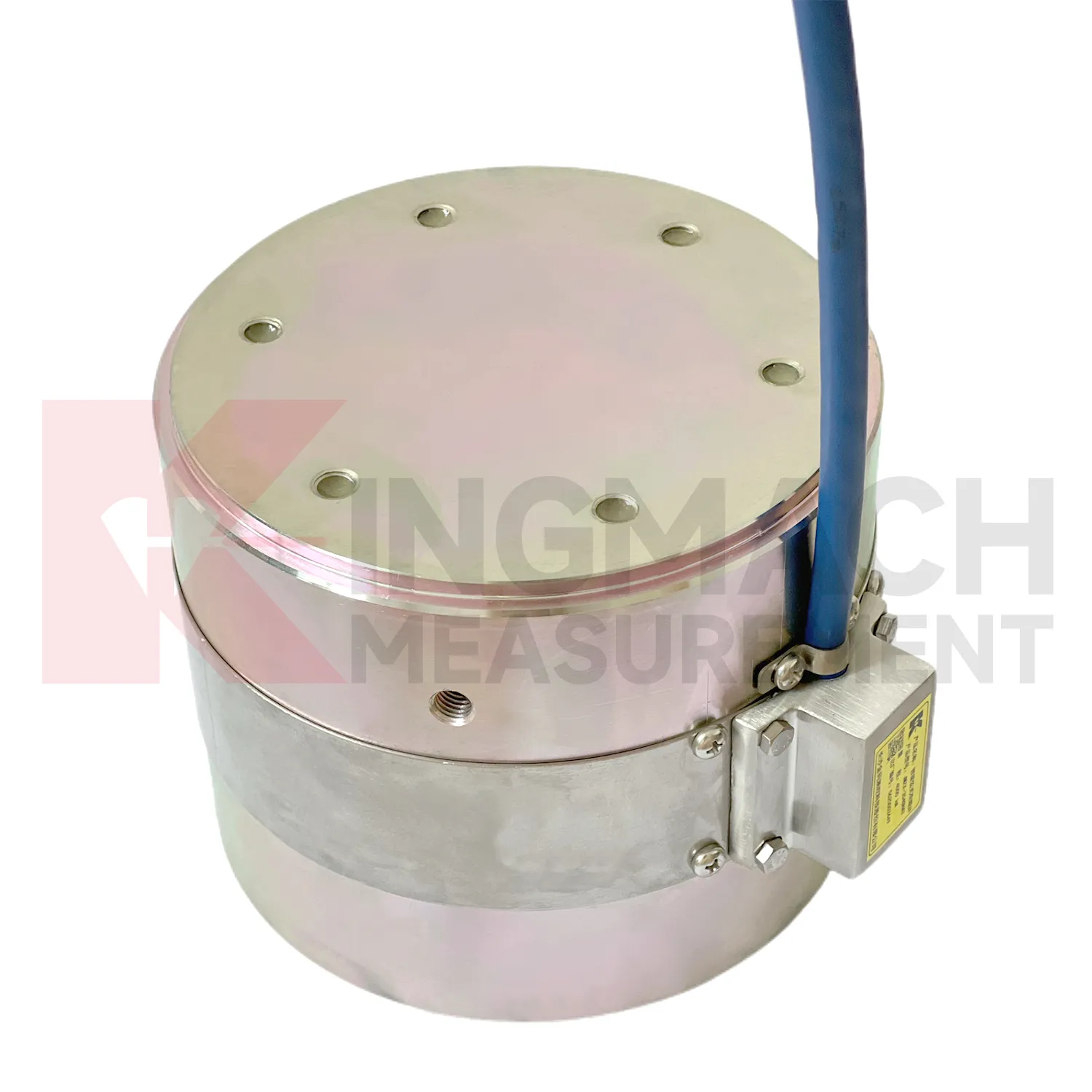
Solid load cell JMZX-34XXHAT、35XXHAT、36XXHAT
View Details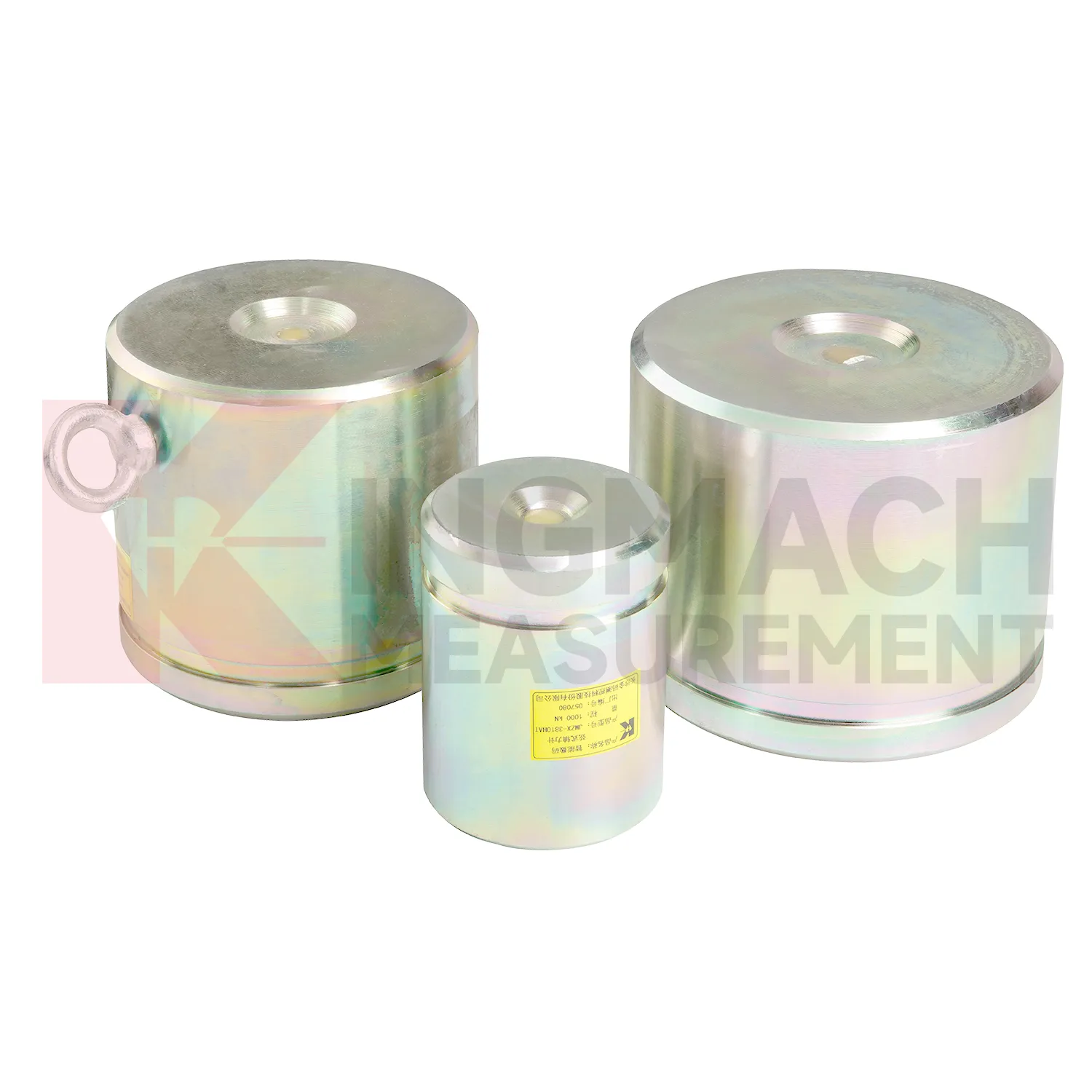
Axial Force Load Meter ( VW & Smart Type)JMZX-38XXHAT
View DetailsFAQ
It depends on the application. For measuring tieback anchor loads, center-hole load cells are common because they fit around the tendon. For compressive loads under bridge bearings or between tunnel segments, solid disc-style load cells work well. In soil or rock pressure monitoring, pad-style pressure cells are often embedded directly. The main factors to consider are the load range, environmental sealing, and whether you need temperature compensation built in. Kingmach can advise on which configuration will survive the conditions and still give consistent readings over years.
Start with the design load of the element you are monitoring—for instance, the working tension of a ground anchor or the anticipated reaction at a support. It is usually wise to select a rated capacity about 1.2 to 1.5 times the maximum expected load. This avoids overloading the sensor while keeping you in a range where accuracy is good. If you are unsure, we can help review your design values and recommend a cell that leaves safe margin without being oversized to the point that small changes are lost in the noise.
Yes, that is a routine part of our work. Many monitoring setups use loggers from brands like Campbell Scientific, Geokon, or RST Instruments, each with their own input requirements. We can configure the load cell’s output signal—mV/V, 4-20 mA, 0-5 V, or digital RS-485—to match your system. We also adjust cable lengths and connector types. Just let us know the logger model and the required channel configuration, and we will ship the sensors ready to connect.
Technical support is included. If readings look unstable or you suspect wiring issues, we can walk through troubleshooting steps over a call or video. Many problems are solved by checking the cable integrity, verifying the shunt calibration, or ensuring the load cell is properly aligned. If a sensor needs to be recalibrated later, we can guide you on sending it back or, for larger quantities, help arrange on-site calibration where feasible.
Share your product type, target capacity, and application requirements. Our team can review the details and recommend a practical next step.
If you are interested in our products or want to become our partner.
Please leave your contact information, our team will contact you as soon as possible.
Mail: [email protected]
Contact Us: +8613808434127
Address: No. 188 Tongzipo West Rd, Changsha, Hunan, China