
 EN
EN
 ar
ar bg
bg hr
hr cs
cs da
da nl
nl fi
fi fr
fr de
de el
el hi
hi it
it ko
ko no
no pl
pl pt
pt ro
ro ru
ru es
es sv
sv tl
tl iw
iw id
id lv
lv lt
lt sr
sr sk
sk sl
sl uk
uk vi
vi et
et hu
hu th
th tr
tr fa
fa ms
ms hy
hy ka
ka ur
ur bn
bn mn
mn ta
ta kk
kk uz
uz ku
ku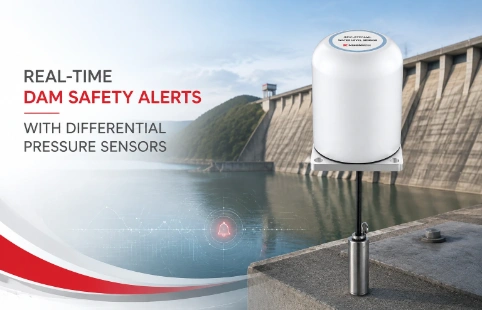
Real-Time Dam Safety Alerts with Differential Pressure Water Level Sensors
Key Takeaways An alert chain needs more than a sensor: define field in...

Accelerometers for Vibration Monitoring: A Practical Guide
When a bearing on the cooling tower fan began showing unusual wear, the maintenance team knew they needed to catch the problem before it escalated. They turned to vibration monitoring. But the first challenge wasn’t the analysis—it was choosing the right accelerometer. With dozens of types on the market, the team spent days comparing sensitivity specs, frequency ranges, and mounting options. That’s a common scenario across power plants, factories, and construction sites. Kingmach, as a manufacturer of geotechnical and structural monitoring instruments, often supports engineers in this selection process. We’ve seen what works in tough environments, from marine structures to heavy machinery. This guide walks through the practical considerations when picking accelerometers for vibration monitoring—not just data sheet numbers, but real-world factors like cable routing, temperature swings, and access for calibration.
Technical Detail
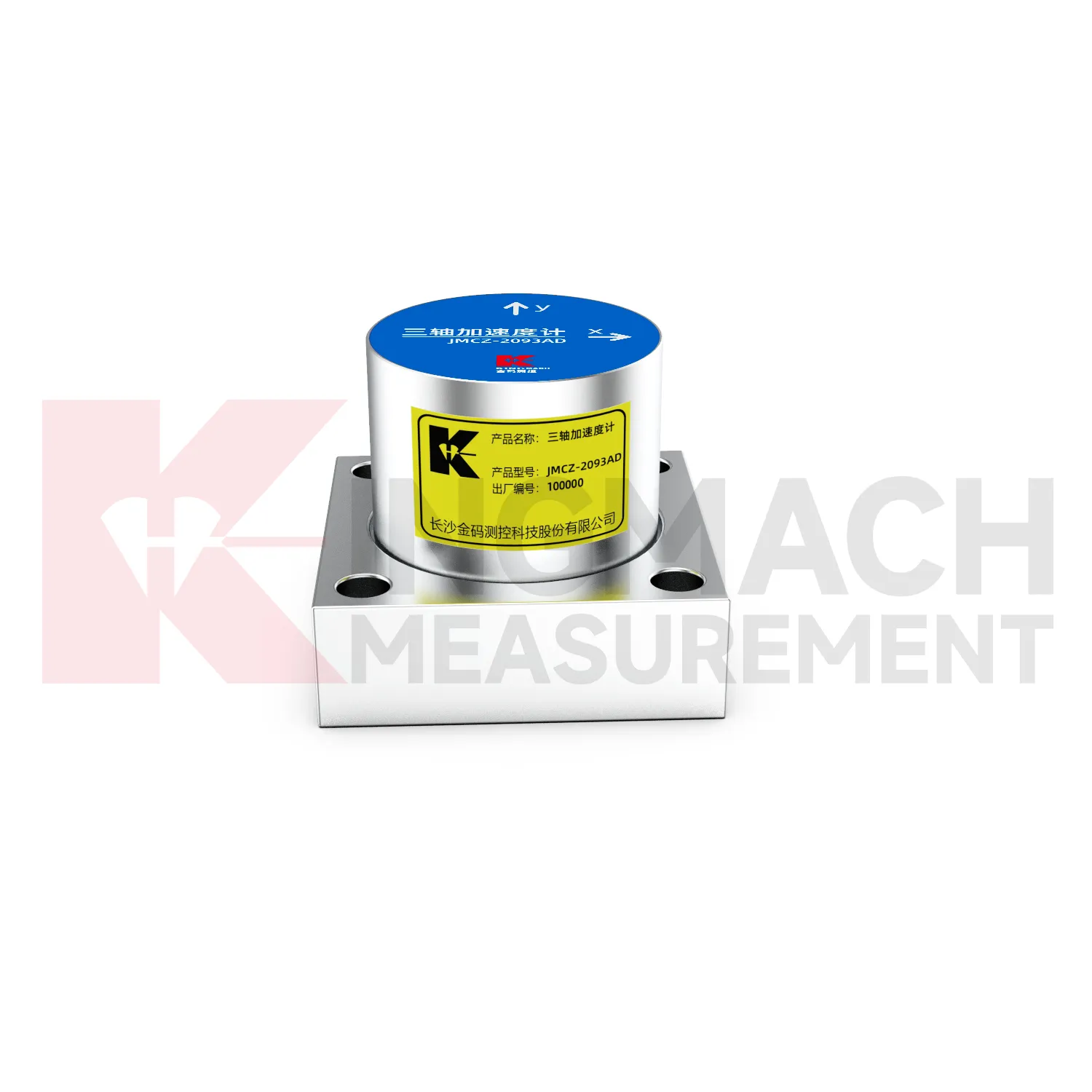
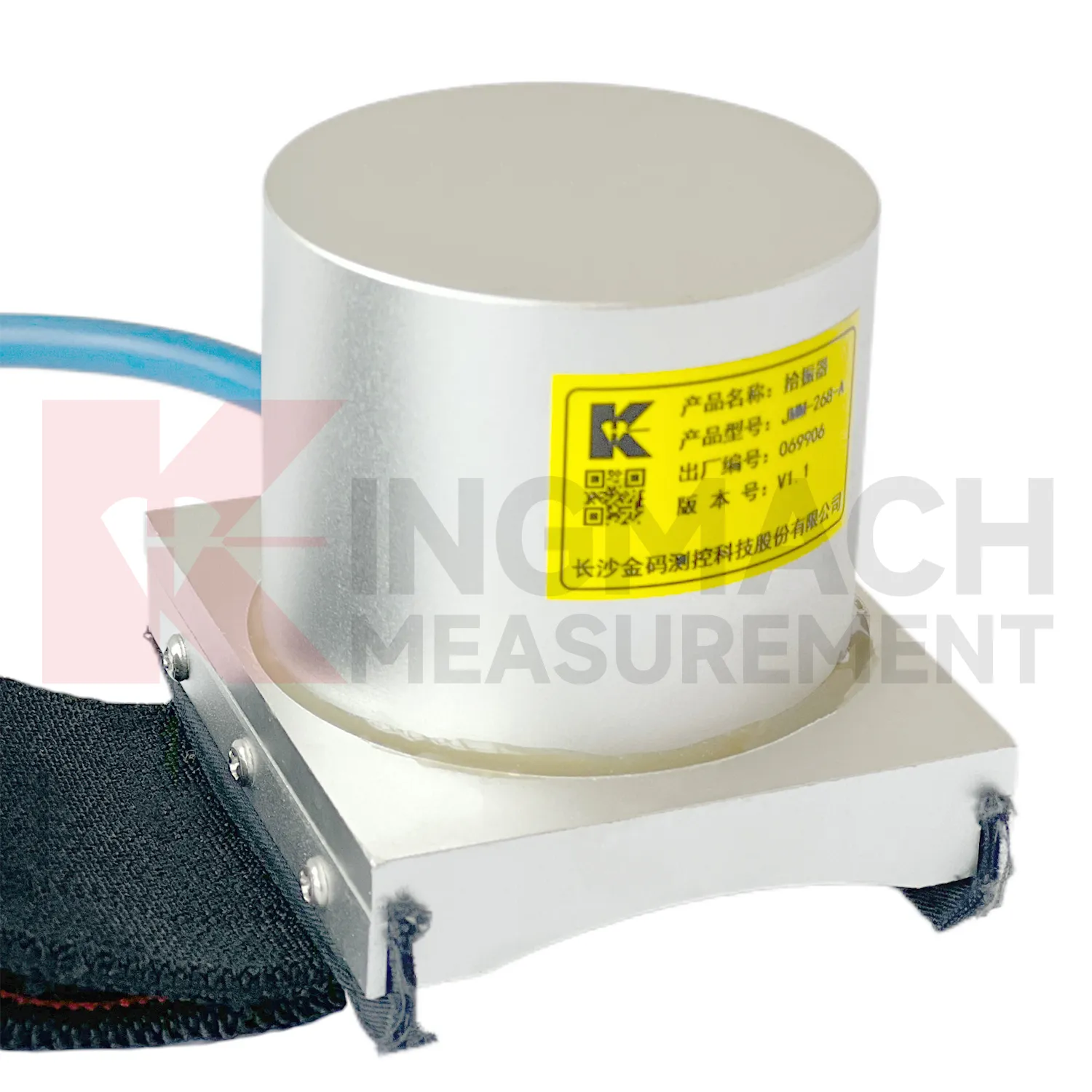
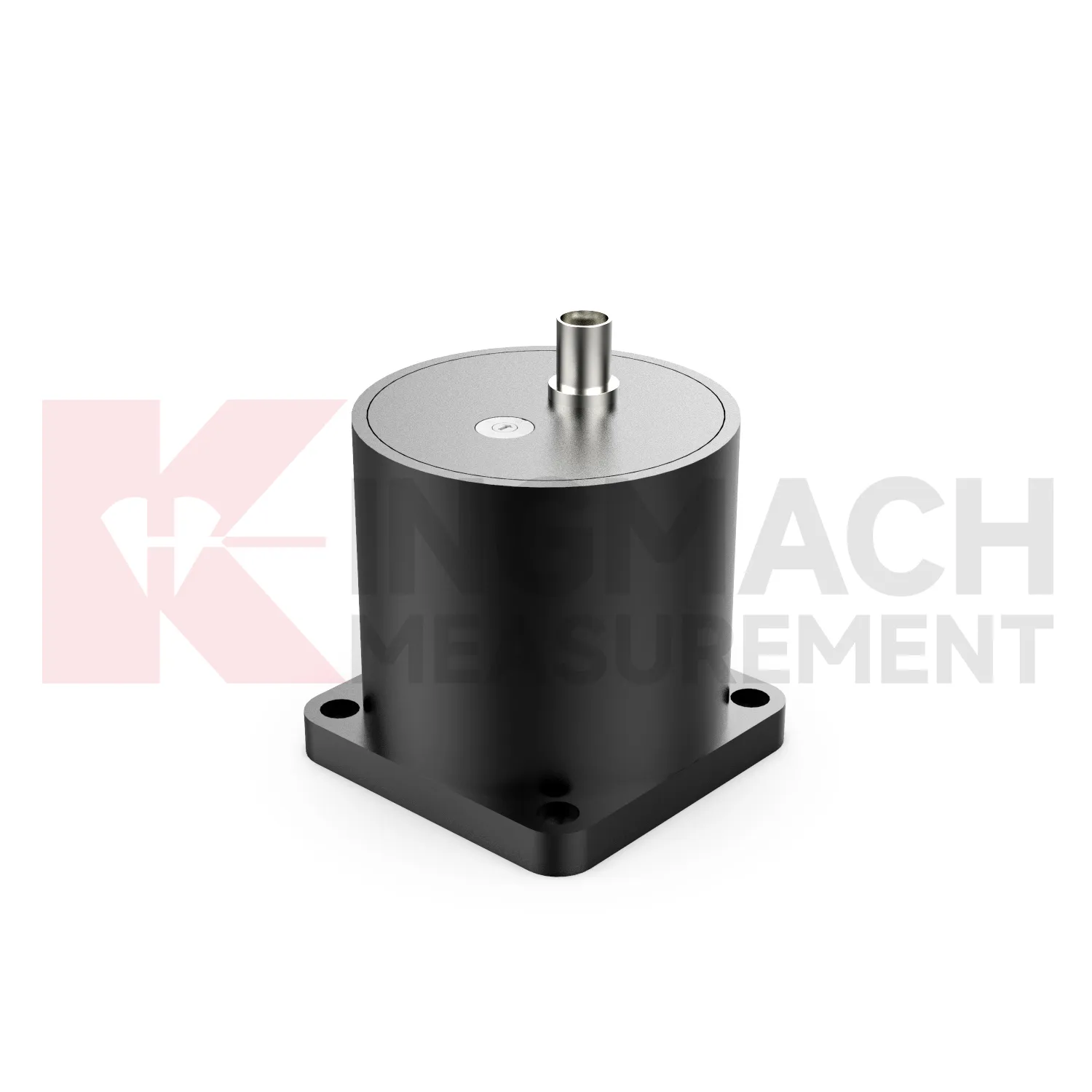
Vibration monitoring accelerometers come in several flavors, each with its own strengths. Piezoelectric (PE) types deliver wide frequency response and high sensitivity, making them a solid starting point for rotating machinery diagnostics. MEMS capacitive devices offer DC response for low-frequency structural monitoring, like bridges or building sway. When you call Kingmach, we don’t just quote a part number—we start with your measurement goals. Are you tracking bearing faults with early-stage high-frequency signatures? A PE accelerometer with resonant frequency above 20 kHz might be the ticket. Need to capture slow settlement effects alongside vibration? A MEMS unit could serve dual purpose. Our team has supported projects ranging from wind turbine gearbox monitoring to seismic qualification tests. Because we manufacture a wide range of geotechnical instruments, we understand how accelerometers integrate into larger monitoring systems—connecting to data loggers, surviving harsh outdoor conditions, or being installed in hard-to-reach spots. Off-the-shelf models cover many needs, but we often customize cabling, mounting brackets, or even sensitivity to match project requirements. That flexibility, combined with technical support from commissioning through data analysis, helps avoid the trial-and-error that can eat up a startup budget. If you’re planning a vibration monitoring campaign, reaching out early can save time and ensure the sensor data actually answers your questions.
News
Key Takeaways An alert chain needs more than a sensor: define field in...
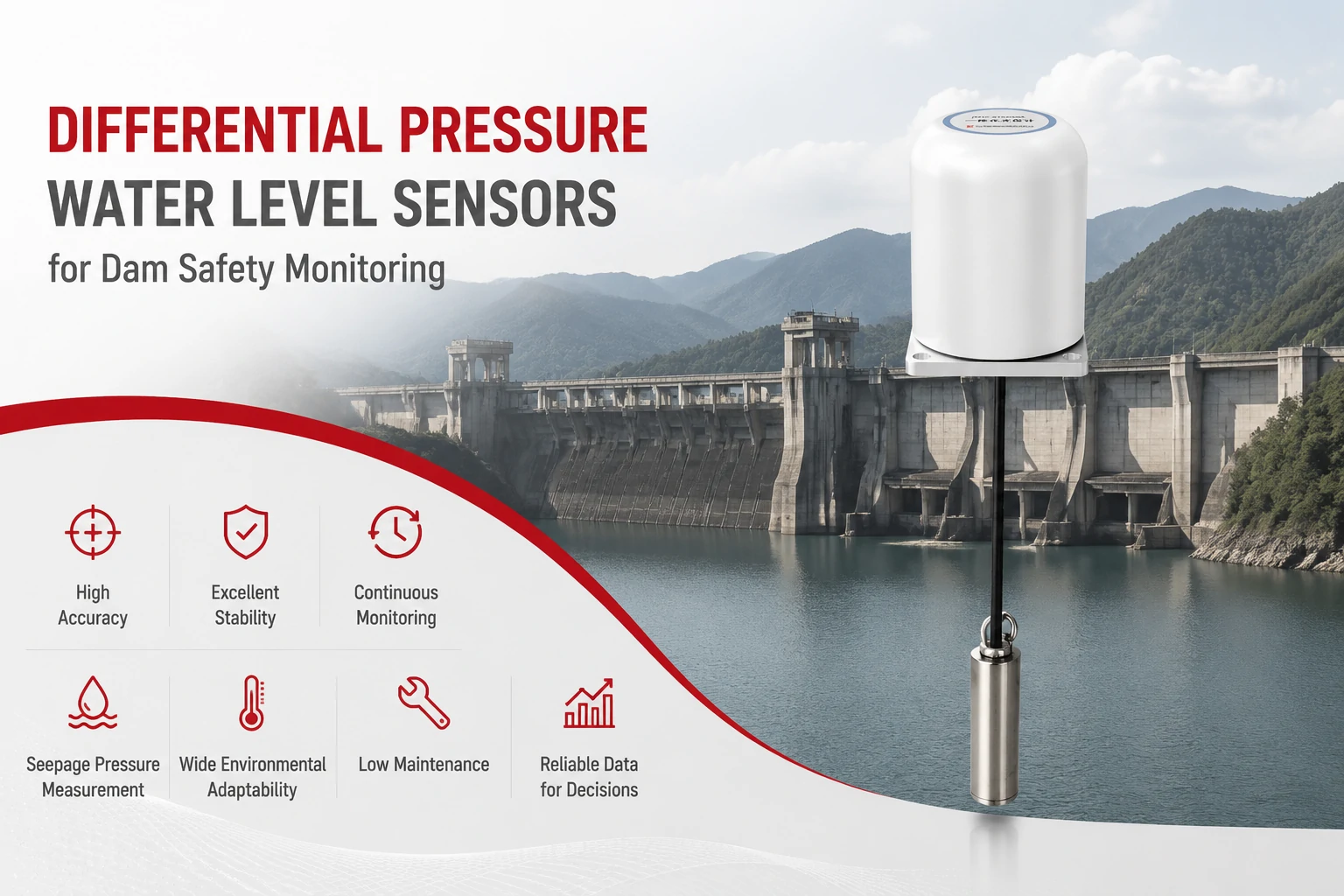
Key Takeaways The strongest fit is usually a confined, submerged, or s...
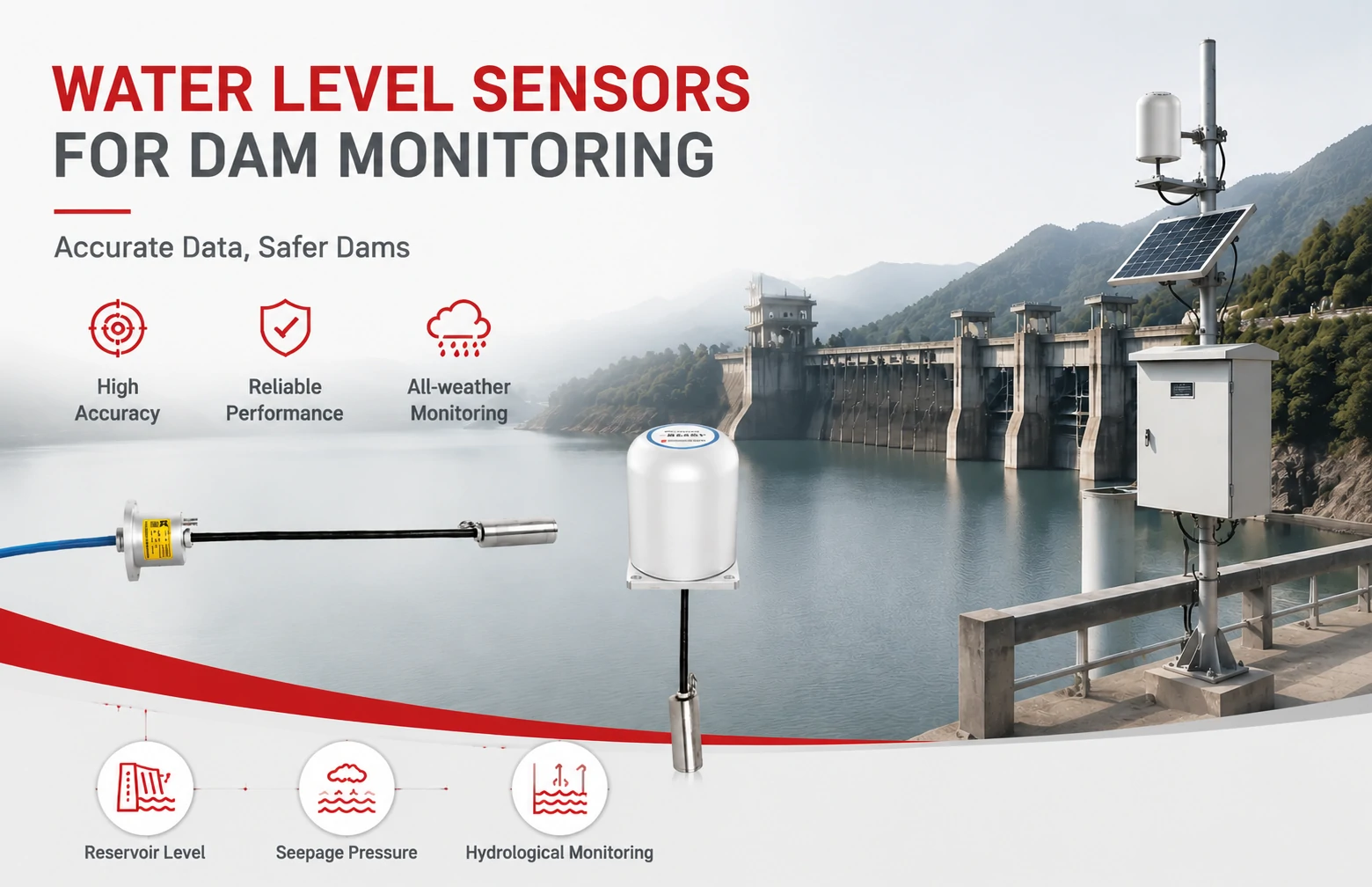
Kingmach Water Level Sensors for Dam Monitoring: A Buyer's Guide to Differential Pre...
Products
FAQ
Piezoelectric accelerometers generate charge under mechanical stress and excel at high-frequency, low-amplitude vibrations—ideal for detecting bearing defects or gear mesh issues. MEMS accelerometers are typically capacitive, measure down to DC, and suit low-frequency tasks like structural sway or tilt. In practice, a PE unit will miss a 0.1 Hz bridge oscillation, while a MEMS unit might not capture a 10 kHz bearing ring. Your application’s frequency range decides which technology fits.
Flat base accelerometers need a flat spot, so you’ll often need a mounting block or a magnetic base with a contoured adapter. Some teams epoxy a small steel pad to the pipe to create a flat surface, then attach the sensor with a threaded stud. In permanent installs, welding a mounting block is common. Kingmach can provide curved mounting brackets or custom bases matched to pipe diameters.
Cooling tower fans typically run below 300 RPM, so the fundamental vibration is under 5 Hz. You’ll want an accelerometer with a low-end cutoff around 1–2 Hz to capture imbalance and misalignment. For bearing condition monitoring, higher frequencies up to a few kHz are relevant, so a sensor with a flat response to 5 kHz covers most needs. A MEMS unit with DC response works for slow-speed balance; a PE sensor with a low-frequency roll-off might suffice if you’re only interested in bearing tones.
It depends on the bandwidth. Many industrial accelerometers have a low-end cutoff of 1–2 Hz, which is fine for machine health but too high for monitoring building sway (often 0.1–0.5 Hz). If your structural monitoring involves earthquakes or wind-induced vibration, a MEMS accelerometer with true DC response is more suitable. Some hybrid applications use both types, with a switch box or two data acquisition channels. Kingmach often supplies combined systems for sites that need both machinery and structural data.
Yes, each accelerometer we ship includes a calibration certificate from our in-house lab, traceable to national standards. We also offer annual recalibration services if your quality system requires it. Contact us with your sensor model and calibration requirements.
Share your product type, target capacity, and application requirements. Our team can review the details and recommend a practical next step.
If you are interested in our products or want to become our partner.
Please leave your contact information, our team will contact you as soon as possible.
Mail: [email protected]
Contact Us: +8613808434127
Address: No. 188 Tongzipo West Rd, Changsha, Hunan, China