
 EN
EN
 ar
ar bg
bg hr
hr cs
cs da
da nl
nl fi
fi fr
fr de
de el
el hi
hi it
it ko
ko no
no pl
pl pt
pt ro
ro ru
ru es
es sv
sv tl
tl iw
iw id
id lv
lv lt
lt sr
sr sk
sk sl
sl uk
uk vi
vi et
et hu
hu th
th tr
tr fa
fa ms
ms hy
hy ka
ka ur
ur bn
bn mn
mn ta
ta kk
kk uz
uz ku
ku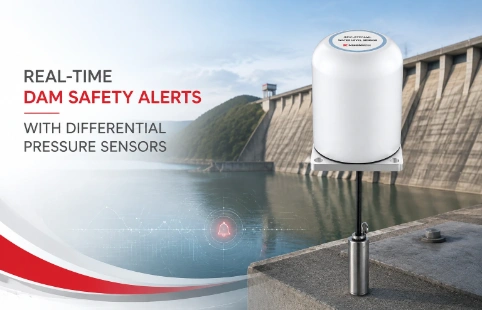
Real-Time Dam Safety Alerts with Differential Pressure Water Level Sensors
Key Takeaways An alert chain needs more than a sensor: define field in...

Temperature String: Multi-Point Monitoring Without the Guesswork
A dam in northern Canada was showing odd seepage patterns. Thermistors buried during construction had failed years ago, and the team suspected internal erosion but couldn’t verify without digging. They needed a way to map temperatures at multiple depths through existing boreholes. A temperature string, with sensors every meter down to 30 m, was lowered in. Within days, the profile revealed a cold plume where reservoir water was infiltrating, pinpointing the leak’s path. That’s the kind of clarity a well-designed temperature string brings to subsurface monitoring. At Kingmach, we build these strings for long-term embedment or temporary surveys, combining rugged construction with practical customization so you get data that makes sense, not just numbers.
Technical Detail
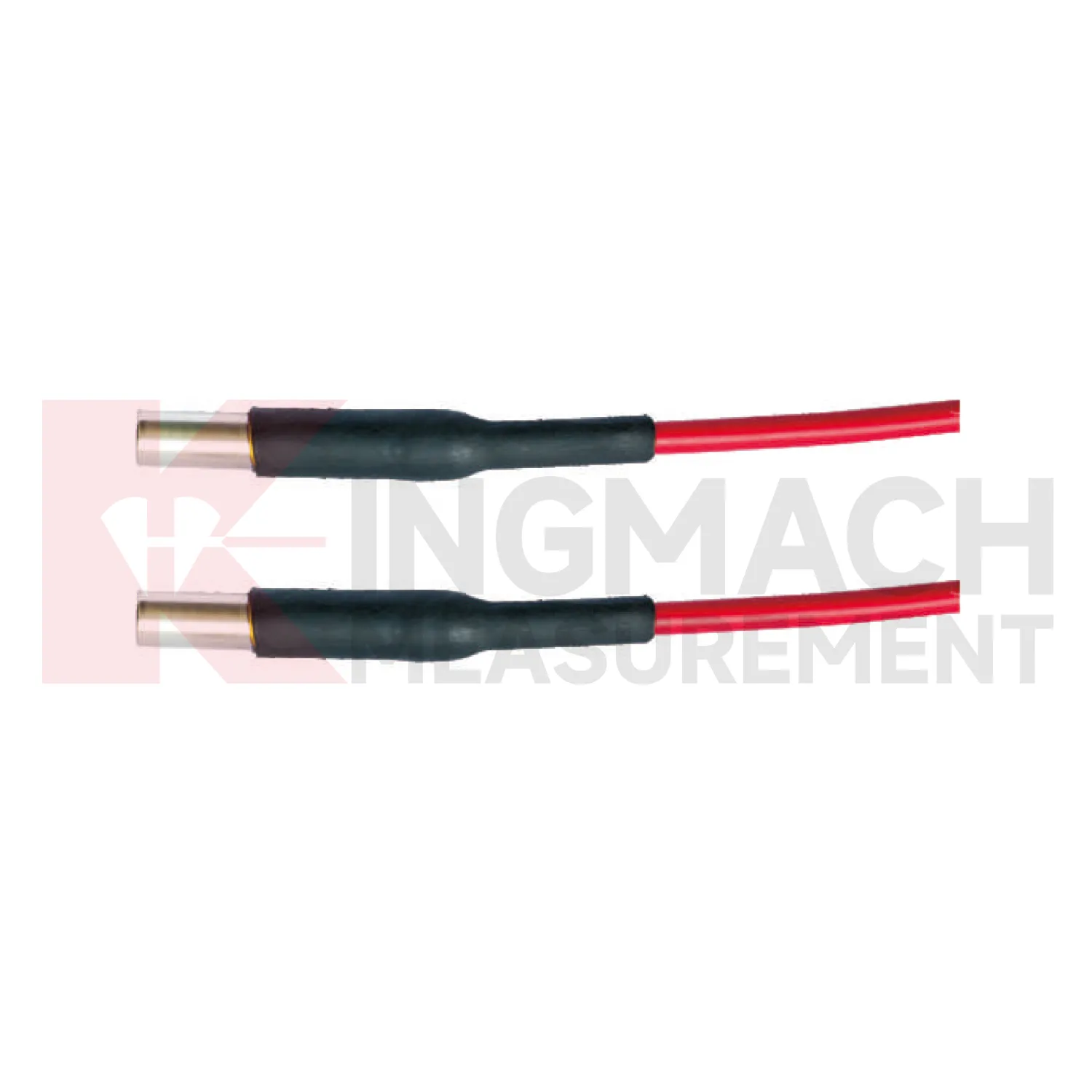
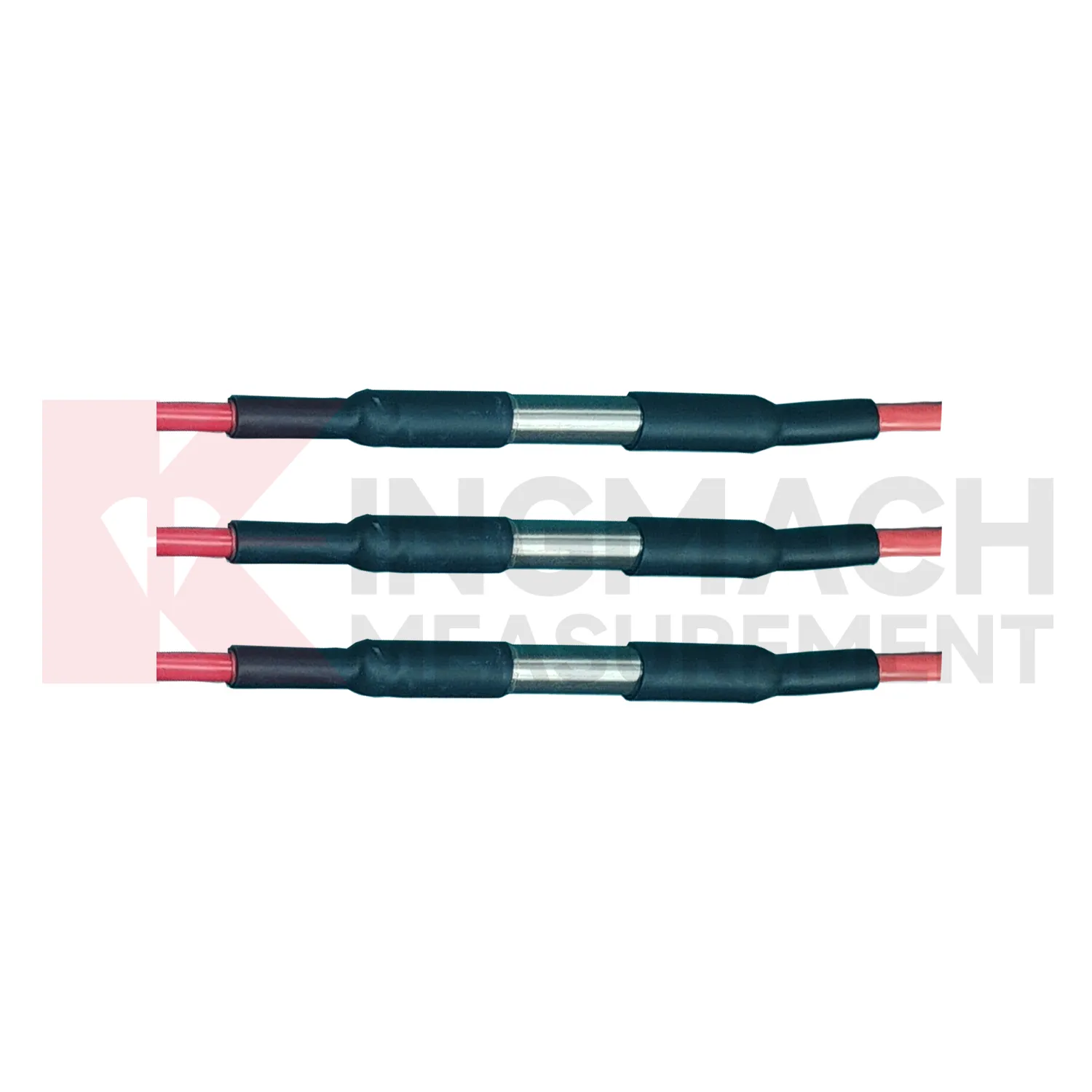
A temperature string is essentially a cable with multiple digital or analog temperature sensors fixed at predetermined intervals, allowing continuous vertical or horizontal profiling. It’s used in groundwater studies, permafrost monitoring, concrete curing, and tailings dams. Kingmach’s approach is to configure each string around the project’s physical constraints and data resolution needs, rather than forcing off-the-shelf spacing. Sensor spacing can be uniform or varied—closer near the surface where gradients are steeper, wider at depth. Typical sensor types include NTC thermistors or digital sensors like DS18B20, depending on accuracy requirements and cable length. The cable itself is a key differentiator: we use polyurethane or polyethylene jackets with Kevlar strength members, permitting direct burial or suspension in wells without conduit. For groundwater wells, the diameter can be as small as 6 mm to minimize flow disturbance. For harsh environments, stainless steel encapsulation is an option. Kingmach manufactures these strings in-house, so lead time for custom designs is usually 2–3 weeks. Each string is pressure-tested to simulate submersion depth before shipping, and we provide calibration certificates for the sensors. While we don’t publish fixed specifications (every order is different), a recent 50-point string for a tailings dam monitoring project operated reliably at 60 m depth and -20°C. This flexibility and field focus is what makes our temperature strings a practical choice for geotechnical instrumentation projects.
News
Key Takeaways An alert chain needs more than a sensor: define field in...
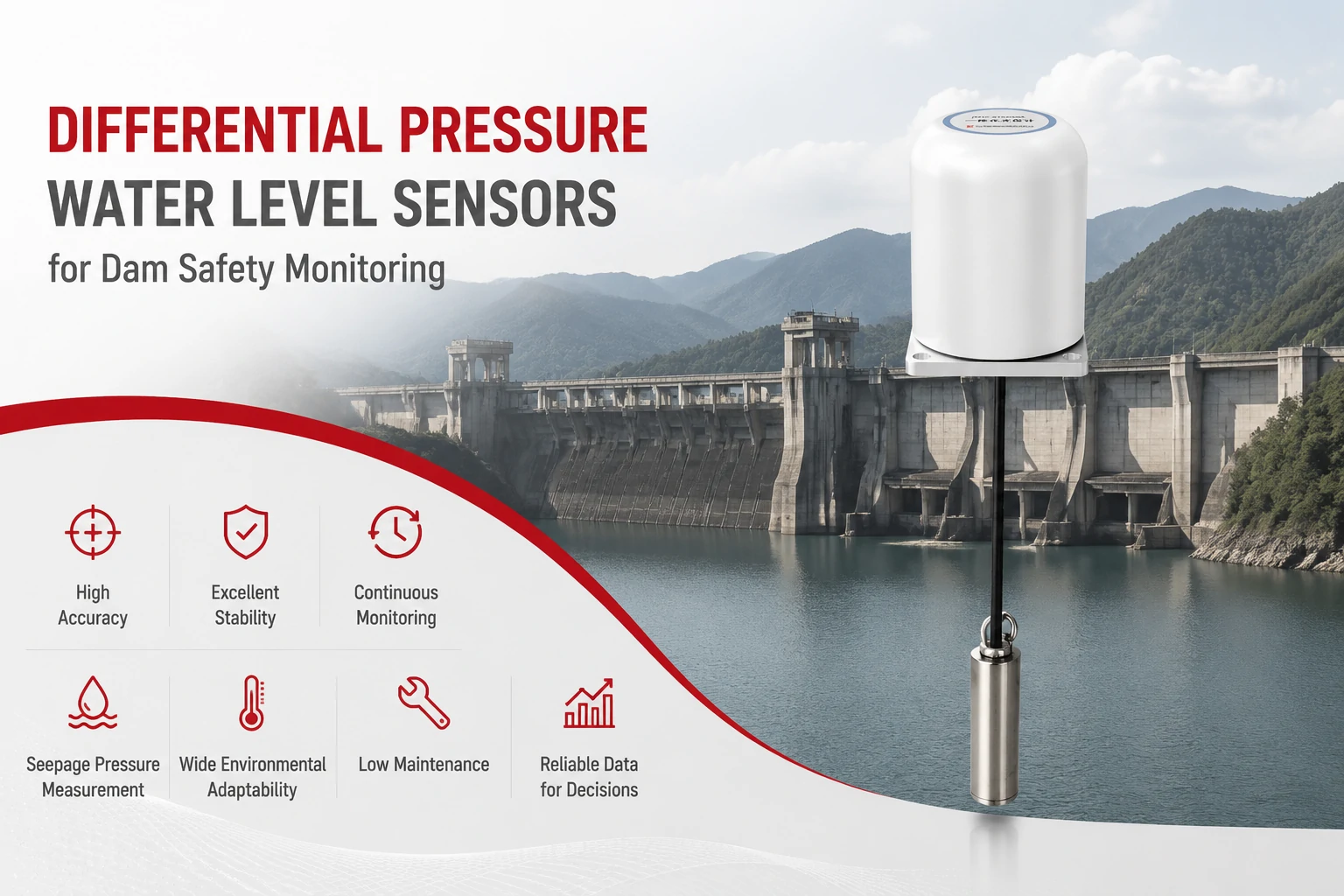
Key Takeaways The strongest fit is usually a confined, submerged, or s...
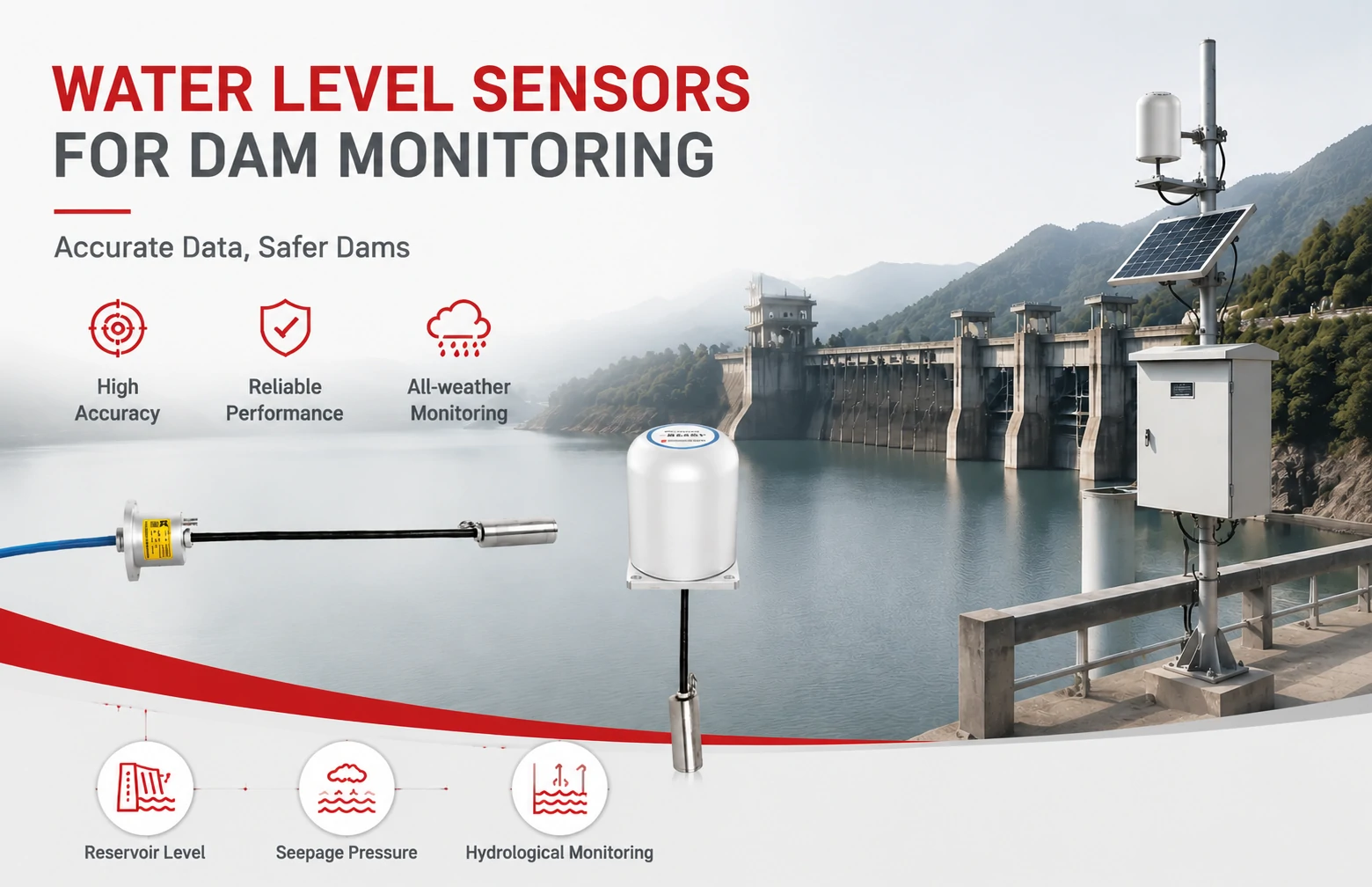
Kingmach Water Level Sensors for Dam Monitoring: A Buyer's Guide to Differential Pre...
Products
FAQ
It depends on the application. For soil temperature gradients, we often use 0.5 m to 1 m spacing near the surface and 2–5 m at depth. For concrete monitoring, sensors might be placed every 0.25 m. We can vary spacing along the same string to capture thermal layers efficiently.
A string gives you a profile in one installation, which is faster and less disruptive than placing multiple single-point sensors. It also reduces cabling and connector complexity. If you need only one or two monitoring depths, then single-point sensors might be cheaper, but for spatial understanding, a string is more cost-effective in the long run.
Yes. We can integrate a data logger at the surface end, or supply the string with a connector for your existing logger. Common interfaces include SDI-12, Modbus, and simple voltage outputs. We’ll need to know your logger type and power supply to match the signal.
We’ve built strings up to 300 m long. The practical limit depends more on cable handling and signal integrity. For digital sensors, we use repeaters or buffers beyond certain distances to ensure reliable communication. For analog sensors, we check resistance and capacitance to keep measurement error within spec.
Each sensor junction is over-molded with a marine-grade polyurethane or epoxy, depending on chemical exposure. The process is done under vacuum to eliminate bubbles, and every string goes through a hydrostatic pressure test at 1.5 times the rated submersion depth before leaving our factory.
Share your product type, target capacity, and application requirements. Our team can review the details and recommend a practical next step.
If you are interested in our products or want to become our partner.
Please leave your contact information, our team will contact you as soon as possible.
Mail: [email protected]
Contact Us: +8613808434127
Address: No. 188 Tongzipo West Rd, Changsha, Hunan, China