
 EN
EN
 ar
ar bg
bg hr
hr cs
cs da
da nl
nl fi
fi fr
fr de
de el
el hi
hi it
it ko
ko no
no pl
pl pt
pt ro
ro ru
ru es
es sv
sv tl
tl iw
iw id
id lv
lv lt
lt sr
sr sk
sk sl
sl uk
uk vi
vi et
et hu
hu th
th tr
tr fa
fa ms
ms hy
hy ka
ka ur
ur bn
bn mn
mn ta
ta kk
kk uz
uz ku
ku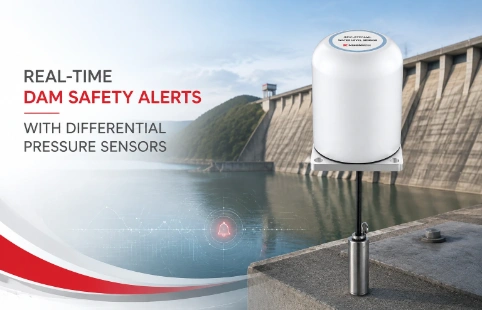
Real-Time Dam Safety Alerts with Differential Pressure Water Level Sensors
Key Takeaways An alert chain needs more than a sensor: define field in...

Strut Axial Force Sensor for Deep Excavation Load Monitoring
When you’re running a deep excavation, watching the loads on your steel struts isn’t a routine check—it’s how you keep the site safe. A strut axial force sensor gives you that load data directly, without the guesswork. At Kingmach, we’ve supplied these sensors to monitoring teams across different soil conditions and project scales. The core idea is simple: a vibrating wire load cell is welded or clamped onto the strut, and it tracks how the axial force changes as the excavation proceeds. The beauty of the vibrating wire principle is that it drifts very little over months of use, which matters when your monitoring program runs through an entire construction season. We’ve seen cases where a single sensor caught a 15% load increase overnight after heavy rain—data the site engineer used immediately to adjust the bracing. This sensor isn’t just a gauge; it’s a practical tool that turns structural feedback into actionable decisions. Our sensors ship from stock for common capacities, and we can adjust the mounting hardware for non-standard strut profiles. If you’re tired of sensors that lose calibration or fail in wet trenches, there’s a reason regular clients keep reordering.
Technical Detail
Kingmach’s strut axial force sensors are built around the vibrating wire sensing principle, which the industry prefers for long-term geotechnical monitoring. The sensor body is fabricated from high-grade stainless steel, and internal sealing keeps moisture out—real protection for the months a sensor spends in a humid excavation environment. Each unit includes a built-in thermistor. Temperature compensation corrects the readings, so you don’t second-guess whether a load shift is from strut stress or just a hot afternoon. Common capacity options match the steel struts found on most sites, and we can supply custom ranges when a project calls for heavier sections. Installation is generally quick: a welder attaches the end brackets, or we provide a clamping collar system for sites where welding isn’t allowed. The signal cable runs to a portable readout or an automatic data logger. Many teams integrate these sensors into their existing monitoring platforms because the frequency output is easy to digitize and transmit. From our experience, the main difference between a sensor that holds up and one that doesn’t is the care in potting and waterproofing the cable exit—something we pay extra attention to. Clients also ask about after-sales support: we keep manuals in multiple languages, and our engineers can walk a site technician through a zero-load check over a video call. Whether you need a single sensor for a small pilot study or a batch of 50 for a metro station excavation, we’ll match the lead time to your schedule.
News
Key Takeaways An alert chain needs more than a sensor: define field in...
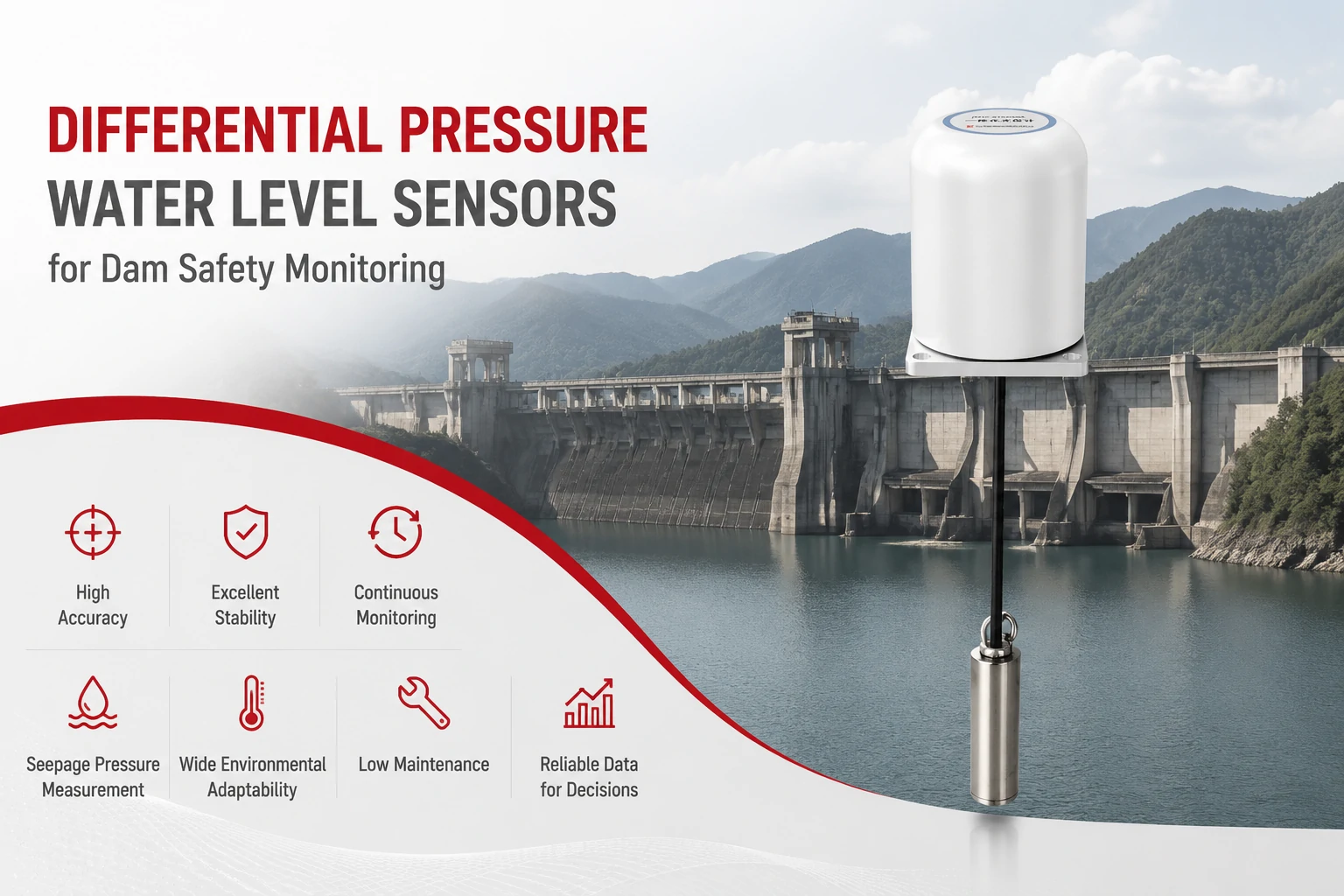
Key Takeaways The strongest fit is usually a confined, submerged, or s...
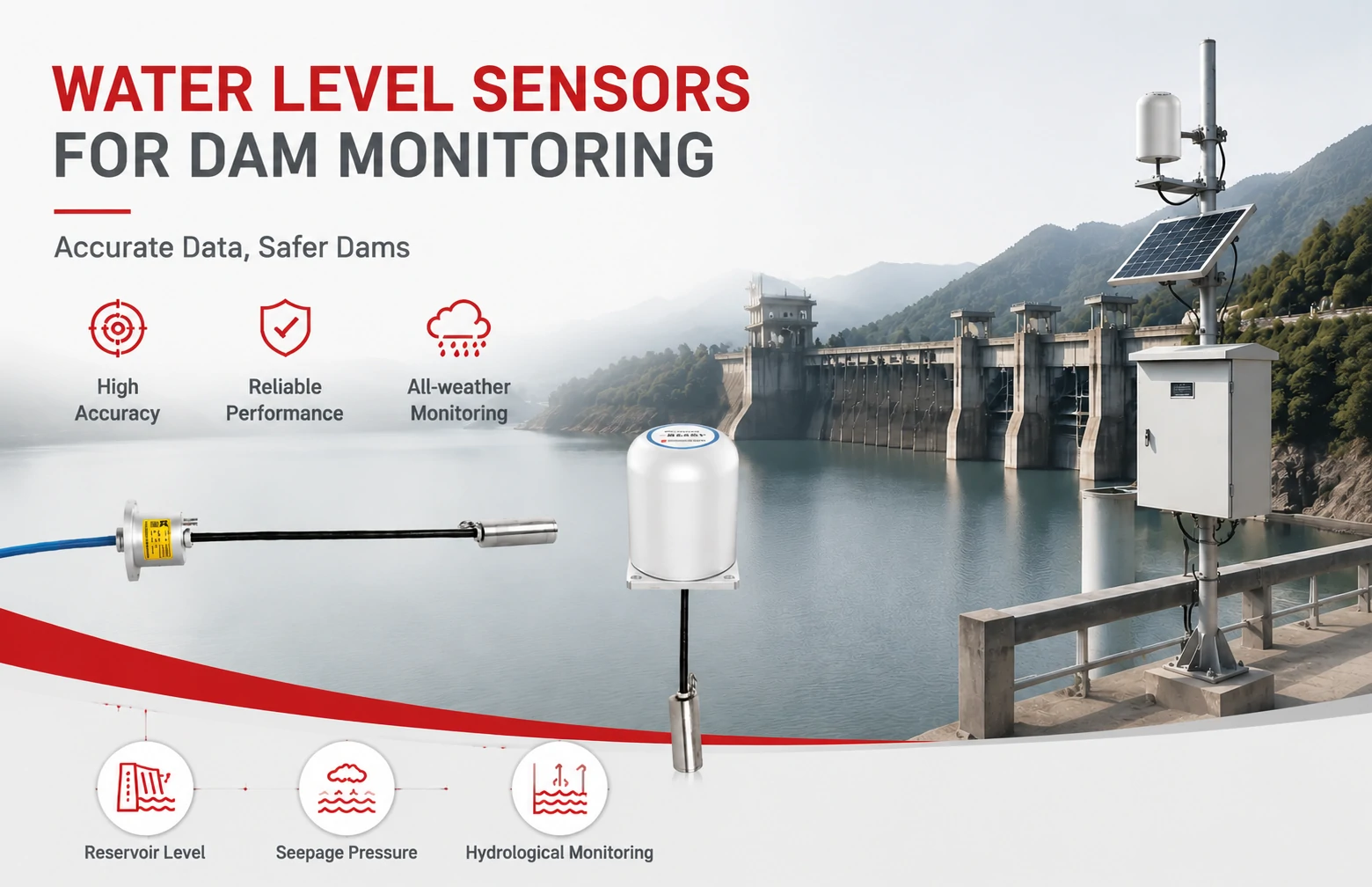
Kingmach Water Level Sensors for Dam Monitoring: A Buyer's Guide to Differential Pre...
Products
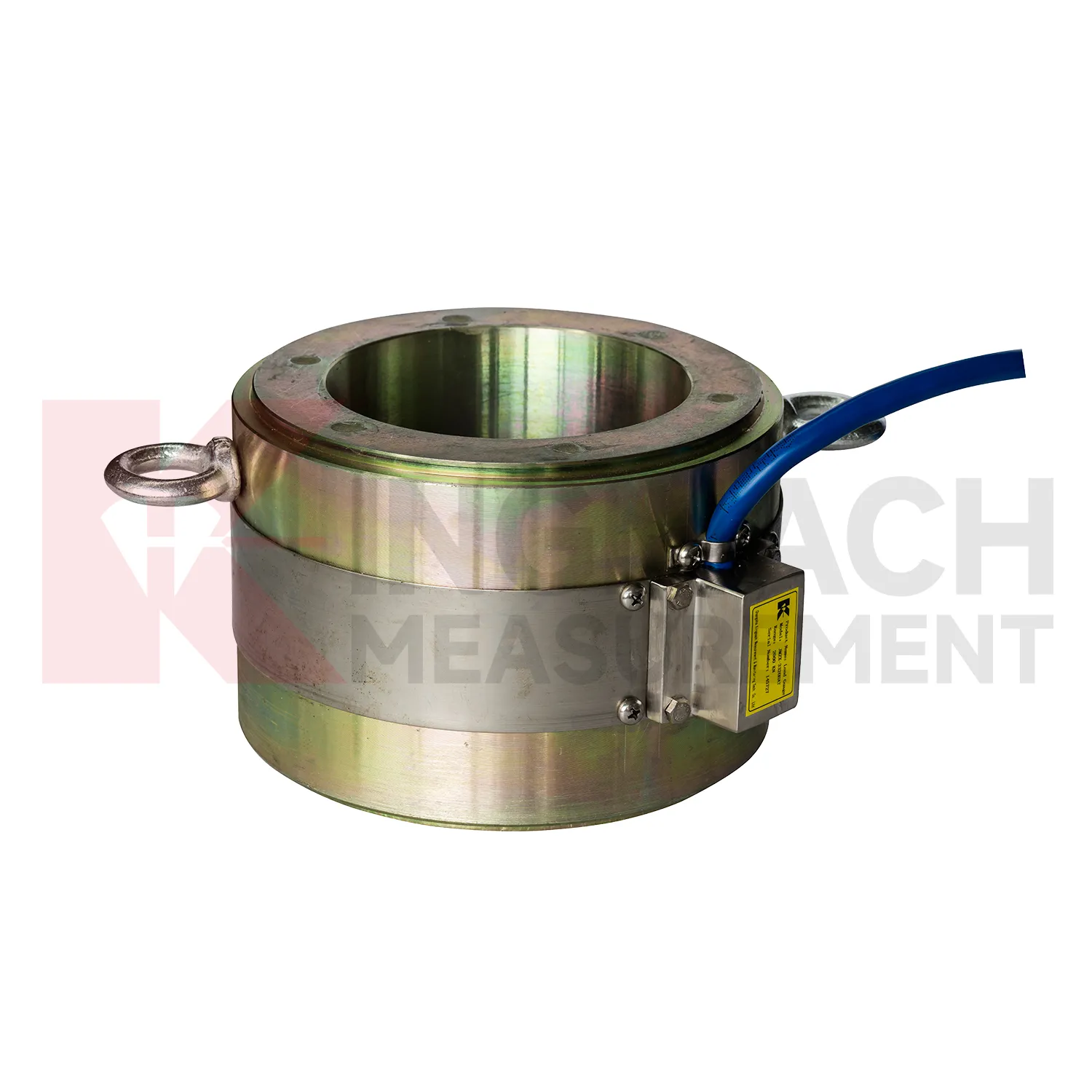
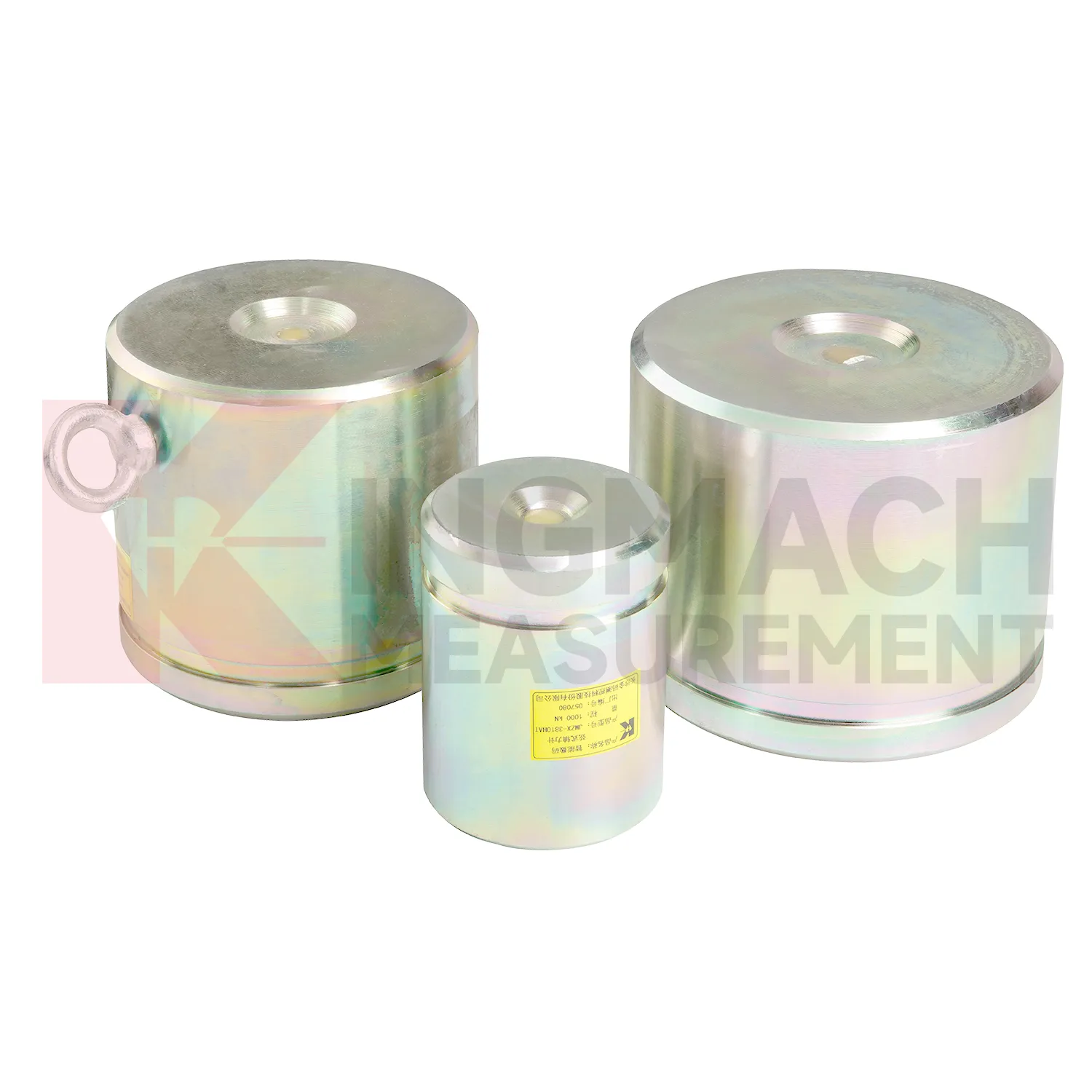
Axial Force Load Meter ( VW & Smart Type)JMZX-38XXHAT
View Details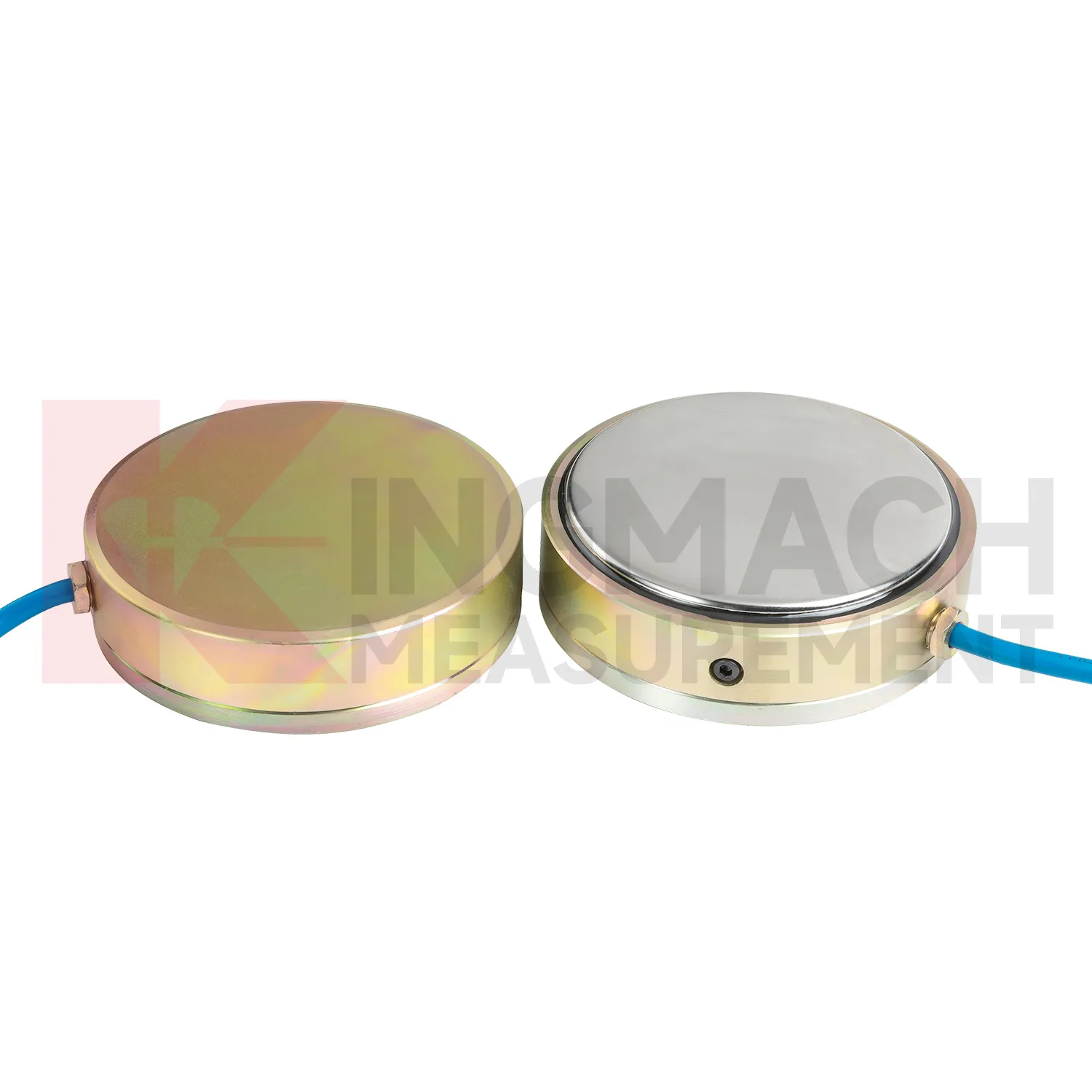
Large Earth Pressure Cell ( VW & Smart Type) JMZX-51XXAT/ ATM
View DetailsFAQ
Standard vibrating wire sensors from Kingmach typically hold ±0.1% full-scale accuracy under stable temperature conditions. In practice, a properly installed sensor on a clean, straight strut section will usually report values you can trust to within about 2% over months, provided you take a good zero reading after welding and before loading starts.
Yes. We offer a clamping collar assembly that bolts around the strut, avoiding hot work on site. It works best on circular or square hollow sections. For H-beams, we sometimes provide a saddle bracket that still requires minimal tack welding, but the collar kit is the go-to for wet or gas-risk environments where a welding permit is impractical.
The sensor outputs a frequency signal via a 4-core cable. You can use any datalogger or portable readout that accepts vibrating wire inputs—we test our sensors with common brands like Geokon, RST, and Campbell Scientific loggers. If you don’t have a compatible unit, Kingmach can supply a handheld readout that displays load directly in engineering units, with calibration coefficients pre-loaded.
Every sensor has a thermistor inside, and the calibration sheet includes temperature correction coefficients. Most modern dataloggers apply the correction automatically. If you’re reading manually, you measure the period and the thermistor resistance, then use a simple formula to back out the temperature-compensated load. It’s standard practice and takes about 30 seconds per reading.
We can modify the capacity range, cable length, and the physical mounting dimensions to fit non-standard strut sections. For projects requiring ATEX or IECEx certification, we can supply sensors with certified cable glands and potting. Just send us a drawing of your strut profile and the required load range—we’ll come back with a proposal, usually within a week.
Share your product type, target capacity, and application requirements. Our team can review the details and recommend a practical next step.
If you are interested in our products or want to become our partner.
Please leave your contact information, our team will contact you as soon as possible.
Mail: [email protected]
Contact Us: +8613808434127
Address: No. 188 Tongzipo West Rd, Changsha, Hunan, China