
 EN
EN
 ar
ar bg
bg hr
hr cs
cs da
da nl
nl fi
fi fr
fr de
de el
el hi
hi it
it ko
ko no
no pl
pl pt
pt ro
ro ru
ru es
es sv
sv tl
tl iw
iw id
id lv
lv lt
lt sr
sr sk
sk sl
sl uk
uk vi
vi et
et hu
hu th
th tr
tr fa
fa ms
ms hy
hy ka
ka ur
ur bn
bn mn
mn ta
ta kk
kk uz
uz ku
ku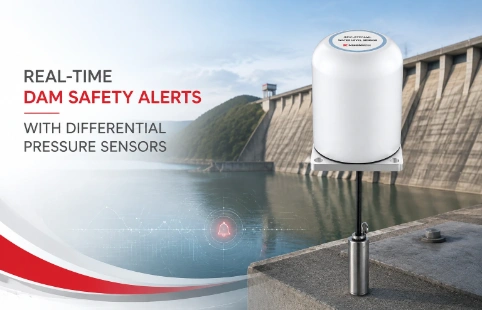
Real-Time Dam Safety Alerts with Differential Pressure Water Level Sensors
Key Takeaways An alert chain needs more than a sensor: define field in...

Structural Health Monitoring Sensors for Reliable Data
Measuring what matters in structural health often starts with the right sensor. Kingmach has spent years building a range of geotechnical instruments that engineers use to watch over bridges, tunnels, dams, and high-rise buildings. The sensors track strain, tilt, displacement, vibration, and environmental factors, giving teams a clear picture of how a structure behaves over time. What sets these tools apart isn’t just the data they collect, but the way they fit into existing monitoring setups. Whether you need a standard vibrating wire strain gauge or a tailor-made tiltmeter for a complex project, there’s usually a way to make it work. This flexibility comes from working directly with project engineers, not just selling off-the-shelf components. Over time, the feedback loop from field use shapes how each product evolves, making the sensors more robust and easier to integrate.
Technical Detail
Structural health monitoring sensors from Kingmach cover most measurement needs in civil engineering. The lineup includes strain gauges, tilt sensors, displacement transducers, crack meters, and accelerometers. These instruments use vibrating wire, MEMS, or fiber optic technologies depending on the application. A common thread across the range is the balance between durability and sensitivity. For instance, many sensors are designed to handle harsh outdoor conditions—think temperature swings from -20°C to 80°C, high humidity, or immersion in water—while still resolving minute changes. One project in Southeast Asia used Kingmach tiltmeters along a tunnel lining and reported stable readings over three monsoon seasons with minimal drift. Another application involved embedding strain gauges in a concrete dam during construction, where the sensors had to survive the pour and provide data for years without recalibration. Customization is something Kingmach handles frequently. If a standard sensor doesn’t match the required cable length, mounting bracket, or output signal, the engineering team can adjust the design. This doesn’t just mean changing a connector; sometimes it involves reworking the waterproofing or modifying the frequency range to avoid interference from nearby equipment. The goal is to deliver sensors that work reliably in the real world, not just on a datasheet. Beyond the hardware, technical support plays a role in keeping monitoring systems running. Field engineers often help with initial setup, calibration checks, and troubleshooting via remote access. This practical approach has helped Kingmach build a distribution network that spans several continents, supplying sensors for everything from small research projects to large infrastructure contracts.
News
Key Takeaways An alert chain needs more than a sensor: define field in...
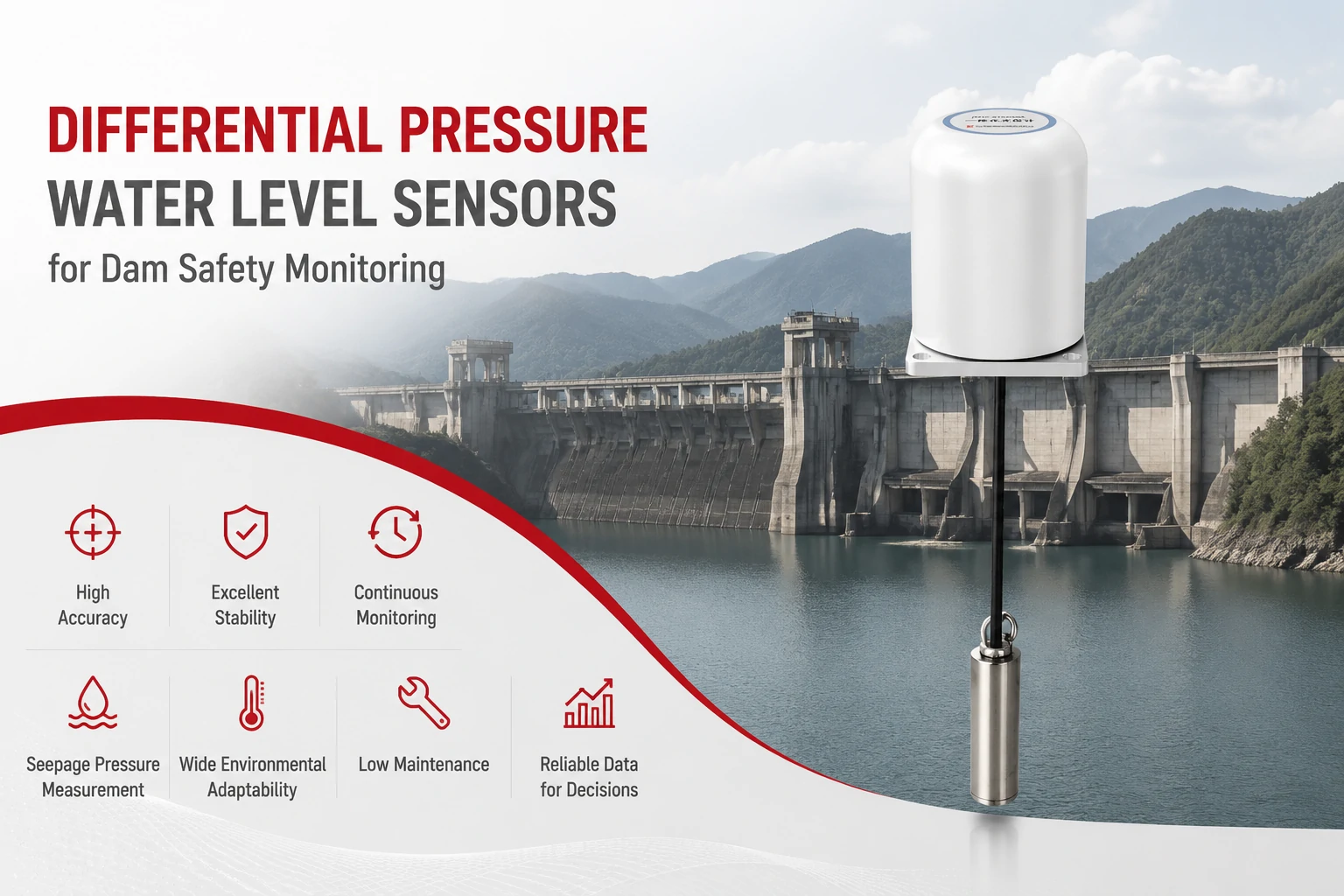
Key Takeaways The strongest fit is usually a confined, submerged, or s...
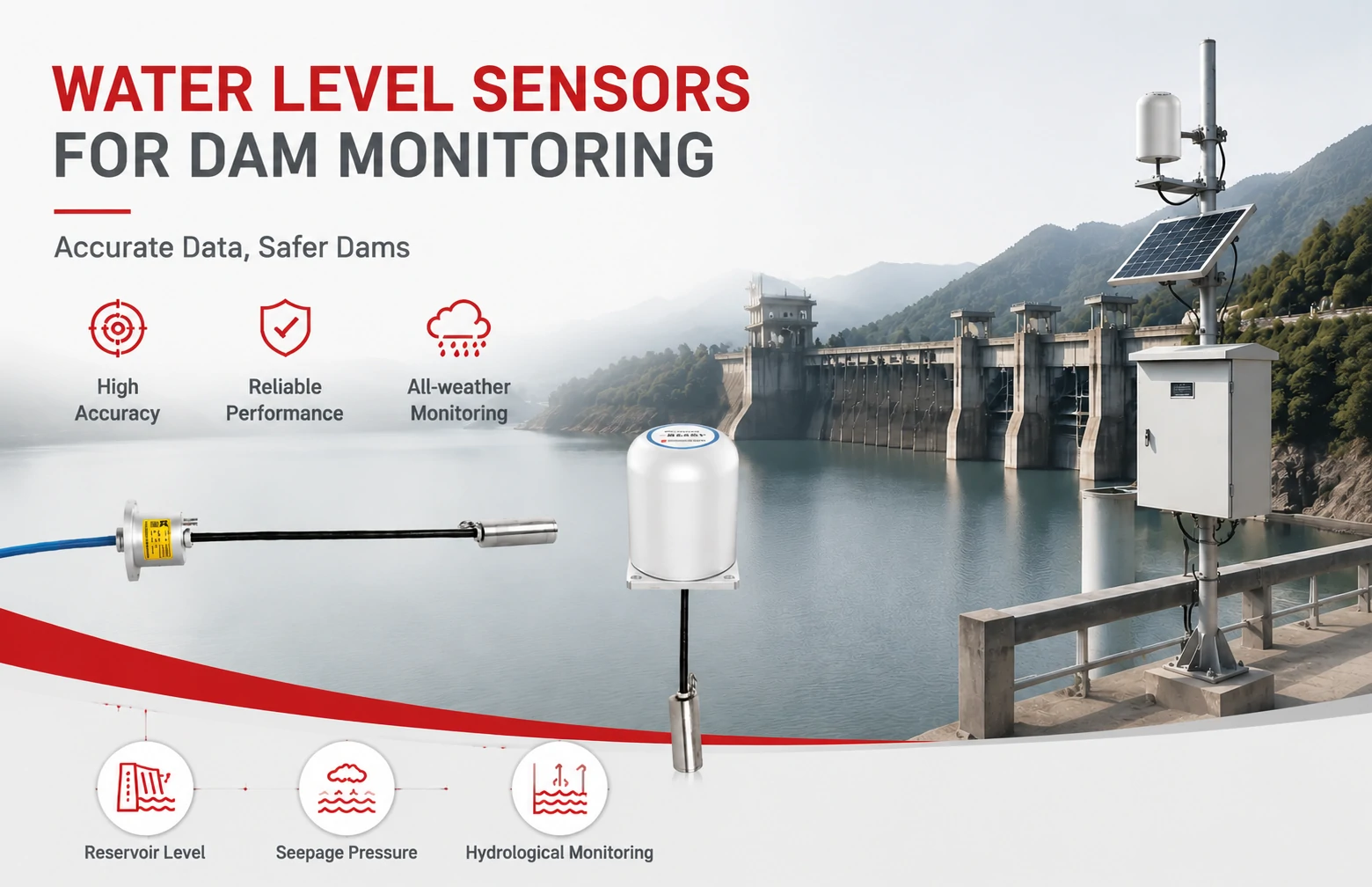
Kingmach Water Level Sensors for Dam Monitoring: A Buyer's Guide to Differential Pre...
Products
FAQ
The range includes vibrating wire strain gauges, MEMS tilt sensors, displacement transducers, crack meters, pressure cells, and accelerometers. Technologies like fiber optic sensing are also available for projects needing distributed measurements.
Yes, custom orders cover changes to cable lengths, connector types, mounting hardware, output signals, and environmental sealing. In some cases, the team redesigns internal components to meet specific range or frequency requirements.
Many sensors are tested for ingress protection up to IP68 and temperature ranges from -20°C to 80°C. Real-world use includes long-term submersion in reservoirs and exposure to freeze-thaw cycles without data degradation.
Support includes help with installation, calibration verification, and troubleshooting. Remote diagnostics are common, and on-site assistance can be arranged through local distributors for larger projects.
Share your product type, target capacity, and application requirements. Our team can review the details and recommend a practical next step.
If you are interested in our products or want to become our partner.
Please leave your contact information, our team will contact you as soon as possible.
Mail: [email protected]
Contact Us: +8613808434127
Address: No. 188 Tongzipo West Rd, Changsha, Hunan, China