
 EN
EN
 ar
ar bg
bg hr
hr cs
cs da
da nl
nl fi
fi fr
fr de
de el
el hi
hi it
it ko
ko no
no pl
pl pt
pt ro
ro ru
ru es
es sv
sv tl
tl iw
iw id
id lv
lv lt
lt sr
sr sk
sk sl
sl uk
uk vi
vi et
et hu
hu th
th tr
tr fa
fa ms
ms hy
hy ka
ka ur
ur bn
bn mn
mn ta
ta kk
kk uz
uz ku
ku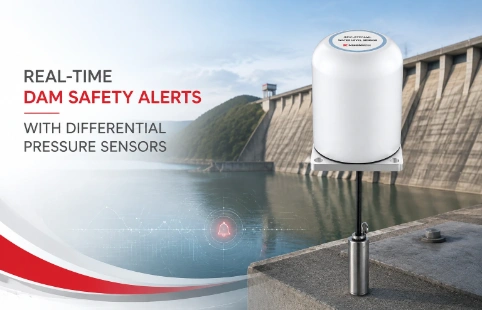
Real-Time Dam Safety Alerts with Differential Pressure Water Level Sensors
Key Takeaways An alert chain needs more than a sensor: define field in...

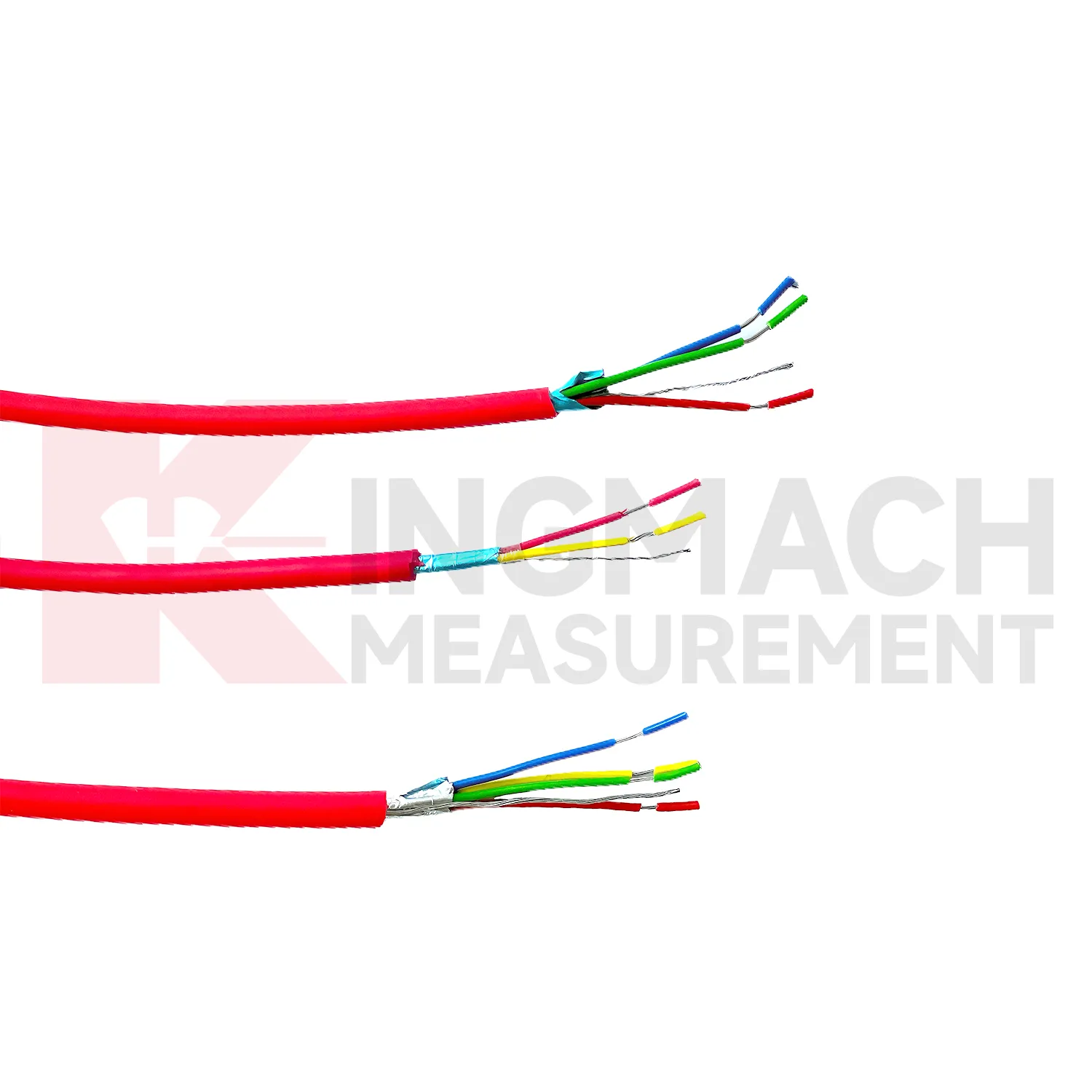
Shielded Hydrological Cables for Reliable Data in Wet Environments
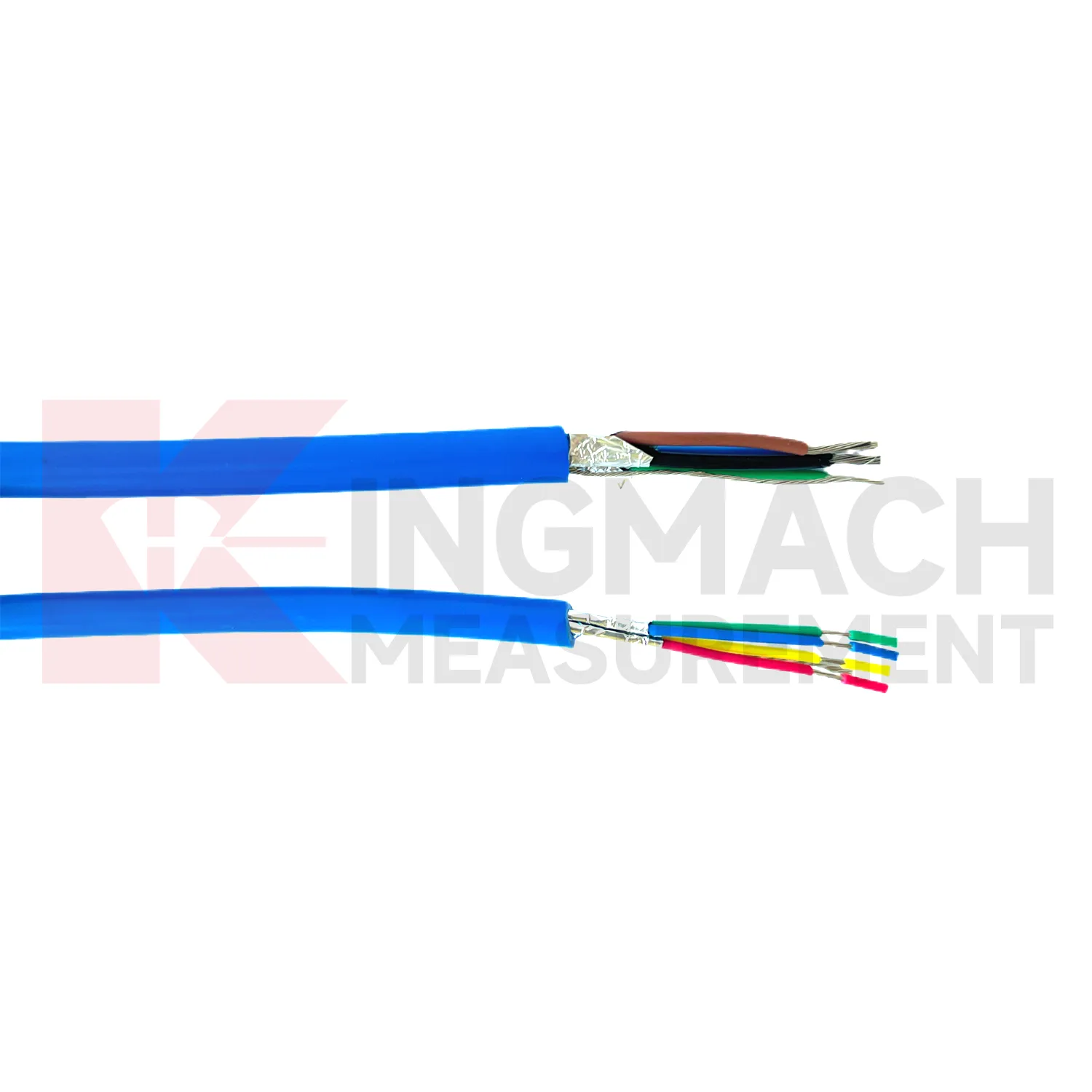
A hydrological monitoring network is only as good as its weakest link. That link is often the cable connecting the sensor to the data logger. When a signal degrades or drops out entirely, troubleshooting in remote or submerged installations wastes time and money. Shielded hydrological cables are built to keep that link solid, even in the noisiest electrical environments near pumps, motors, or power lines. Kingmach supplies these cables specifically for groundwater and surface water projects, where they connect our pressure transducers, water quality sondes, and level sensors to the surface. The shielding keeps 4-20 mA, SDI-12, or RS-485 signals clean, while the jacket shrugs off constant immersion, temperature swings, and abrasion. Choosing the right cable upfront means less data loss and fewer site visits later.
Technical Detail
Shielded hydrological cables from Kingmach are designed to deliver clean, uninterrupted data in the field. A typical construction pairs multiple tinned-copper conductors with a drain wire, wrapped in an aluminum foil and braided shield that rejects RF and electromagnetic interference. This means your water level or quality readings stay accurate whether the cable runs past a pump starter or alongside power conduits. The outer jacket uses hydrolysis-resistant polyurethane or polyethylene, selected for long-term submersion in rivers, wells, and tanks. Some versions include a pressure-compensating tube for vented gauge sensors, and custom builds can incorporate Kevlar strength members for deployments where the cable bears the instrument's suspended weight. Kingmach's manufacturing flexibility allows us to supply cables in pre-terminated lengths with industry-standard connectors, or on bulk spools with stripped and tinned leads. Matching the connector pinout, conductor count, and jacket material to your exact monitoring environment avoids field splicing and reduces installation headaches. We stock common configurations for popular sensor brands, and our technical team routinely helps engineers select shielding coverage, jacket thickness, and conductor gauge based on the site's electrical noise survey and water chemistry. Applications range from pumping test setups and landfill leachate monitoring to tidal gauge stations and reservoir profiling. Global distribution means we can ship test lengths quickly, and after-sales support includes guidance on routing, grounding the shield at one end only, and troubleshooting intermittent faults. By treating the cable as a critical component rather than an afterthought, operators get consistent data streams and fewer midnight callouts.
News
Key Takeaways An alert chain needs more than a sensor: define field in...
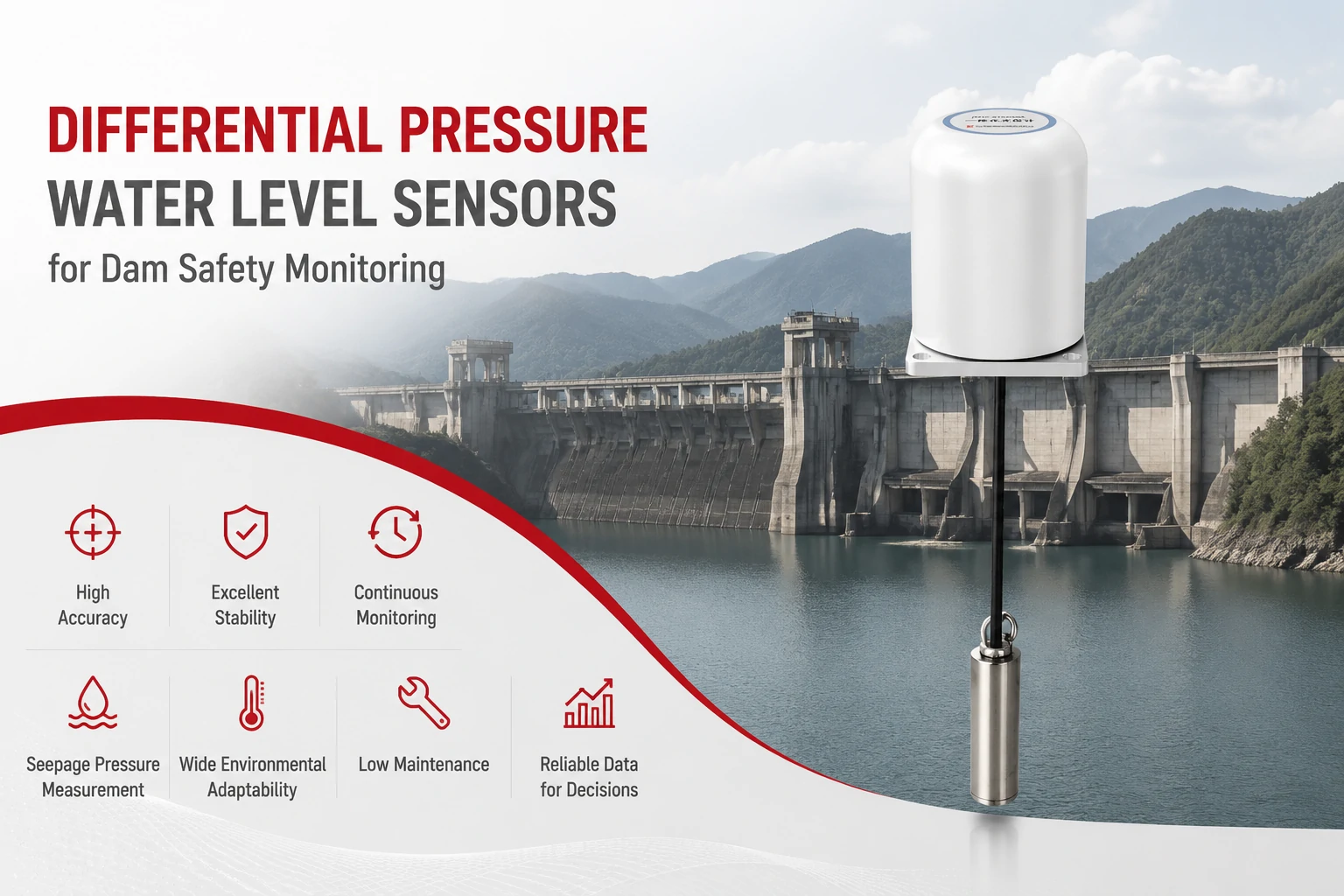
Key Takeaways The strongest fit is usually a confined, submerged, or s...
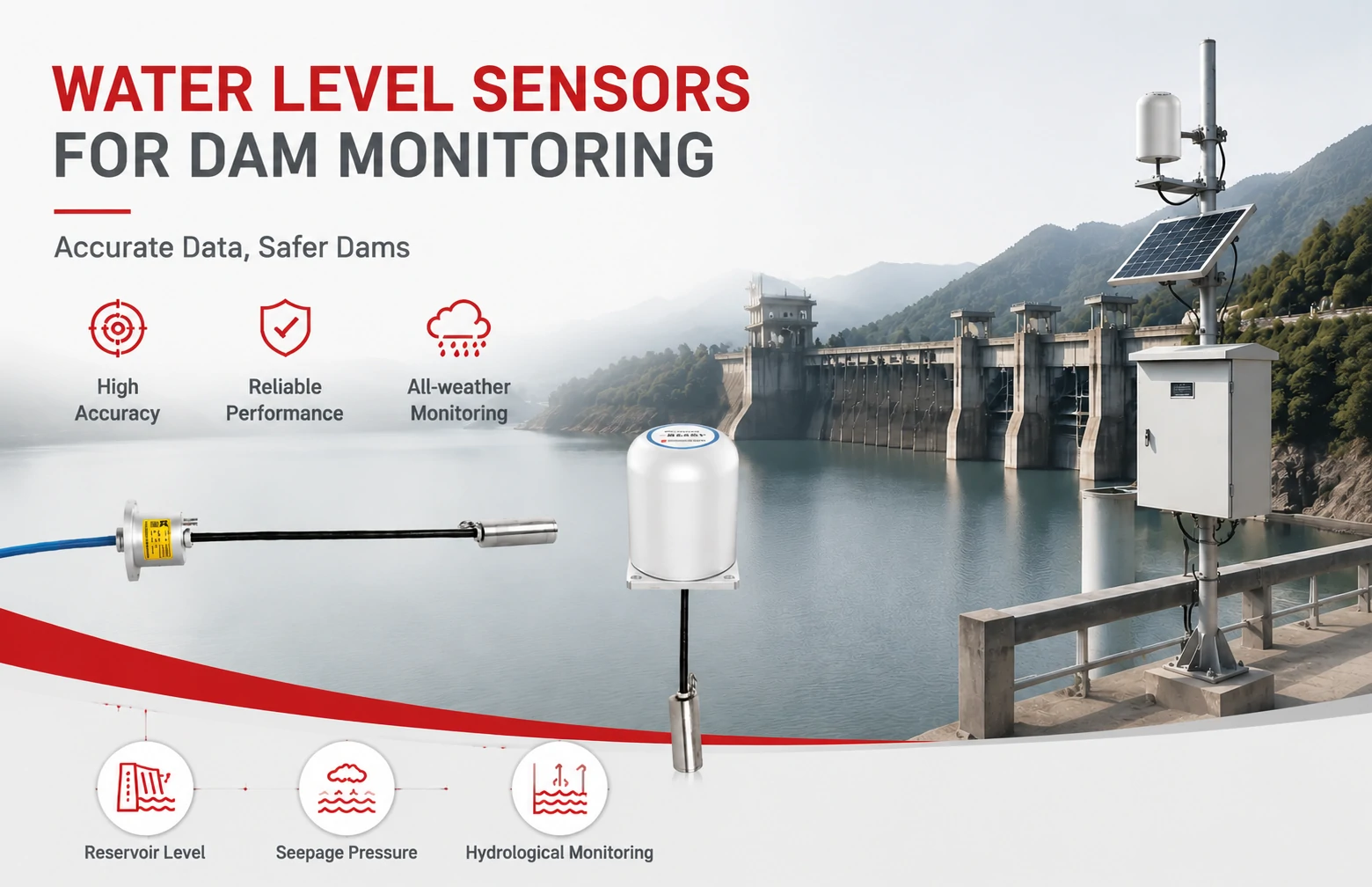
Kingmach Water Level Sensors for Dam Monitoring: A Buyer's Guide to Differential Pre...
Products
FAQ
The shield blocks signals from nearby motors, radios, and power lines that would otherwise couple onto the sensor conductors. This lowers the noise floor, so small changes in water pressure or conductivity aren't masked by electrical interference. In practice, you see smoother trend lines and fewer data spikes.
Often yes, if the connector and pin assignments match. We can build hybrid cables that feed power and signal to multiple instruments downhole, provided they share a common ground and voltage. Tell us your sensor models and we’ll check compatibility.
We recommend a polyurethane jacket with a high strand-count copper for the conductors. For extreme flex life, a coiled or reinforced section near the termination point reduces strain. We've supplied cables for buoy-mounted sensors that experience millions of bending cycles without failure.
No. For analog and low-frequency digital signals, best practice is to ground the shield at the data logger end only. This prevents ground loops that can actually induce hum. We include a drain wire for easy termination and will advise on proper grounding during installation.
Absolutely. Vented cables have a small-diameter tube inside the jacket that keeps the sensor's reference port at atmospheric pressure. These are common in shallow water applications. We supply them with desiccant chambers at the logger end to prevent moisture ingress.
Share your product type, target capacity, and application requirements. Our team can review the details and recommend a practical next step.
If you are interested in our products or want to become our partner.
Please leave your contact information, our team will contact you as soon as possible.
Mail: [email protected]
Contact Us: +8613808434127
Address: No. 188 Tongzipo West Rd, Changsha, Hunan, China