
 EN
EN
 ar
ar bg
bg hr
hr cs
cs da
da nl
nl fi
fi fr
fr de
de el
el hi
hi it
it ko
ko no
no pl
pl pt
pt ro
ro ru
ru es
es sv
sv tl
tl iw
iw id
id lv
lv lt
lt sr
sr sk
sk sl
sl uk
uk vi
vi et
et hu
hu th
th tr
tr fa
fa ms
ms hy
hy ka
ka ur
ur bn
bn mn
mn ta
ta kk
kk uz
uz ku
ku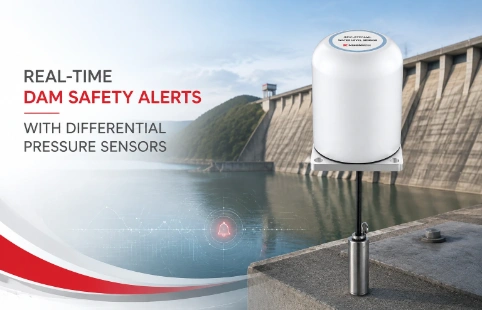
Real-Time Dam Safety Alerts with Differential Pressure Water Level Sensors
Key Takeaways An alert chain needs more than a sensor: define field in...

Dynamic Signal Data Logger: Key Technical Details
A data logger that handles dynamic signals has to keep up with fast-changing measurements—vibration, strain, pressure—without dropping samples or introducing noise. The kind of work it does shows up in bridge monitoring, rotating machinery tests, and seismic surveys. Choosing one means looking past the datasheet headline and into how it handles real-world sensor interfaces, sample rates, and data throughput. For engineers piecing together a monitoring system, the compatibility list often matters as much as the bit resolution. This page lays out what to look for in a dynamic signal data logger and how those specs translate to field use. We’ll cover the typical technical parameters that affect measurement quality and system integration, without the marketing fluff.
Technical Detail
Kingmach provides dynamic signal data loggers as part of a wider geotechnical and structural monitoring portfolio. These devices are built to capture signals from accelerometers, strain gauges, load cells, displacement sensors, and similar transducers. Typical input configurations support IEPE (ICP®) sensors with constant current excitation, as well as voltage, current, and full-bridge inputs. Sampling rates usually range from a few hundred samples per second up to 50 kHz or more per channel, depending on the model, with 24-bit ADCs being a common standard for good dynamic range. Channel counts go from 4 to 32 on mainstream units, and multiple devices can be synchronized for larger setups. Data can be streamed to a PC over USB or Ethernet, and many loggers include onboard storage (SD card or solid state) for standalone operation. Triggering options normally cover software, external TTL, and level triggers on any input channel—useful when you need to capture events like sudden load spikes. Software typically provides real-time FFT, time-history display, and data export to formats like CSV, MATLAB, or UFF. For long-term monitoring, power consumption and the ability to wake-and-log become important. Since every project has its own sensor mix and cabling constraints, Kingmach can tailor the logger’s input types, connector panels, and enclosure ratings to match the job. Technical support covers sensor integration checks and on-site commissioning help where needed. If your monitoring plan calls for specific sampling strategies or custom triggers, that’s something we can discuss early to avoid field surprises.
News
Key Takeaways An alert chain needs more than a sensor: define field in...
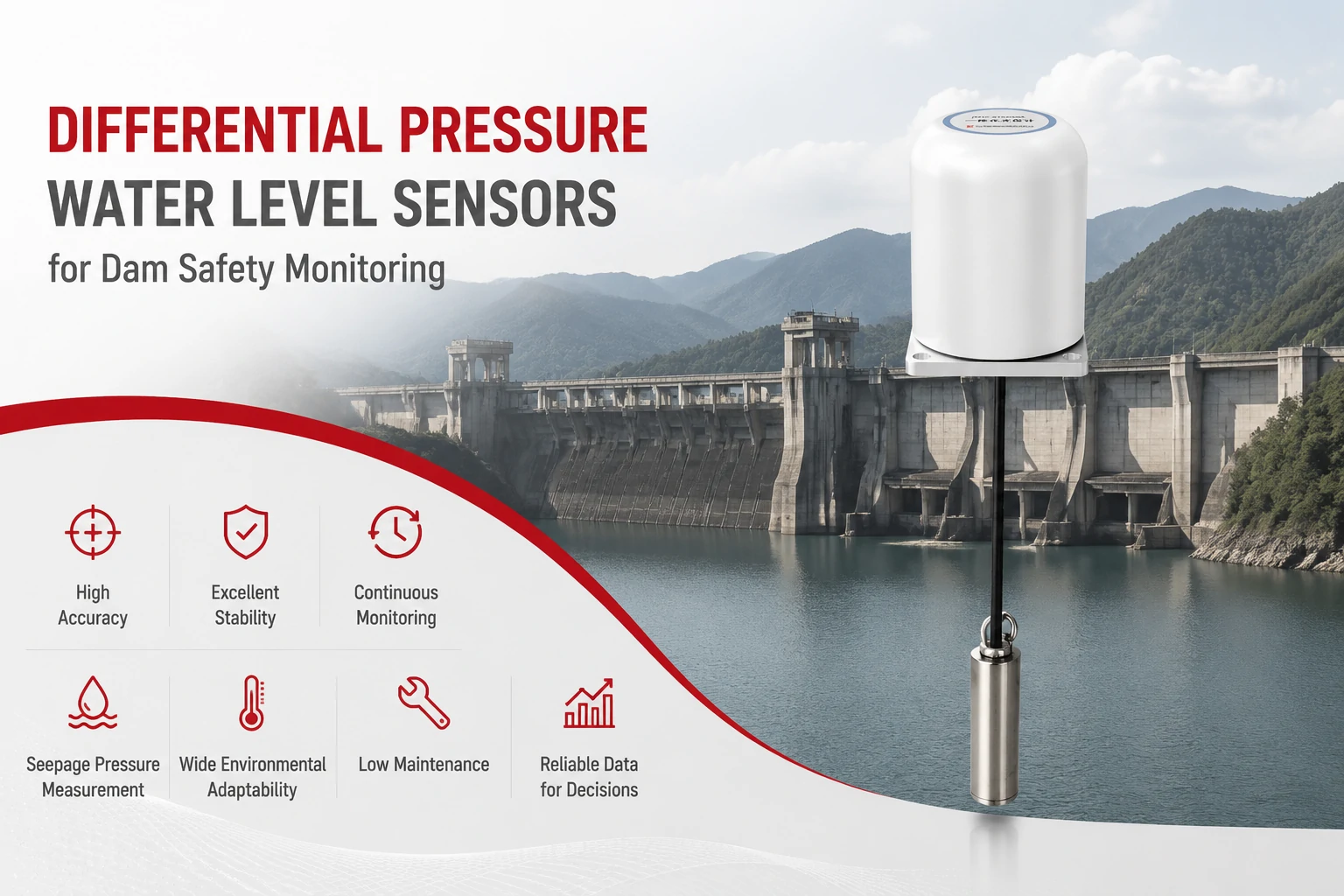
Key Takeaways The strongest fit is usually a confined, submerged, or s...
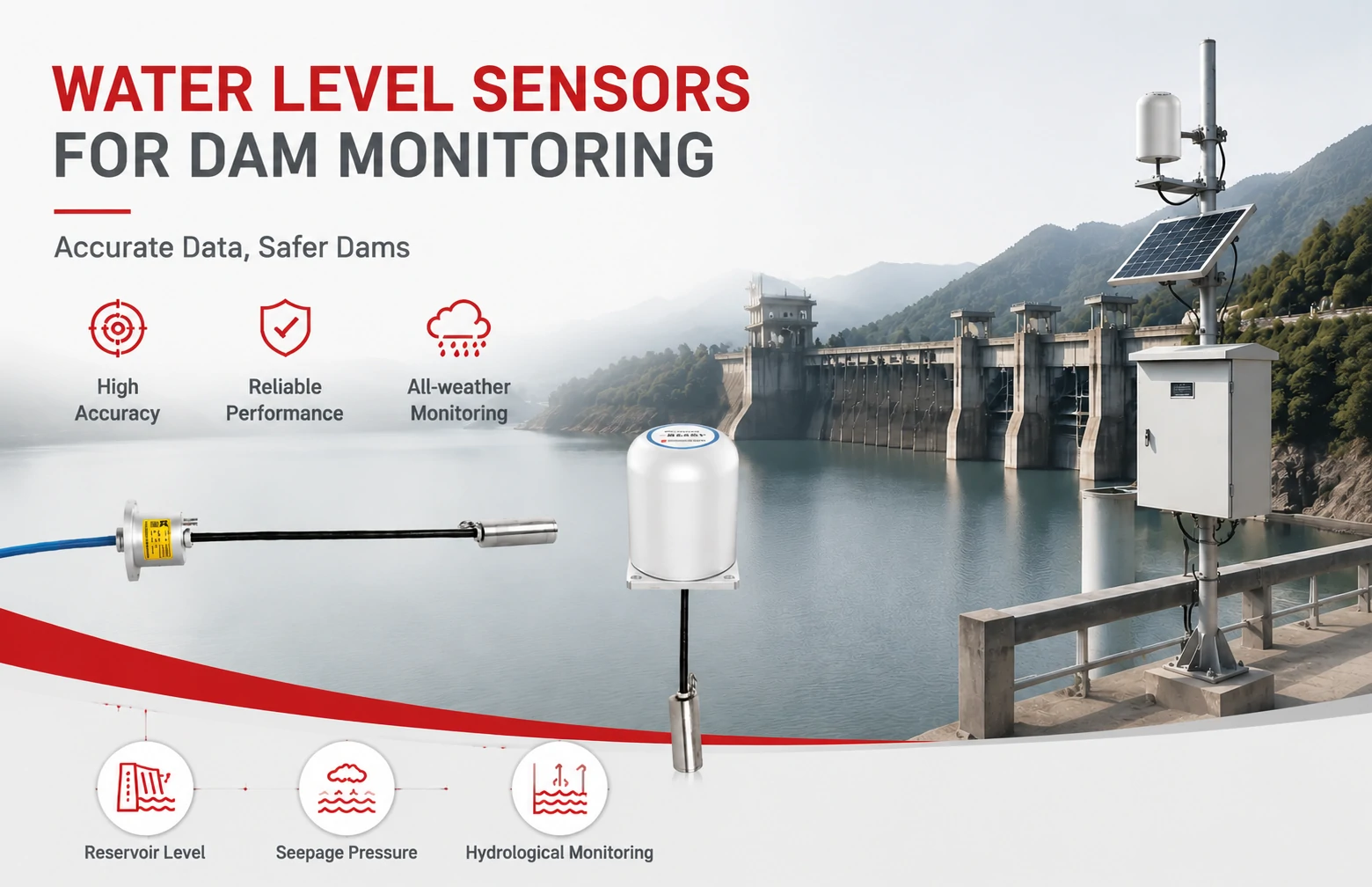
Kingmach Water Level Sensors for Dam Monitoring: A Buyer's Guide to Differential Pre...
Products

Wireless Data Logger (low power consumption design) JMWX-5RTU
View Details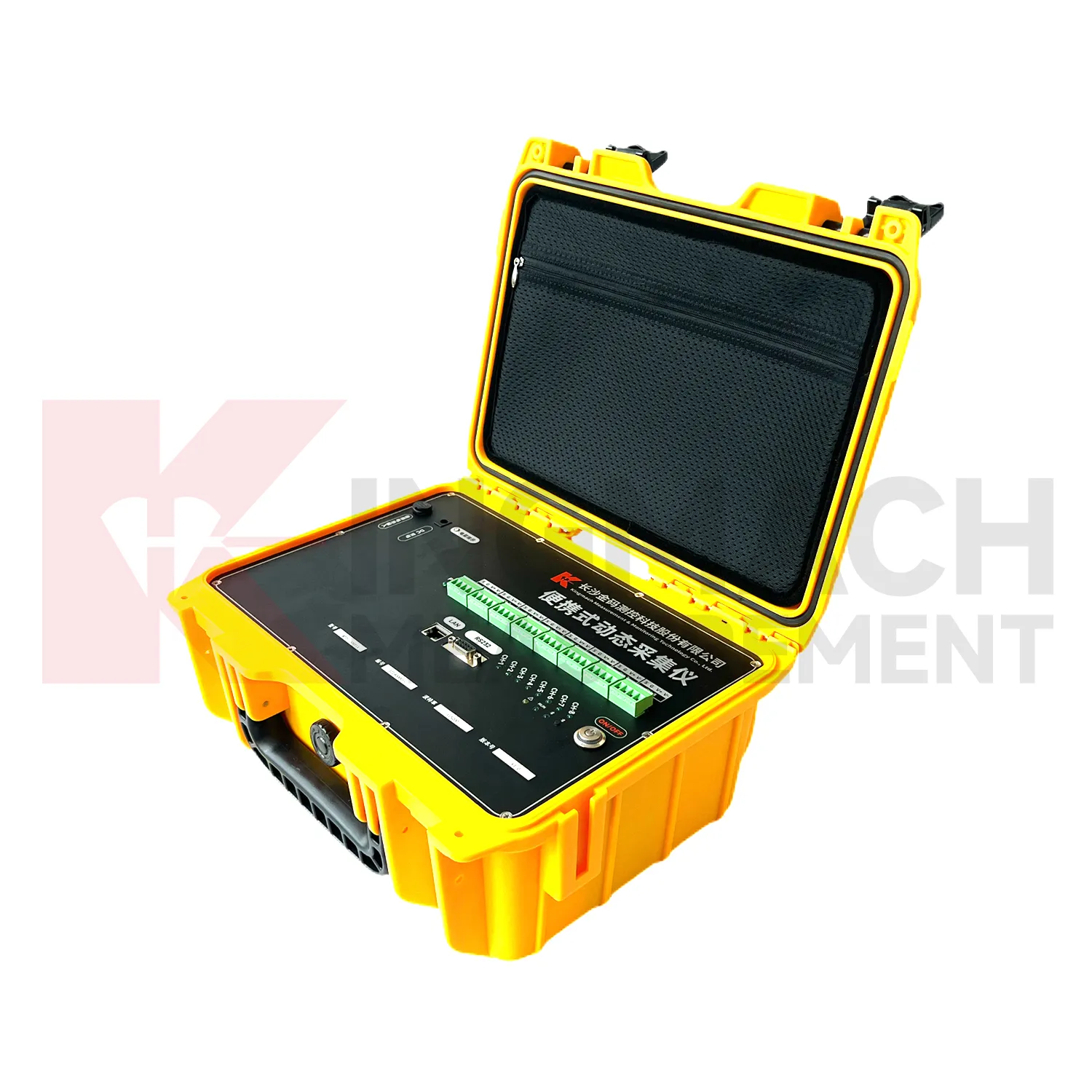
Portable Dynamic Signal Acquisition Readout JMYS-1008BX
View Details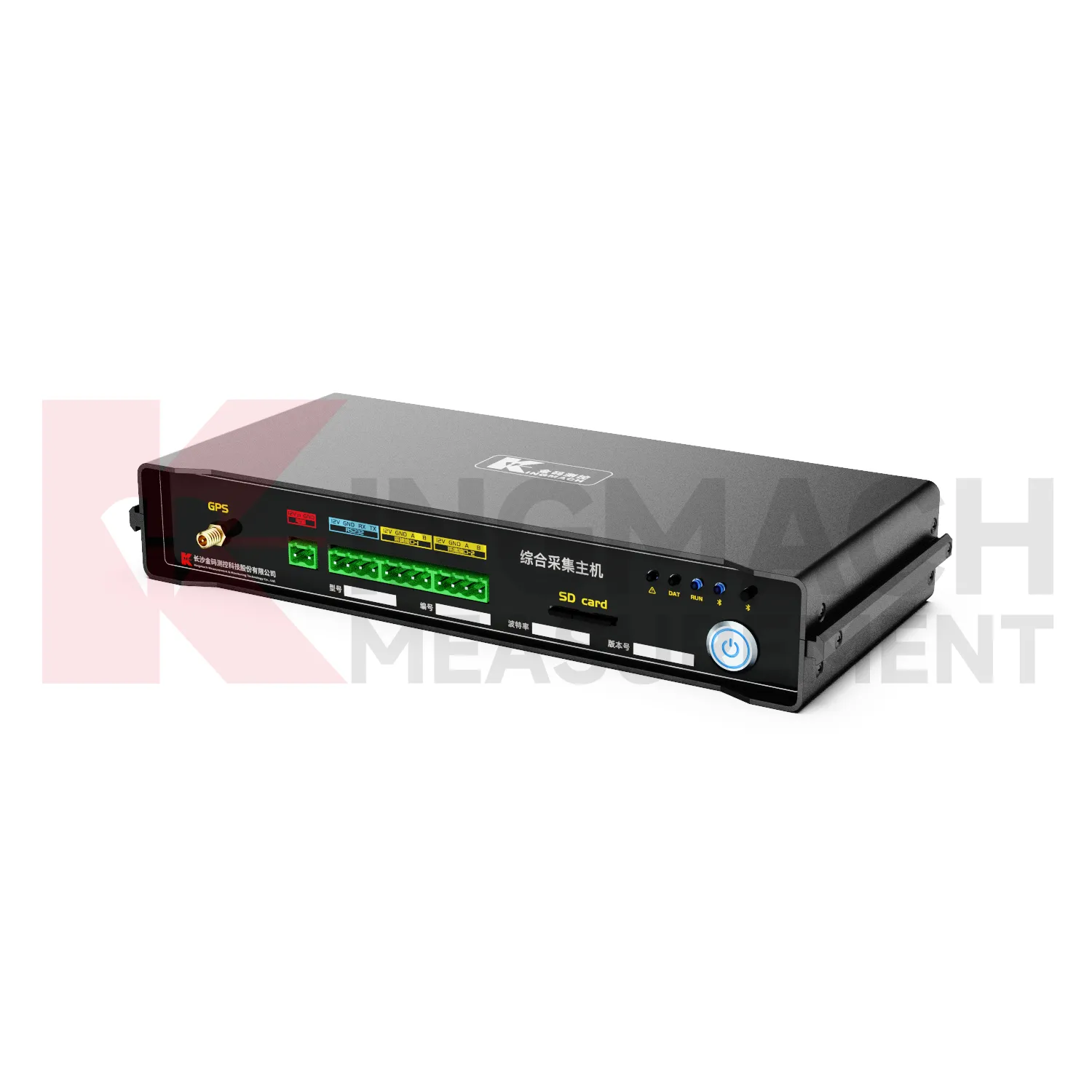
Comprehensive Acquisition Host Unit JMZX-5ZH
View DetailsFAQ
That depends on the highest frequency you want to capture. A rule of thumb is to sample at least 5 to 10 times faster than the maximum frequency of interest. For structural vibration, 1–2 kHz per channel is often enough; for impact testing or acoustic emission, you may need 50 kHz or more. We usually help match the logger to your sensor bandwidth so you’re not paying for sampling speed you won’t use.
Yes, many dynamic signal loggers support multiple input modes per channel—voltage, IEPE, bridge—but not always on every channel simultaneously. It’s a matter of how the front-end is configured. When we know your sensor list, we can specify a unit that lets you switch modes channel by channel or assign fixed types to specific channels.
Most loggers stream data to a PC or store it on removable media like SD cards. File size limits depend on the file system (FAT32 caps at 4 GB per file), but ring-buffer recording is common—it overwrites the oldest data when the card fills up. For setups that run for weeks, we look at compression and selective triggering to keep storage manageable.
Units with Ethernet can usually be accessed over a local network, and with port forwarding or a VPN, remote access is doable. Some loggers have optional 4G modules for sites without wired internet. The crucial part is the software stack: we make sure the user interface works smoothly over limited bandwidth, which isn’t always the case with raw data streaming.
We often provide wiring diagrams and grounding guidelines specific to the logger’s input stage. If you’re seeing unexpected noise, common fixes involve checking shield connections, avoiding ground loops, and setting the right input coupling. For larger deployments, we can send a field engineer to verify signal quality on site.
Share your product type, target capacity, and application requirements. Our team can review the details and recommend a practical next step.
If you are interested in our products or want to become our partner.
Please leave your contact information, our team will contact you as soon as possible.
Mail: [email protected]
Contact Us: +8613808434127
Address: No. 188 Tongzipo West Rd, Changsha, Hunan, China