
 EN
EN
 ar
ar bg
bg hr
hr cs
cs da
da nl
nl fi
fi fr
fr de
de el
el hi
hi it
it ko
ko no
no pl
pl pt
pt ro
ro ru
ru es
es sv
sv tl
tl iw
iw id
id lv
lv lt
lt sr
sr sk
sk sl
sl uk
uk vi
vi et
et hu
hu th
th tr
tr fa
fa ms
ms hy
hy ka
ka ur
ur bn
bn mn
mn ta
ta kk
kk uz
uz ku
ku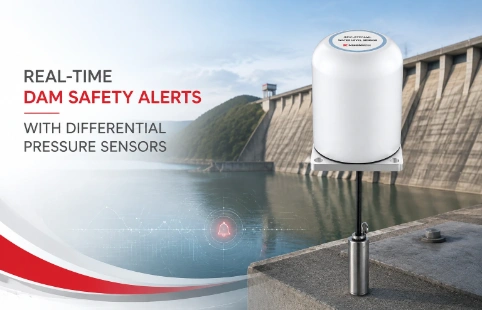
Real-Time Dam Safety Alerts with Differential Pressure Water Level Sensors
Key Takeaways An alert chain needs more than a sensor: define field in...

Axial Force Load Cell: Built for Field Monitoring
On a construction site, the numbers that matter are buried deep—in the piles, the anchors, the rock bolts. An axial force load cell turns that invisible stress into a clear signal, letting engineers track performance month after month. Kingmach has been supplying these sensors to monitoring projects worldwide, from bridge foundations to retaining walls. We’re not chasing lab accolades; we’re making instruments that survive the mud, the rain, and the years. Each load cell comes out of a production line that covers a wide range of geotechnical tools, so we understand how one reading affects the next. You tell us your load range and environment, and we’ll put together a configuration that fits. Whether you’re instrumenting a test pile or monitoring a permanent anchor, the data stays consistent because the sensor design handles temperature swings and eccentric loads. And when a project veers off the typical spec sheet, our engineering team adjusts the dimensions, cable length, or output signal to match.
Technical Detail
Axial force load cells from Kingmach are designed around a straightforward principle: turn a known load into a precise electrical output, then make sure that output arrives cleanly. The sensing element uses bonded foil strain gauges in a Wheatstone bridge configuration, with temperature compensation built into the circuit. The body—typically a cylinder of high-strength alloy steel or stainless—gets machined to combine stiffness with sensitivity, so you aren’t trading one for the other. We offer both solid designs for compression-only use and center-hole versions that let a tie-rod or anchor pass through, opening up tension and compression monitoring. These load cells show up most often on deep foundation jobs: static pile load tests, pile head monitoring during excavation, anchor pull-out tests, strut forces in excavations. But they also fit into heavy civil structures like bridge bearings and tunnel linings. Output options range from simple millivolt-per-volt signals for direct connection to strain gauge readouts, to amplified 4-20 mA or RS485 outputs for longer cable runs and noisy electrical environments. Because we manufacture a whole suite of geotechnical sensors—piezometers, inclinometers, settlement systems—we can help you put together a monitoring package that talks to a single datalogger. Each project has its own constraints. That’s why we keep in-house machining and calibration. If a standard capacity or dimension doesn’t line up, we can adjust the load range, add a load column, or tweak the mounting thread. Our technical team stays involved from selection through installation, with remote support and on-site guidance available through our distribution network. It’s not about selling a catalog part; it’s about making the measurement work the first time.
News
Key Takeaways An alert chain needs more than a sensor: define field in...
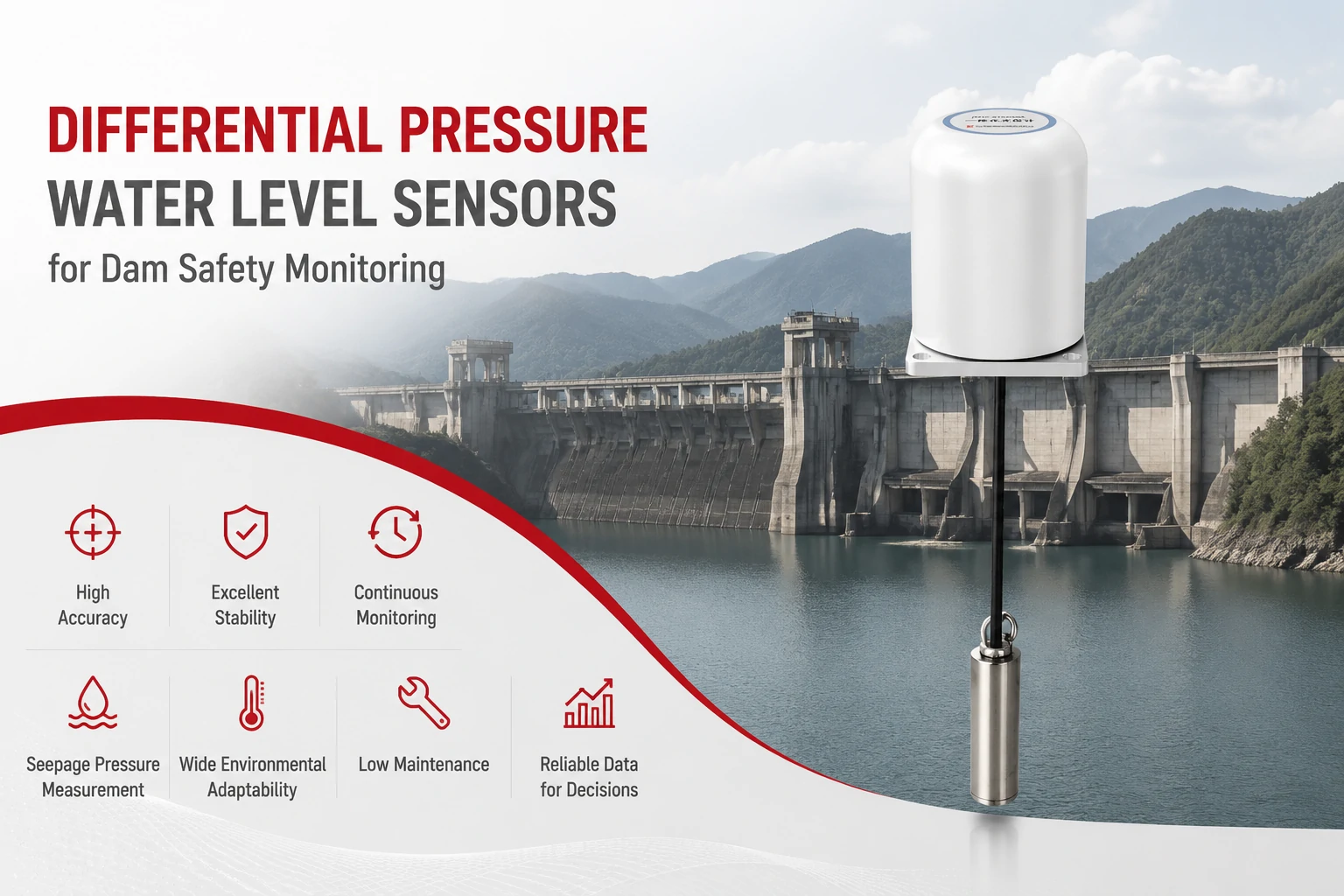
Key Takeaways The strongest fit is usually a confined, submerged, or s...
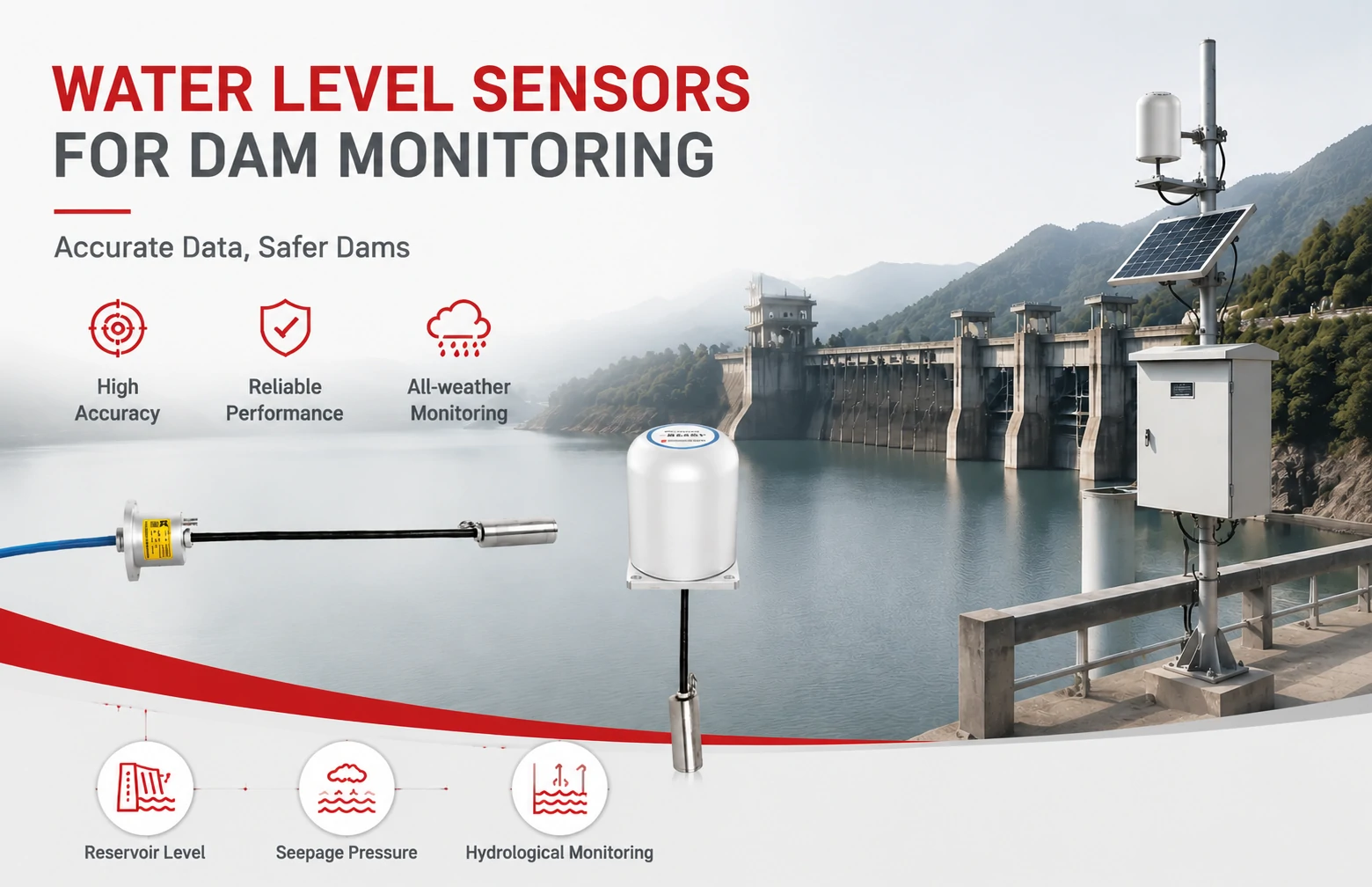
Kingmach Water Level Sensors for Dam Monitoring: A Buyer's Guide to Differential Pre...
Products
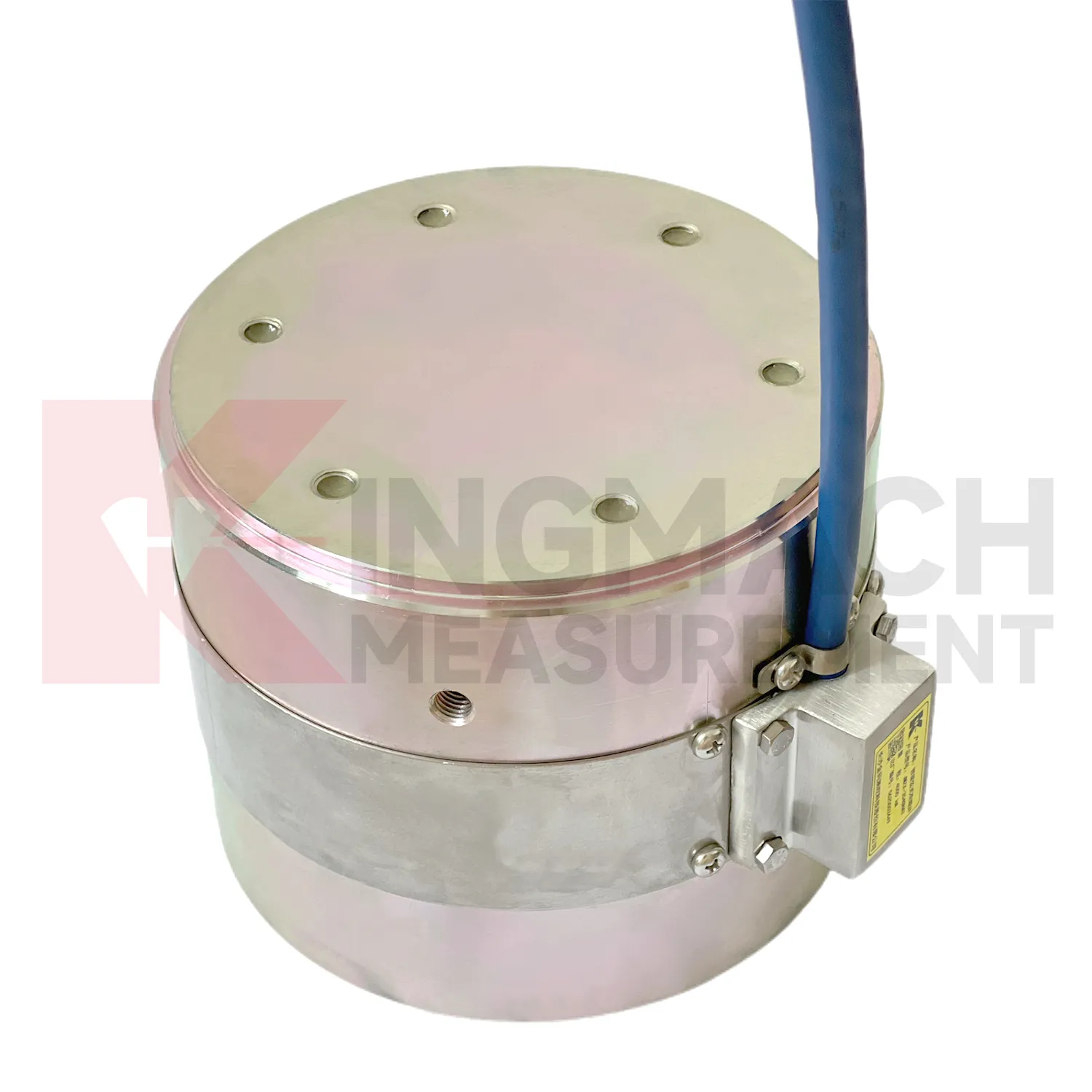
Solid load cell JMZX-34XXHAT、35XXHAT、36XXHAT
View Details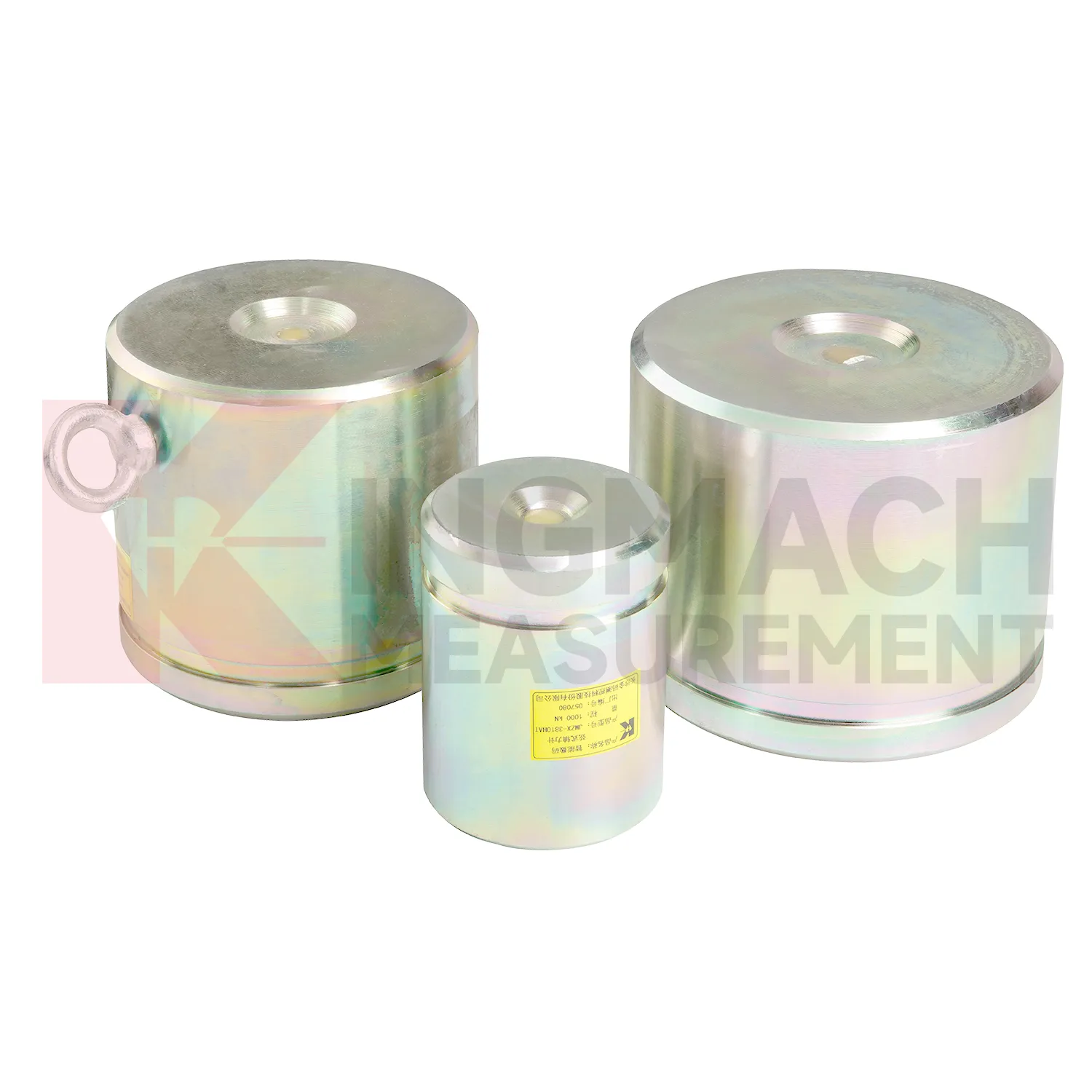
Axial Force Load Meter ( VW & Smart Type)JMZX-38XXHAT
View Details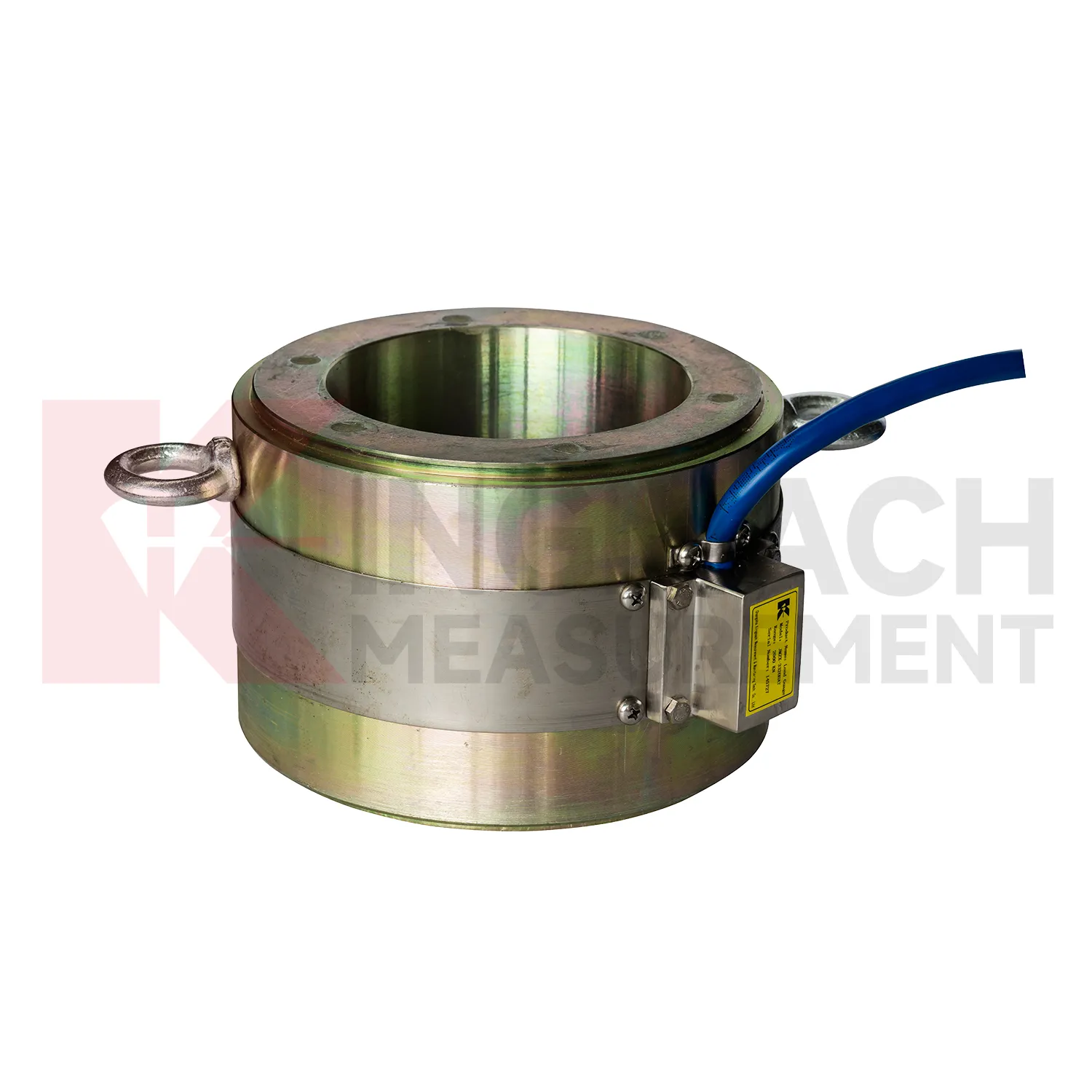
FAQ
Most of our load cells meet a combined error of less than 0.5% of full scale, but this depends on the specific model and your load range. We calibrate each unit before shipping and provide the calibration certificate.
Standard solid designs are intended for compression only, unless tension loading is applied through a specially designed load cap or column. For applications requiring both, a center-hole load cell with a tension adapter is the more common choice.
Our load cells come sealed to IP67 or higher, with double O-ring cable entries. For fully submerged or long-term burial, we can add additional sealing and corrosion-resistant materials. We also recommend using a robust cable that resists moisture ingress.
Yes, we build our sensors to share common output standards. A single datalogger from our range can handle inputs from load cells, vibrating wire piezometers, and inclinometers, simplifying your data management.
Share your product type, target capacity, and application requirements. Our team can review the details and recommend a practical next step.
Related Keywords
If you are interested in our products or want to become our partner.
Please leave your contact information, our team will contact you as soon as possible.
Mail: [email protected]
Contact Us: +8613808434127
Address: No. 188 Tongzipo West Rd, Changsha, Hunan, China