
 EN
 ar
 bg
 hr
 cs
 da
 nl
 fi
 fr
 de
 el
 hi
 it
 ko
 no
 pl
 pt
 ro
 ru
 es
 sv
 tl
 iw
 id
 lv
 lt
 sr
 sk
 sl
 uk
 vi
 et
 hu
 th
 tr
 fa
 ms
 hy
 ka
 ur
 bn
 mn
 ta
 kk
 uz
 ku

strain gauge reader
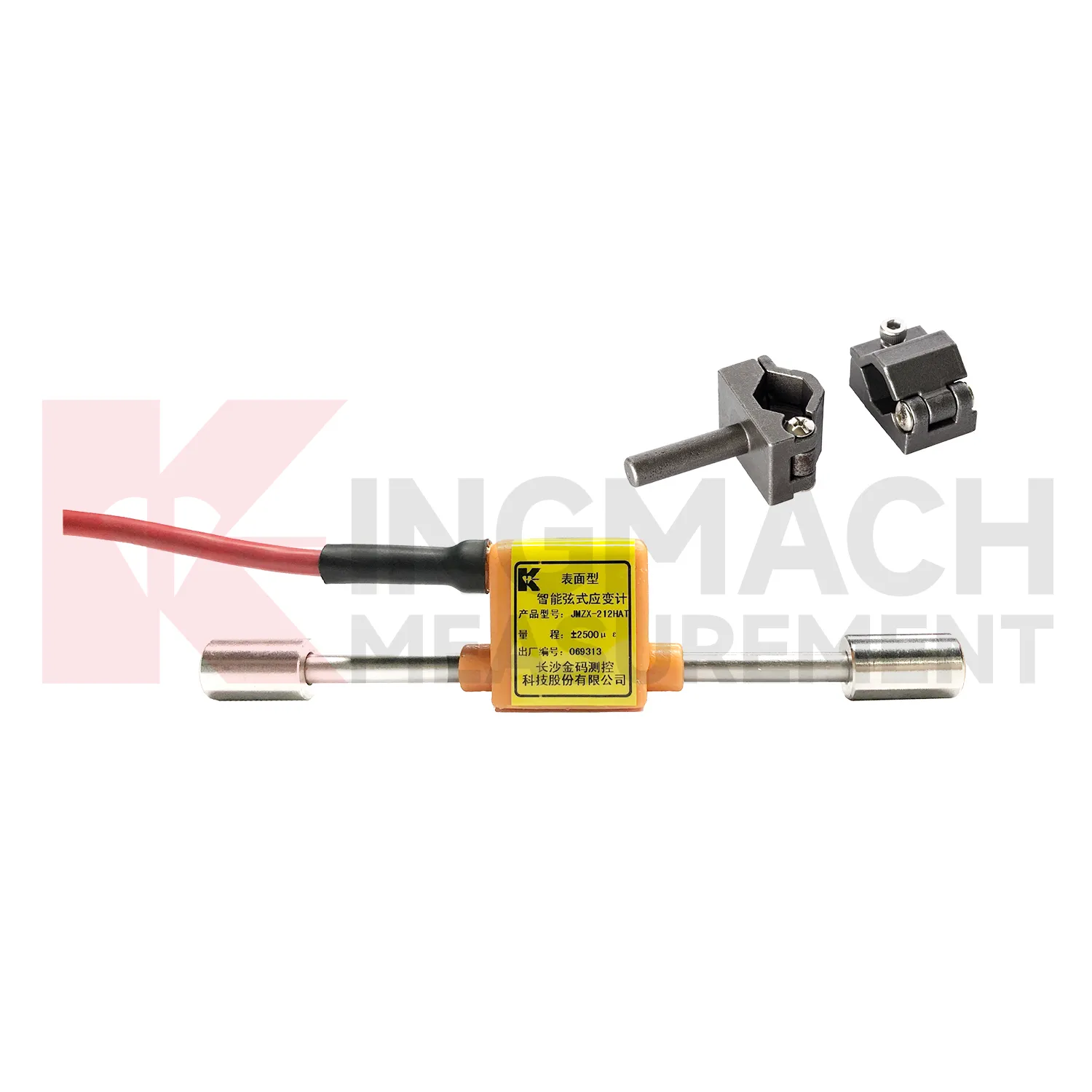
Kingmach {keyword} can be selected for different strain measurement tasks without changing the basic monitoring logic. For exposed concrete or steel surfaces, the JMZX-212HAT/HB model reads surface strain and supports temperature correction. For internal concrete behavior, the JMZX-215HA/215HAT/HB model is installed before pouring and monitors shrinkage, creep, and service strain. For steel structures, the JMZX-206HAT model uses spot welding and offers a -1500 to +2500 microstrain range. For reinforcement stress, the JMZX-4XXHAT/HB rebar strainmeter covers -200 MPa to 350 MPa. Kingmach pairs these instruments with readouts, acquisition systems, and monitoring platforms, allowing project teams to move from a single reading to a managed strain record across construction and operation. This supports several purchasing paths because the information remains product based while still covering manufacturer capability, supplier support, data acquisition, pressure sensing, force sensing, and structural monitoring needs. That is why model data, calibration values, and channel labels should travel with the product from procurement to commissioning. For field teams, those details also shape installation tools, spare cable length, readout selection, and protection work. They also help the owner decide whether manual reading, scheduled logging, or unattended monitoring is the better operating method.
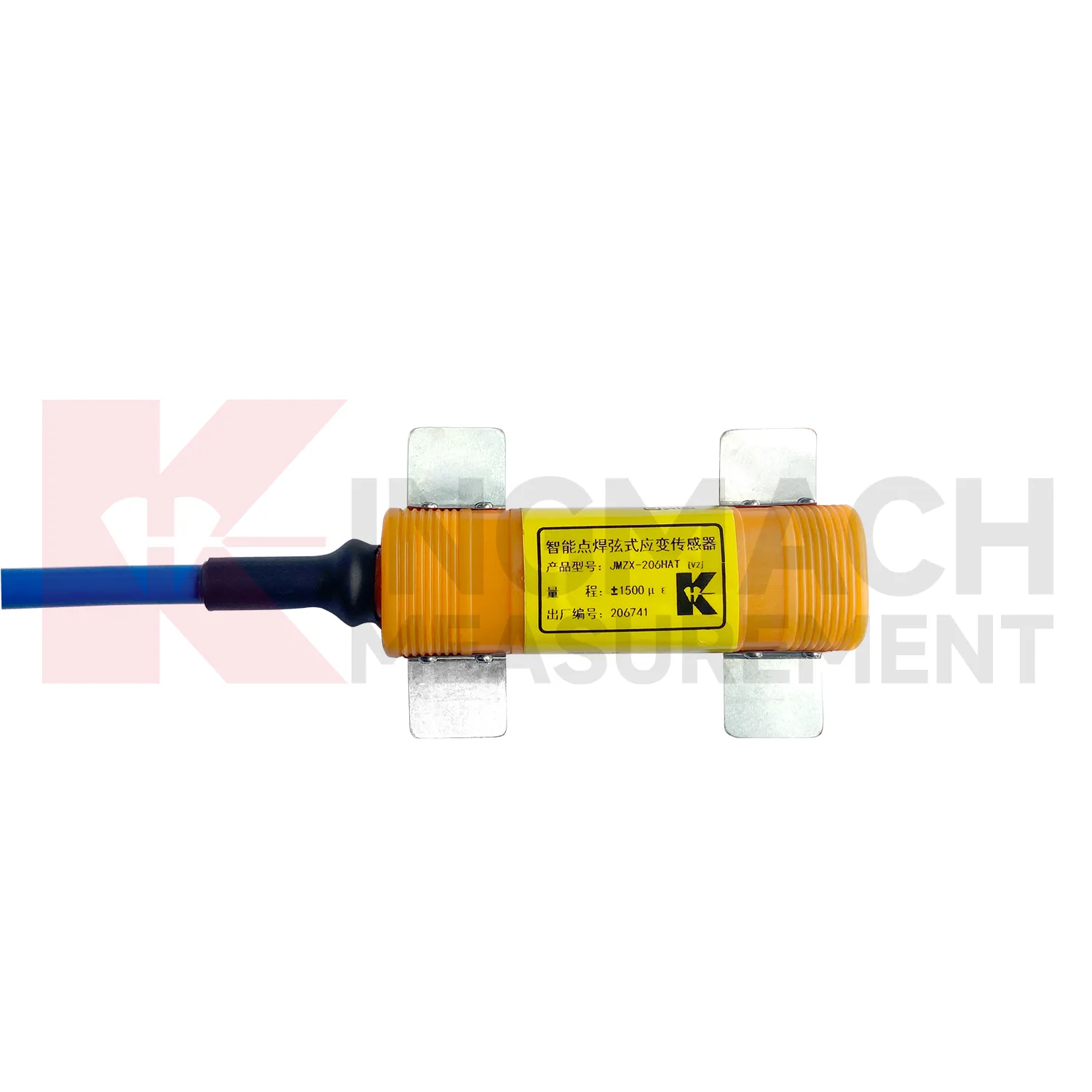
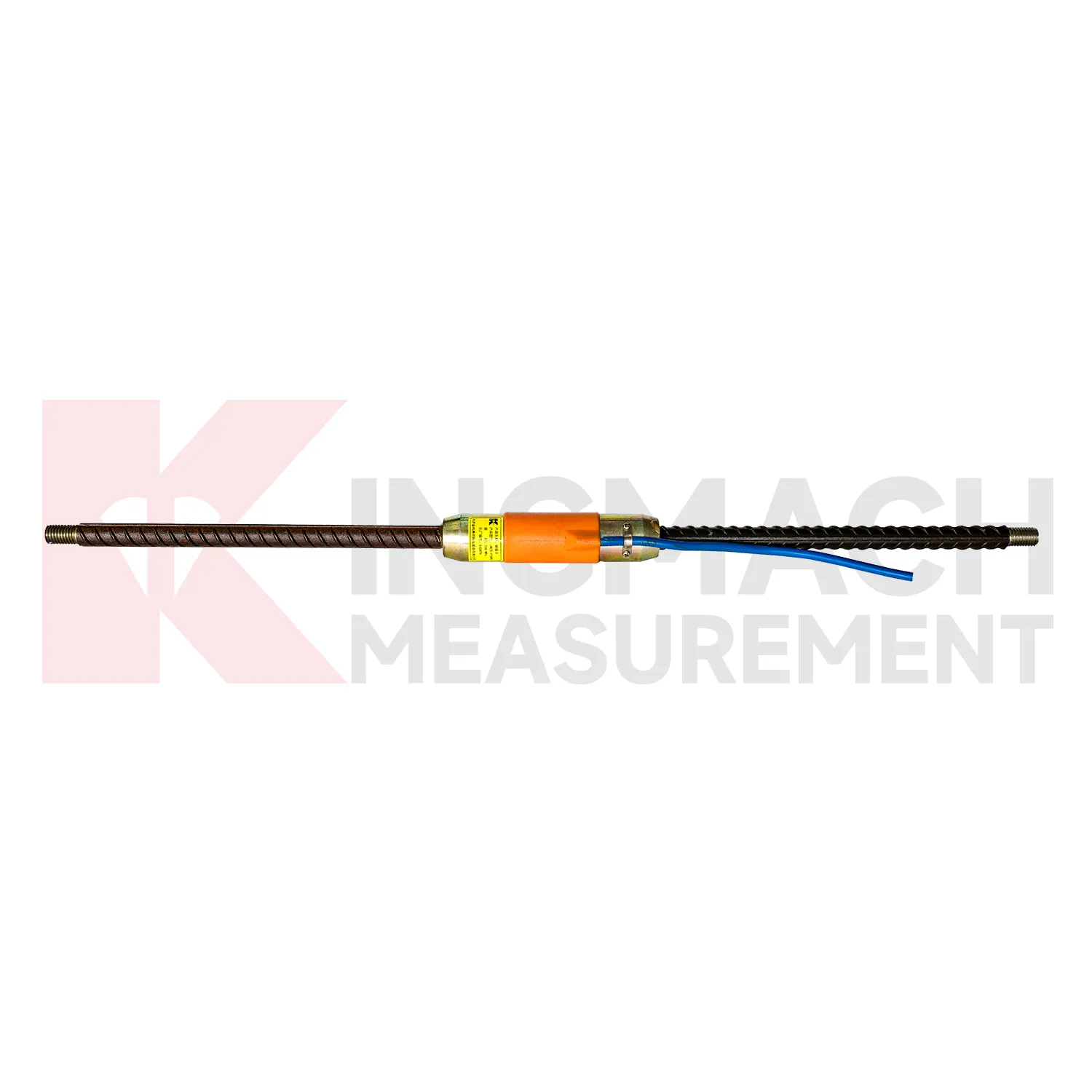
Application of strain gauge reader
In railway and subway projects, {keyword} is used to monitor strain in track support structures, station beams, tunnel linings, bridge approaches, concrete slabs, and steel components affected by repeated train loading. The main concern is fatigue and service performance under frequent dynamic loads. Kingmach JMZX-212HAT/HB surface models can read concrete or steel strain with ±2500 microstrain range and 0.5%F.S. accuracy, while JMZX-206HAT welded gauges suit steel beams, pipes, and support members with a -1500 to +2500 microstrain range. Long distance frequency signal transmission and strong anti interference performance are useful around rail power systems and busy construction sites. When combined with vibration, settlement, and displacement data, strain records help maintenance teams check whether structural behavior changes after traffic volume, repair work, or nearby excavation. The pain point is not only measuring strain once. It is keeping a defensible history through construction stages, seasonal movement, repair work, load changes, and maintenance decisions that may happen long after installation. The same record can support staged construction control, post event inspection, and long term maintenance planning. When data is collected automatically, engineers can compare daily movement instead of relying on occasional manual readings. This gives the project team a better way to separate normal behavior from a change that needs inspection.
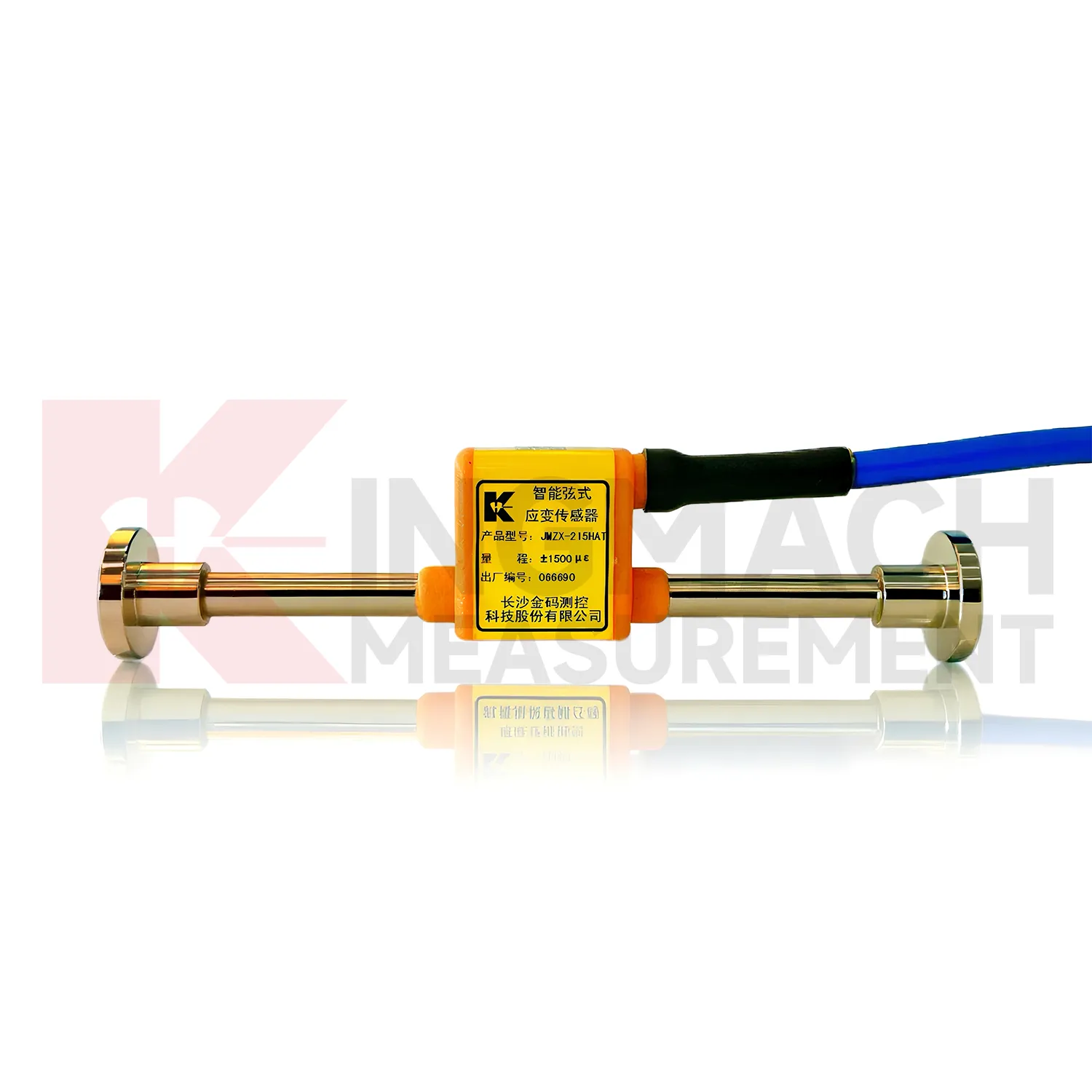
The future of strain gauge reader
For {keyword}, smarter data handling will matter as much as sensor hardware. Kingmach models already support frequency signal transmission, automated acquisition, and in some cases digital detection with stored model numbers, serial numbers, calibration coefficients, and up to 800 records. Future systems can use that identity data to reduce channel mix ups, connect sensors with digital twins, and improve alarm review. Instead of treating a strain alarm as a simple threshold event, platforms can compare strain with temperature, traffic load, reservoir level, excavation stage, or nearby displacement channels. AI warning analysis may help filter routine seasonal movement from abnormal stress change, but final judgment should stay with engineers who know the structure and site history. This trend will be strongest where owners need fewer site visits and cleaner records. Remote bridges, reservoirs, slopes, and rail corridors will benefit from better transmission, lower power hardware, and reliable edge storage. Those improvements fit long term infrastructure monitoring better than one time testing.
Care & Maintenance of strain gauge reader
For rebar based {keyword}, installation should avoid weakening the reinforced concrete member. Kingmach JMZX-4XXHAT/HB rebar strainmeters are designed so the sensing section has strength matching the corresponding measured steel bar. During installation, confirm bar size, connection method, waterproof protection, and cable routing before the concrete pour. The model covers -200 MPa to 350 MPa with 0.1 MPa sensitivity and 0.5%F.S. accuracy. During long term use, maintenance teams should review stress trends together with concrete age, load changes, settlement, seepage, and temperature. If a channel drops out, check the junction box and cable continuity first because the embedded rebar section is usually not serviceable without structural work. These steps reduce avoidable service calls and help engineers separate real structural behavior from wiring faults, water ingress, acquisition errors, or temperature effects. Compare suspicious readings with nearby channels before repair decisions. Keep these checks in the project log.
Kingmach strain gauge reader
{keyword} is used when a structure needs measured strain data instead of a visual guess. On steel, concrete, reinforcement, or a calibrated force element, it follows tiny deformation and turns that movement into a reading that engineers can compare over time. Kingmach applies this measurement approach in bridges, tunnels, dams, railways, buildings, slopes, and wind towers, where strain changes often appear before visible damage. The product family can cover surface mounted sensors, embedded vibrating wire gauges, weldable steel structure models, and rebar strainmeters. In day to day monitoring, the value is practical: engineers can see whether load transfer is normal, whether stress is concentrating near a joint, and whether long term service is changing the baseline. For project teams, the data path is as important as the sensor point: location records, cable protection, and baseline readings help later inspections stay tied to actual site behavior.
FAQ
Q: How do I select {keyword} for concrete structures?
A: Use embedded gauges for internal concrete strain, surface gauges for exposed concrete, and rebar strainmeters when reinforcement stress is the main concern.
Q: Which model fits steel structures?
A: JMZX-206HAT is designed for surface welded installation on steel members and covers -1500 to +2500 microstrain.
Q: Can it measure temperature too?
A: Temperature versions can measure the monitoring point temperature, with a thermometer range from -40℃ to +120℃ and ±0.5℃ accuracy on listed models.
Q: What should be checked before installation?
A: Confirm surface preparation, model type, cable route, channel name, acquisition setting, waterproof protection, and calibration data.
Q: Can it connect to automatic data collection?
A: Yes. Kingmach gauges can be paired with comprehensive readouts and automated acquisition systems for unattended measurement.
Reviews
Christopher Martinez
Very satisfied with the readouts & data loggers. User-friendly interface and supports multiple sensor inputs.
Robert Taylor
The weir flow meter is well-built and delivers accurate measurements. Great value for water management applications.
Latest Inquiries
To protect the privacy of our buyers, only public service email domains like Gmail, Yahoo, and MSN will be displayed. Additionally, only a limited portion of the inquiry content will be shown.
Amelia***@gmail.comSingapore
Hello, I am looking for visualization software for monitoring system data analysis. Please let me kn...
Emma***@gmail.comCanada
Dear Sir/Madam, we are interested in displacement transducers and settlement sensors for a geotechni...