
 EN
EN
 ar
ar bg
bg hr
hr cs
cs da
da nl
nl fi
fi fr
fr de
de el
el hi
hi it
it ko
ko no
no pl
pl pt
pt ro
ro ru
ru es
es sv
sv tl
tl iw
iw id
id lv
lv lt
lt sr
sr sk
sk sl
sl uk
uk vi
vi et
et hu
hu th
th tr
tr fa
fa ms
ms hy
hy ka
ka ur
ur bn
bn mn
mn ta
ta kk
kk uz
uz ku
ku
small strain gauge
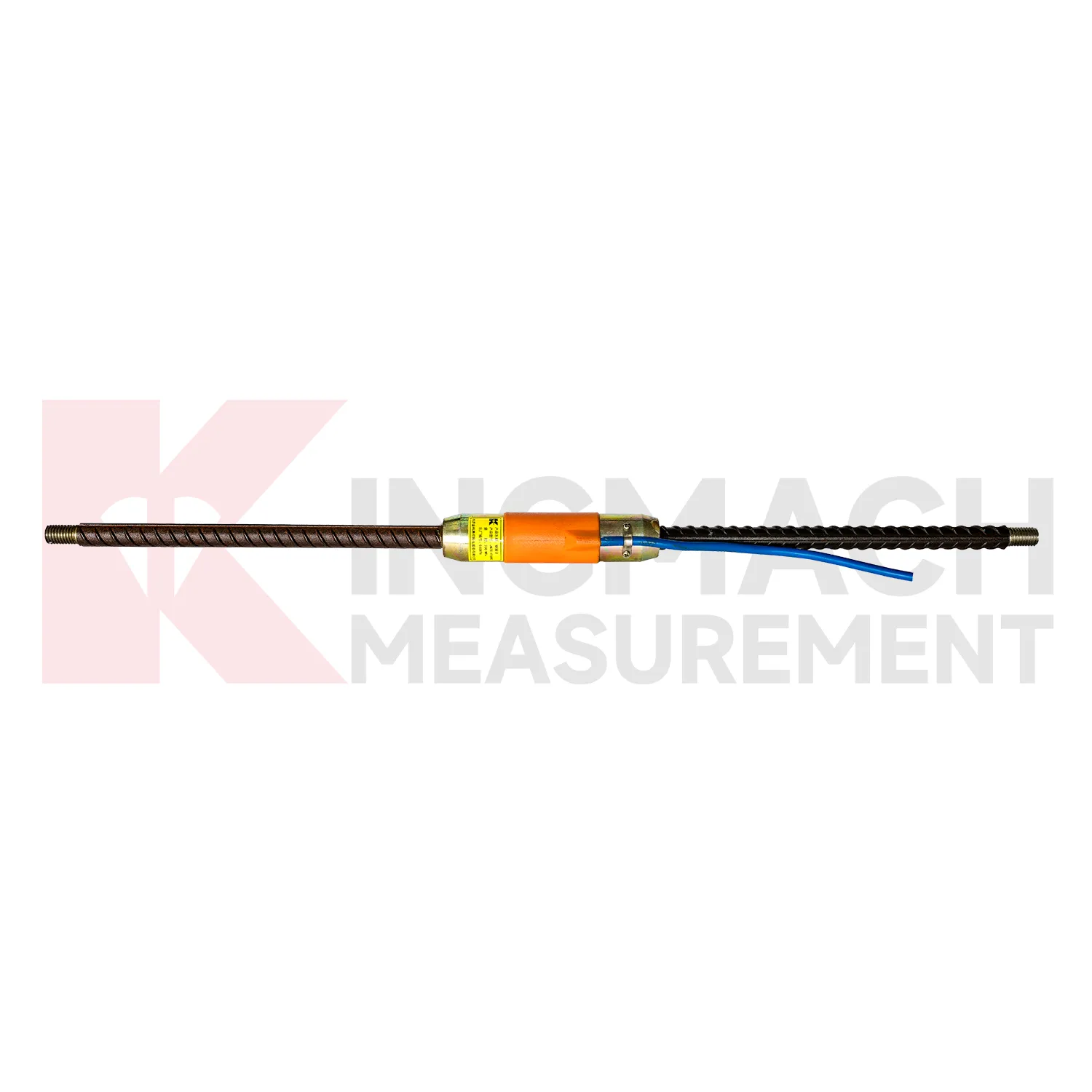
Kingmach {keyword} also includes rebar strainmeters for reinforced concrete stress monitoring. The JMZX-4XXHAT/HB model measures the stress of reinforcing steel bars and allows engineers to estimate the internal stress state of concrete structures. It is used in dams, bridges, precast and cast in place pile foundations, cut off walls, large buildings, and anchor bolts. The sensing section is designed with strength matching the corresponding measured steel bar, so replacing the original bar with the tested bar does not change the strength of the monitored structure. Technical data includes a -200 MPa to 350 MPa range, 0.5%F.S. accuracy, 0.1 MPa sensitivity, and 2 MPa waterproof performance. The product uses vibrating wire collection with high tensile steel wire and anchor welding, giving stable performance for embedded, long term structural monitoring. These specifications are especially useful when the monitored member will not be easy to access later. Once concrete is poured or steel work is closed, the project depends on the original model selection, cable protection, calibration data, and acquisition record. They also help the owner decide whether manual reading, scheduled logging, or unattended monitoring is the better operating method. A clear specification record reduces confusion when the same project uses surface, embedded, welded, and rebar based instruments together.
Application of small strain gauge
For slope, retaining wall, and foundation pit monitoring, {keyword} can be used on anchor rods, steel braces, retaining piles, reinforcement cages, or concrete support structures. These projects need early warning on stress redistribution, crack extension, support overload, and ground movement effects. Kingmach JMZX-4XXHAT/HB rebar strainmeters measure reinforcement stress across -200 MPa to 350 MPa with 0.1 MPa sensitivity and 0.5%F.S. accuracy, while the waterproof structure reaches 2 MPa. That makes the product suitable for buried or wet reinforced concrete members where ordinary surface checks are not enough. In deep excavation, strain data can be reviewed with displacement meters, tiltmeters, settlement sensors, and water level data. The combined record helps engineers decide whether support members are carrying load safely during each construction stage. Kingmach systems can pair the strain point with automated acquisition, which reduces manual reading work in locations that are dangerous, remote, or disruptive to access. That is often the difference between occasional checks and a useful monitoring record. When data is collected automatically, engineers can compare daily movement instead of relying on occasional manual readings. This gives the project team a better way to separate normal behavior from a change that needs inspection.
The future of small strain gauge
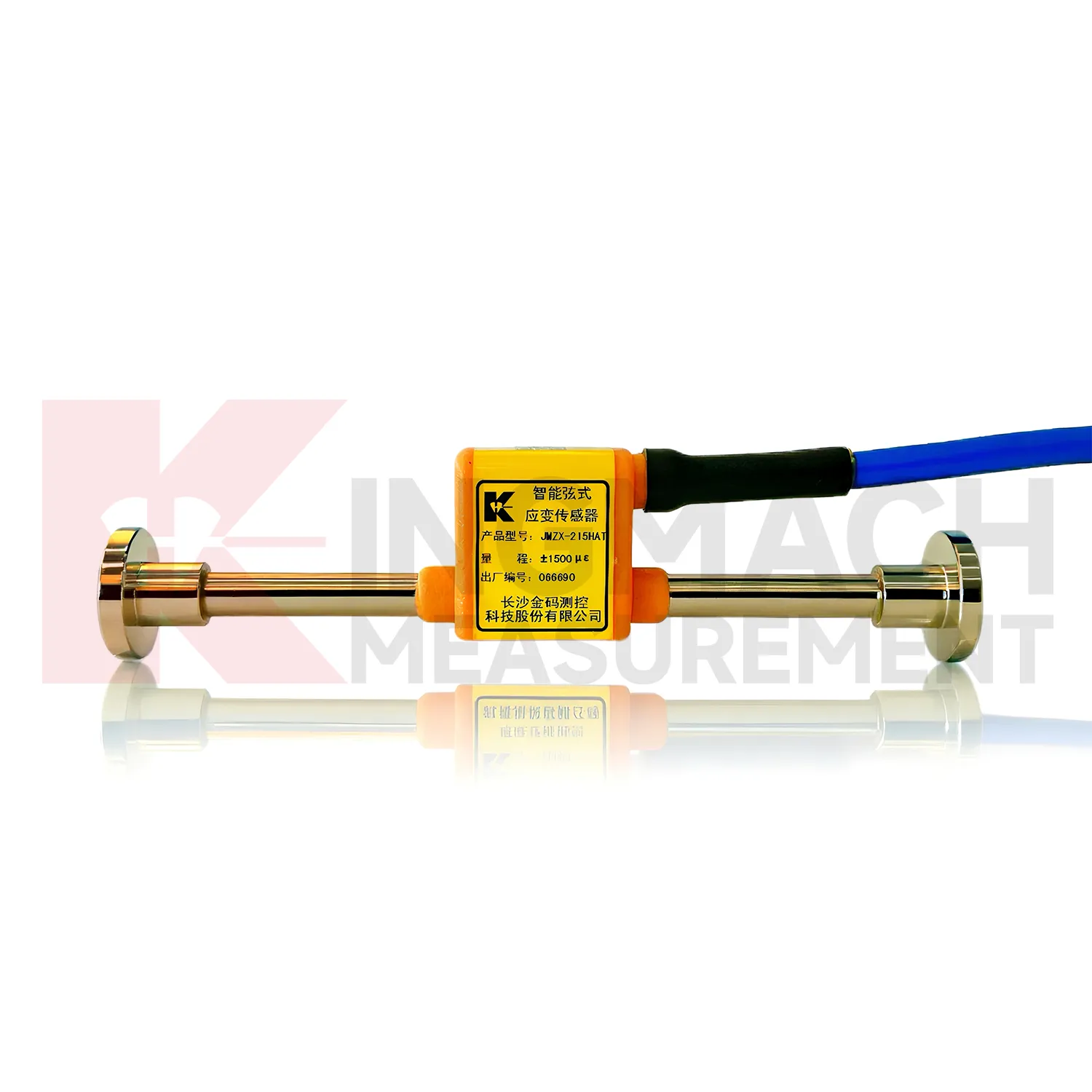
Long term durability will shape the future of {keyword}. Infrastructure owners want fewer site visits, better sealing, and sensors that remain stable after years of traffic vibration, wet tunnels, dam galleries, and exposed steelwork. Kingmach's strain gauge range already includes sealed stainless steel structures, waterproof performance up to 150 meters on several vibrating wire models, 2 MPa waterproof performance on rebar strainmeters, and thermometer ranges from -40℃ to +120℃. Future product development may focus on stronger cable protection, easier field diagnostics, and lower power acquisition for remote monitoring. These are practical improvements. A strain gauge that keeps a clean baseline for years is more useful than one that only looks impressive during commissioning. The product direction is practical rather than decorative: better sensor identity, better installation records, clearer alarm context, and easier comparison across different monitoring parameters. That path keeps the technology tied to field decisions, not abstract promises. It also makes sensor data easier to use in owner reports and maintenance meetings.
Care & Maintenance of small strain gauge
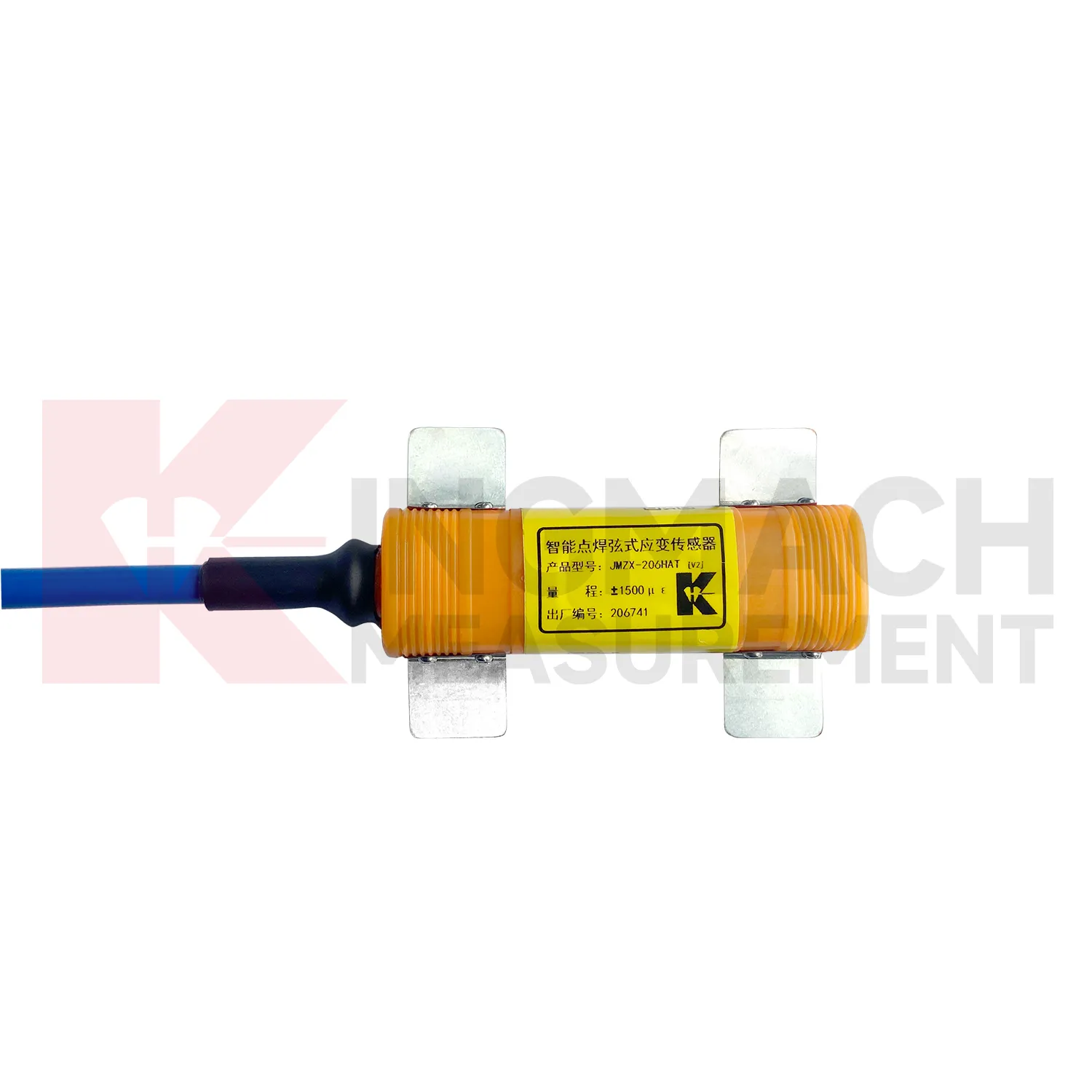
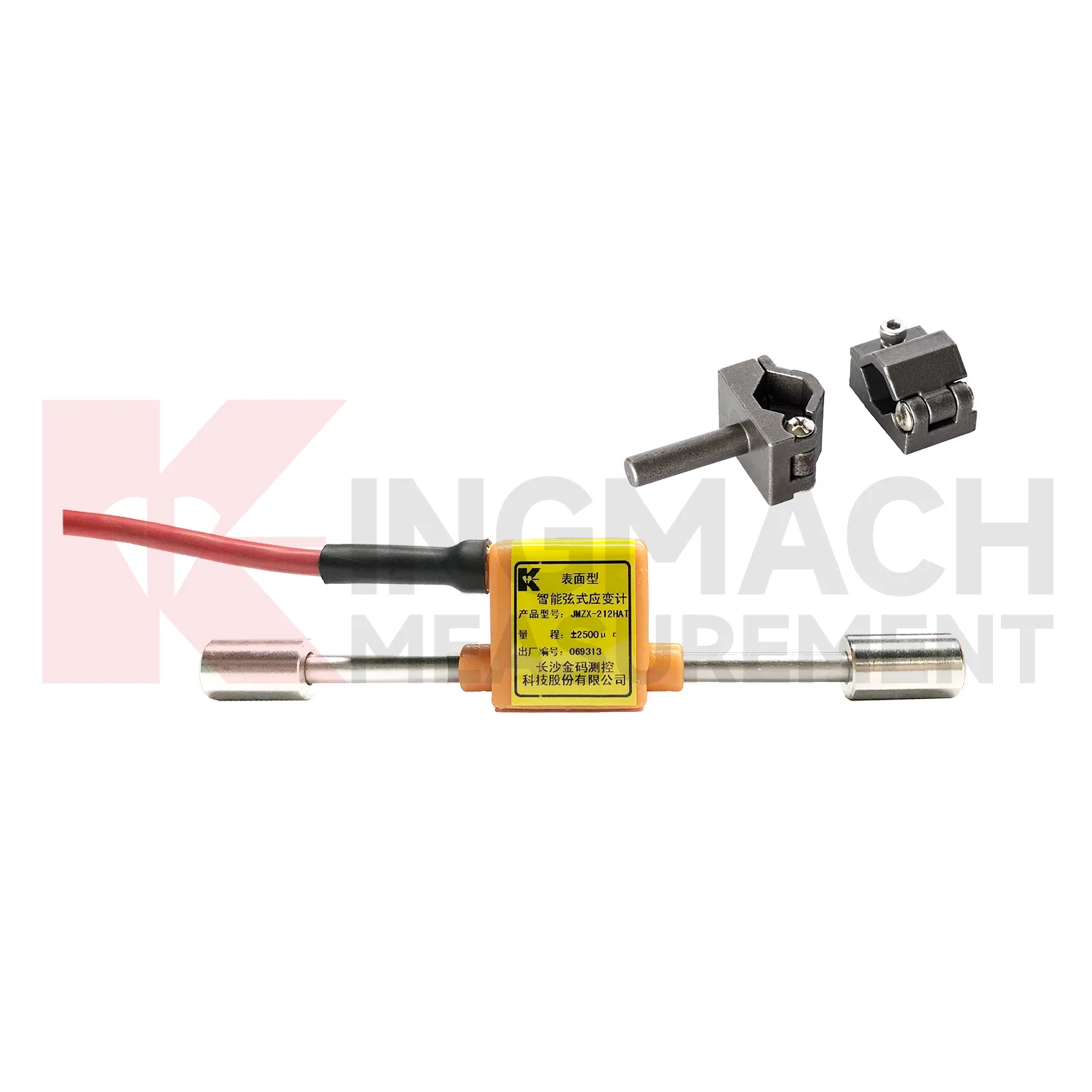
For welded {keyword}, installation quality controls later maintenance effort. The JMZX-206HAT model uses spot welding on a polished 10 x 80 mm flat surface, and the low height design helps reduce strain errors caused by bending deformation. Before installation, remove rust, coating, oil, and uneven surface marks from the welding area. After welding, protect the sensor and cable from impact, grinding, repainting, and heat during nearby work. During operation, inspect the welded area for corrosion, loosened protection, cable strain, and damage after repair activities. The model's -1500 to +2500 microstrain range and 0.1 microstrain resolution can provide useful data only when the welded connection remains stable. For long term contracts, owners should define who reviews baseline drift, who approves recalibration, and who records construction events that may explain unusual strain movement. Replace damaged protection before water reaches the connection. Compare suspicious readings with nearby channels before repair decisions. Keep these checks in the project log.
Kingmach small strain gauge
Procurement teams often evaluate {keyword} by comparing sensors, manufacturers, data acquisition equipment, and long term support. The useful question is not only price. It is whether the product matches the structure, installation method, output system, environmental exposure, and maintenance plan. Kingmach brings together strain gauges, readouts, automated acquisition units, cables, and monitoring software, which reduces the risk of mismatched field components. For buyers managing bridges, tunnels, dams, buildings, and rail projects, this joined up approach matters. A sensor that is accurate on paper still needs stable transmission, protected wiring, correct calibration data, and practical after sales service. For practical procurement, it also suggests the related equipment that may be needed, including readouts, cables, acquisition modules, and monitoring software. Site records matter. That field record supports later inspection. It also gives engineers a cleaner baseline for later comparison. The same data can guide inspection notes and repair timing. Site records matter.
FAQ
Q: What is the difference between surface and embedded {keyword}?
A: Surface models read strain on accessible concrete or steel surfaces, while embedded models are tied to rebar or brackets before concrete is poured.
Q: What is the difference between welded gauges and bonded gauges?
A: Welded gauges are fixed to prepared steel by spot welding, which can be more suitable for long term steel structure monitoring in some field conditions.
Q: Why use a vibrating wire design?
A: Vibrating wire signals can transmit over long distances with strong anti interference performance, which suits civil infrastructure monitoring.
Q: What does 0.1 microstrain resolution mean?
A: It means the instrument can distinguish very small strain changes, provided installation, cabling, acquisition, and environmental correction are handled correctly.
Q: Can it be used with digital platforms?
A: Yes. Strain readings can be sent through acquisition hardware to monitoring platforms for trend review, alarms, and comparison with other sensor data.
Reviews
Joshua Clark
We ordered a full monitoring solution including sensors and data loggers. Everything works seamlessly together. Great supplier!
Michael Anderson
The strain gauges and load cells are extremely accurate and stable. They performed very well in our bridge monitoring project. Highly recommended!
Latest Inquiries
To protect the privacy of our buyers, only public service email domains like Gmail, Yahoo, and MSN will be displayed. Additionally, only a limited portion of the inquiry content will be shown.
Emma***@gmail.comCanada
Dear Sir/Madam, we are interested in displacement transducers and settlement sensors for a geotechni...
Ava***@gmail.comAustralia
Hi, I am looking for reliable tiltmeters and accelerometers for structural health monitoring. Please...