
 EN
EN
 ar
ar bg
bg hr
hr cs
cs da
da nl
nl fi
fi fr
fr de
de el
el hi
hi it
it ko
ko no
no pl
pl pt
pt ro
ro ru
ru es
es sv
sv tl
tl iw
iw id
id lv
lv lt
lt sr
sr sk
sk sl
sl uk
uk vi
vi et
et hu
hu th
th tr
tr fa
fa ms
ms hy
hy ka
ka ur
ur bn
bn mn
mn ta
ta kk
kk uz
uz ku
ku
digital inclinometer sensor
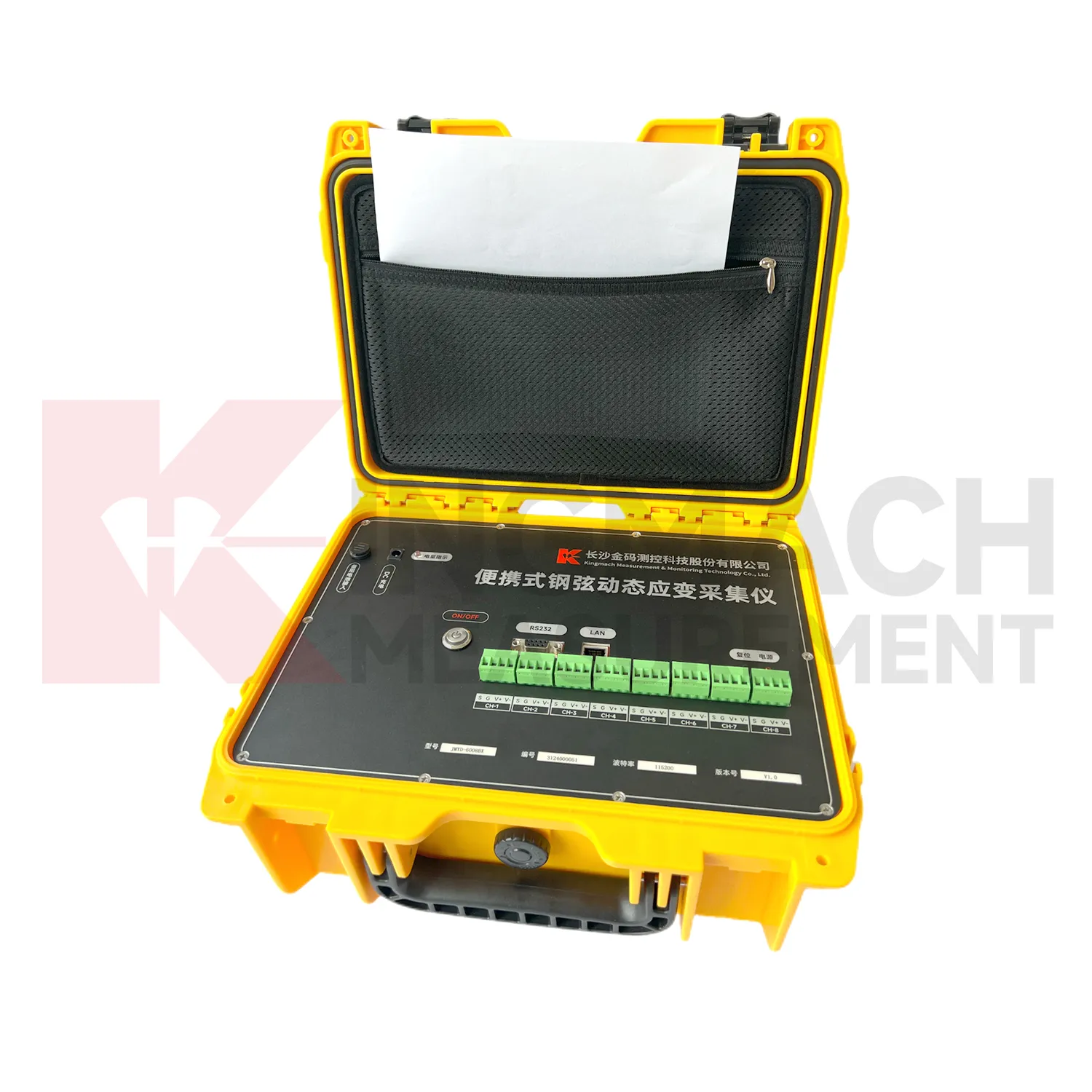
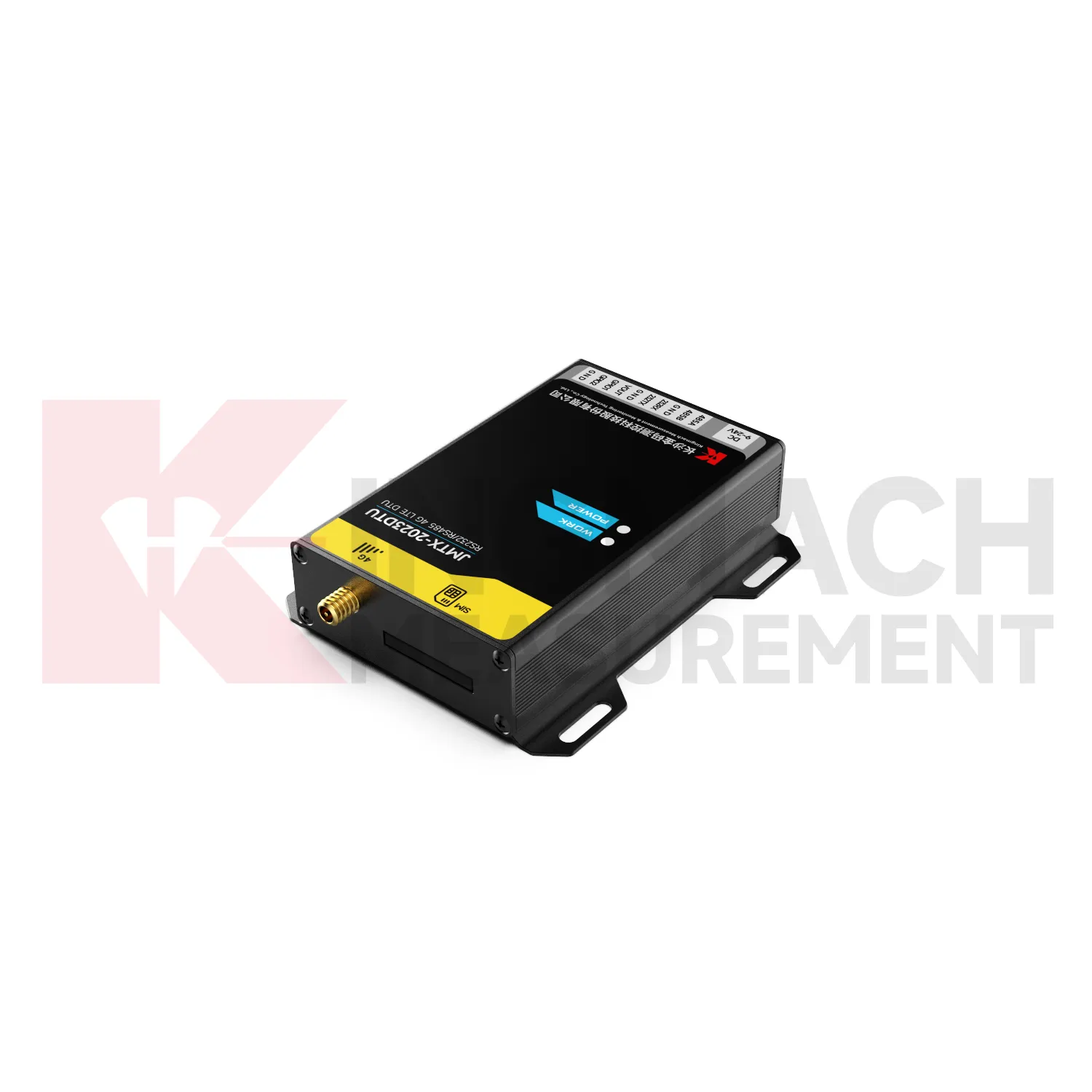
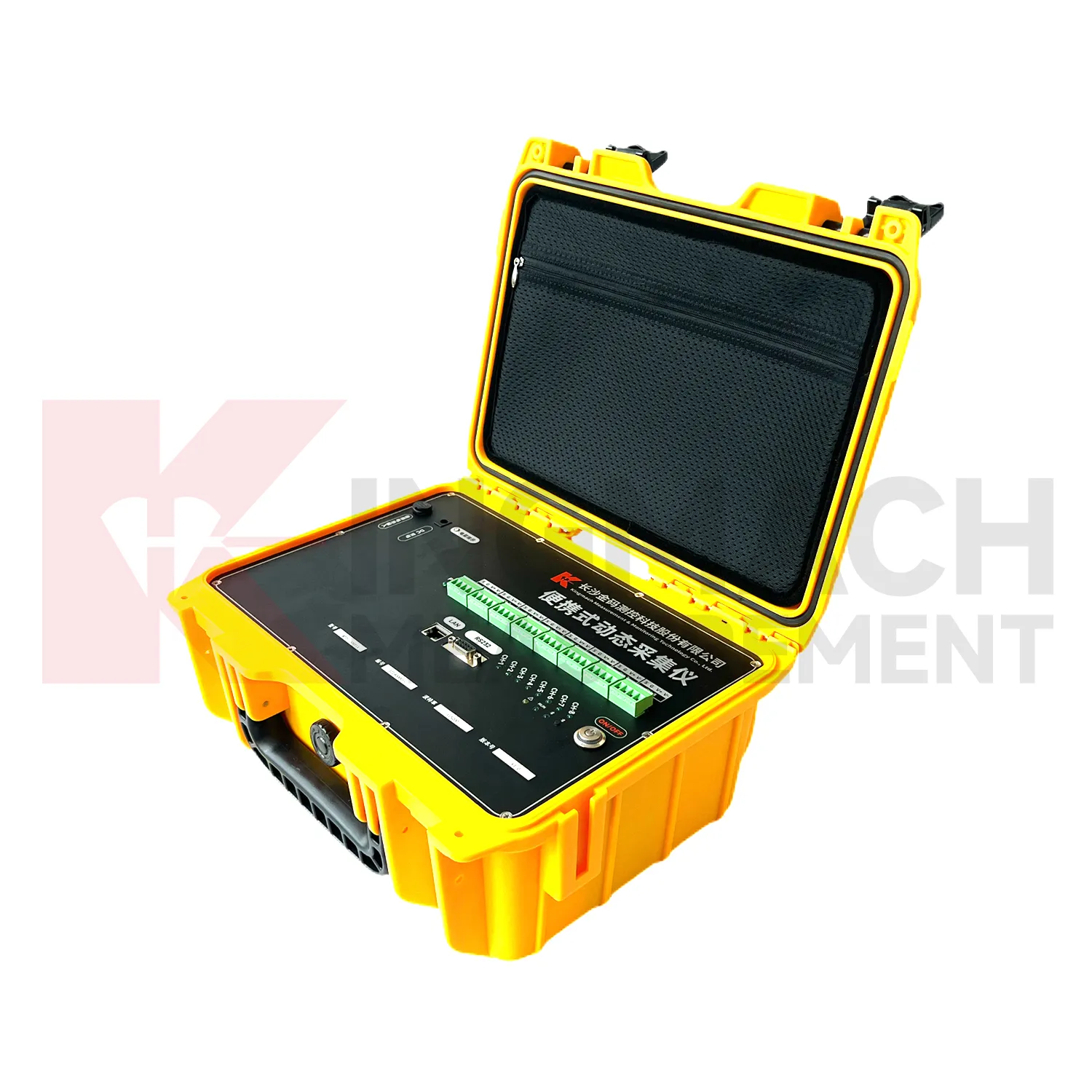
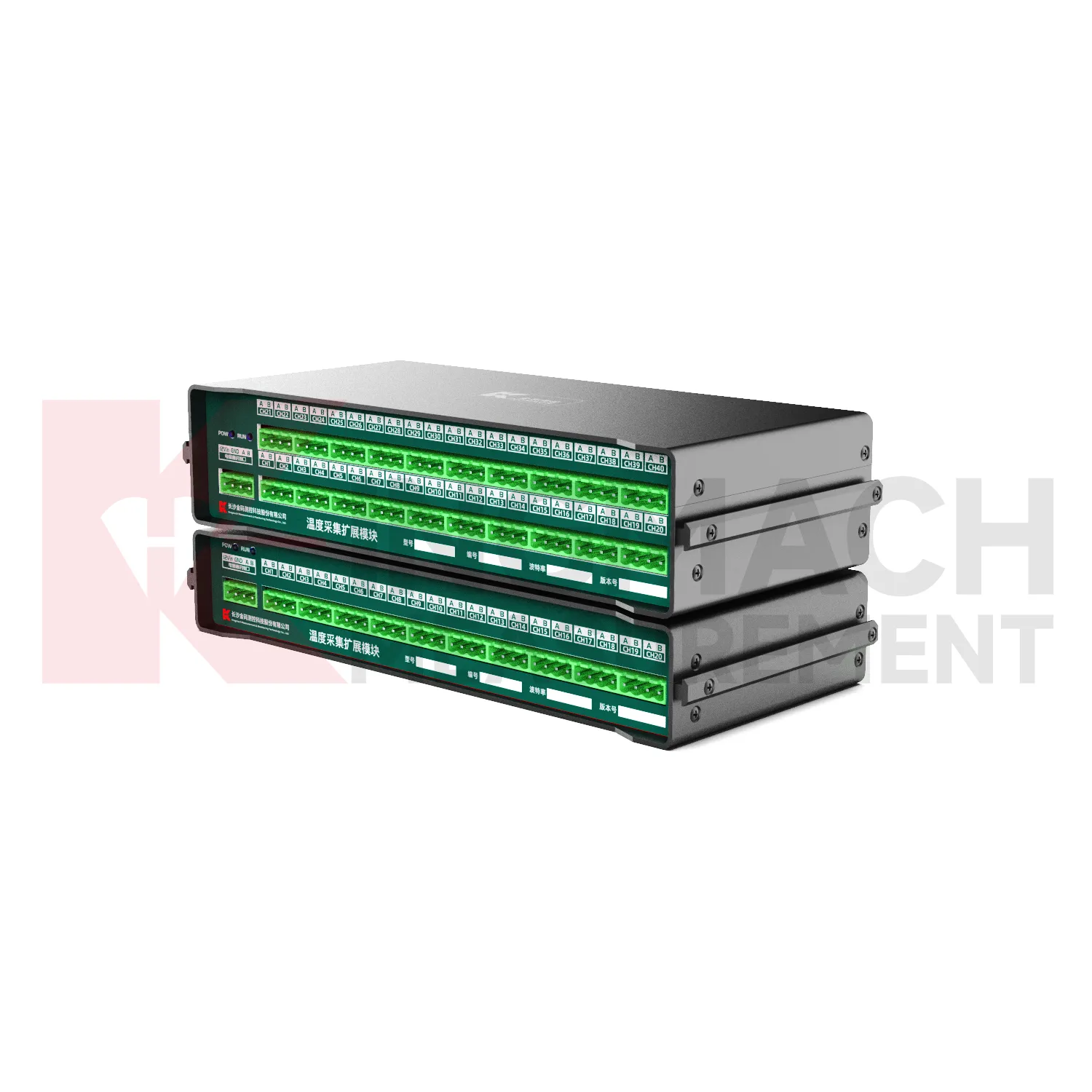
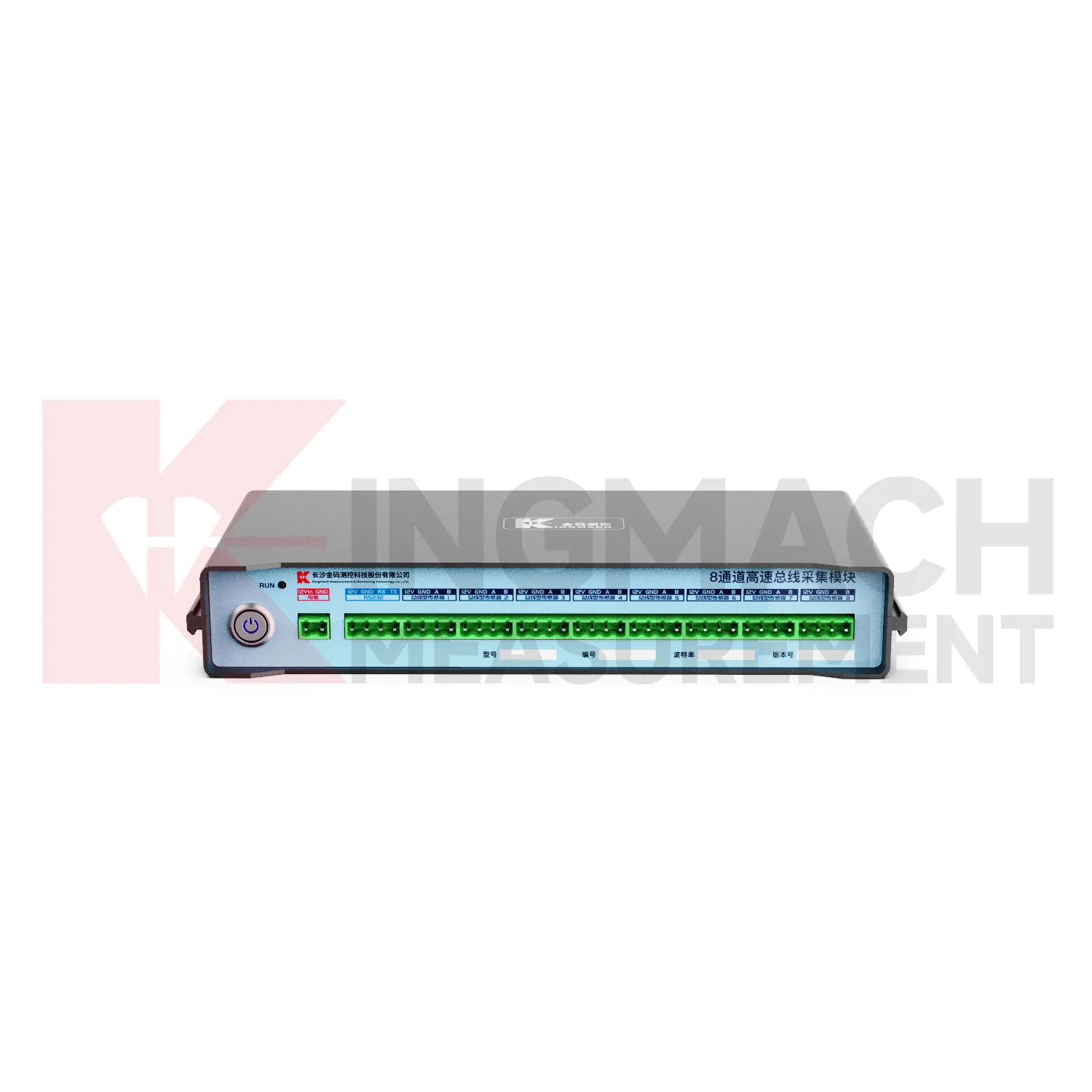
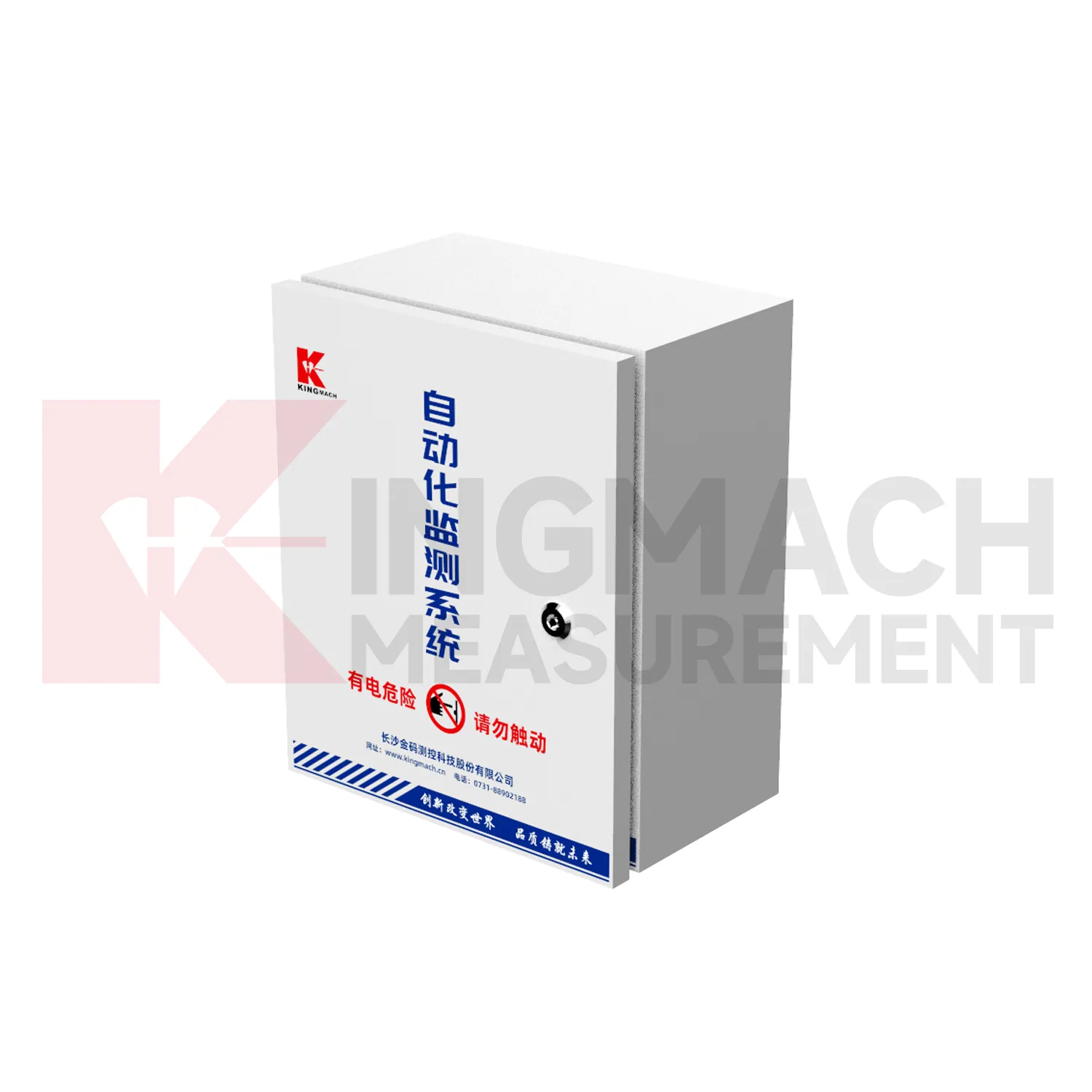
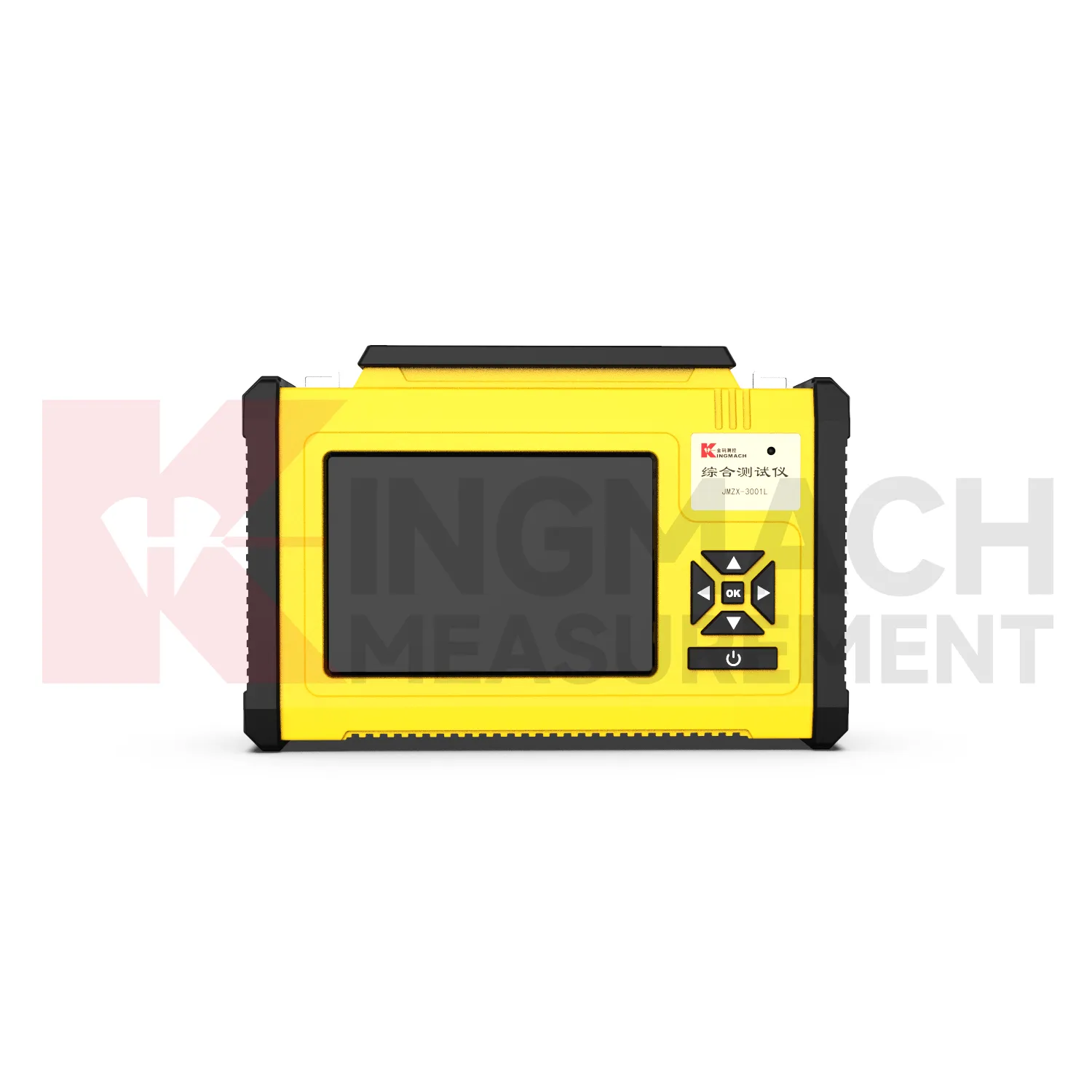
Kingmach digital inclinometer sensor bring together measurement, storage, and communication functions for field monitoring. The category includes low-power wireless acquisition for remote digital sensors, synchronized dynamic strain logging, and portable readouts for on-site checks. Each device type serves a different part of the monitoring workflow. Low-power loggers reduce manual visits at remote stations. Dynamic loggers capture event behavior with synchronized channels. Portable readouts help field staff confirm sensor condition before the site is closed or the inspection route moves on. Buyers should connect these capabilities with project realities such as access restrictions, weather exposure, power availability, communication reliability, and the expected review frequency. A slope station with limited access, a tunnel with night work, and a bridge deck with traffic restrictions place different demands on the same acquisition category. The device should fit the way people actually reach the point, protect cables, power the station, and move data into review. This practical view helps teams select a readout or logger that supports field use, not only laboratory capability. In remote work, the maintenance route, enclosure position, antenna condition, and expected upload schedule can be just as important as the measurement circuit. In short-term testing, the device must also be easy to move, check, and export before the crew leaves the site.

Application of digital inclinometer sensor
Long-term asset monitoring uses Kingmach digital inclinometer sensor when owners need records that survive staff changes and maintenance cycles. A bridge, dam, tunnel, slope, or building may keep sensors in service for years. The data logger must support stable acquisition, readable channel names, dependable storage, and practical data export. Readouts remain useful for periodic verification and repair checks. The monitoring plan should include baseline values, normal behavior examples, battery or power checks, communication status, and a clear handover file. Long-term records are most useful when they show not only values, but also the operating condition and maintenance history behind those values. Asset owners should also plan how records are reviewed after repairs, seasonal changes, platform updates, and sensor replacement. If a channel is renamed or a logger is moved, the history should explain the change. This keeps old and new records comparable. A durable acquisition workflow protects the owner from losing technical continuity when contractors, operators, or maintenance teams change over the life of the asset. This is important when monitoring contracts end but the sensors remain in service for inspection, warranty review, repair planning, or annual safety reporting. The logger history becomes part of the asset file, not a temporary construction record.
The future of digital inclinometer sensor
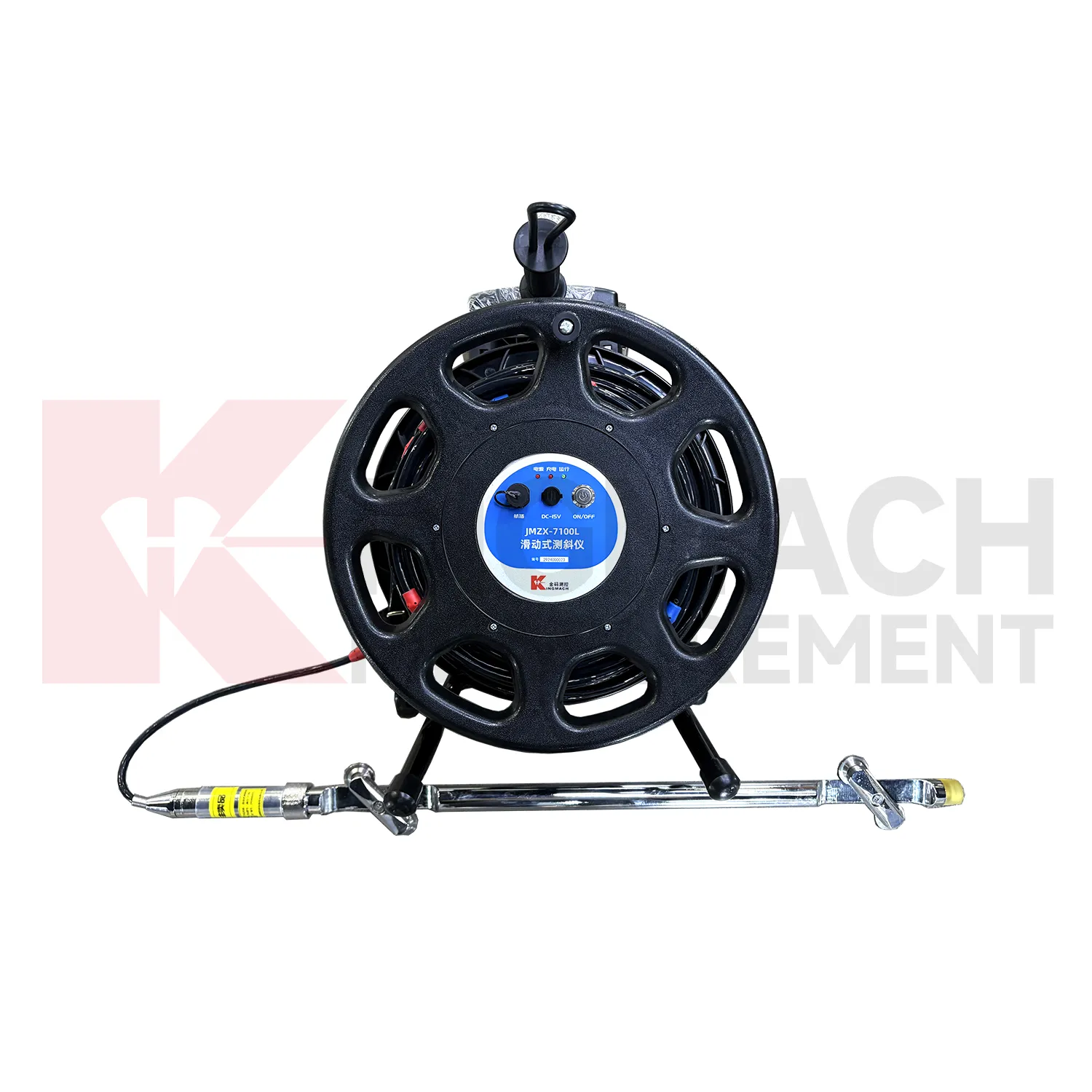
Future Kingmach digital inclinometer sensor will improve field maintenance planning for acquisition equipment. A data logger or readout may fail to support monitoring if cables are loose, connectors are wet, batteries are weak, or channel labels are unclear. Future systems can make these maintenance risks more visible by tracking device status, recent data gaps, voltage trends, and communication quality. This helps field teams inspect the right location before the record becomes unreliable. Maintenance planning will become part of data quality, not a separate afterthought. The next generation of stations can present power, upload, enclosure, and channel status in a way that helps maintenance teams prepare before visiting. A crew can bring the right battery, connector, cable label, or enclosure material instead of discovering the problem on site. That saves access time and protects monitoring continuity. It also helps owners plan maintenance budgets around real device condition instead of fixed assumptions. over time.
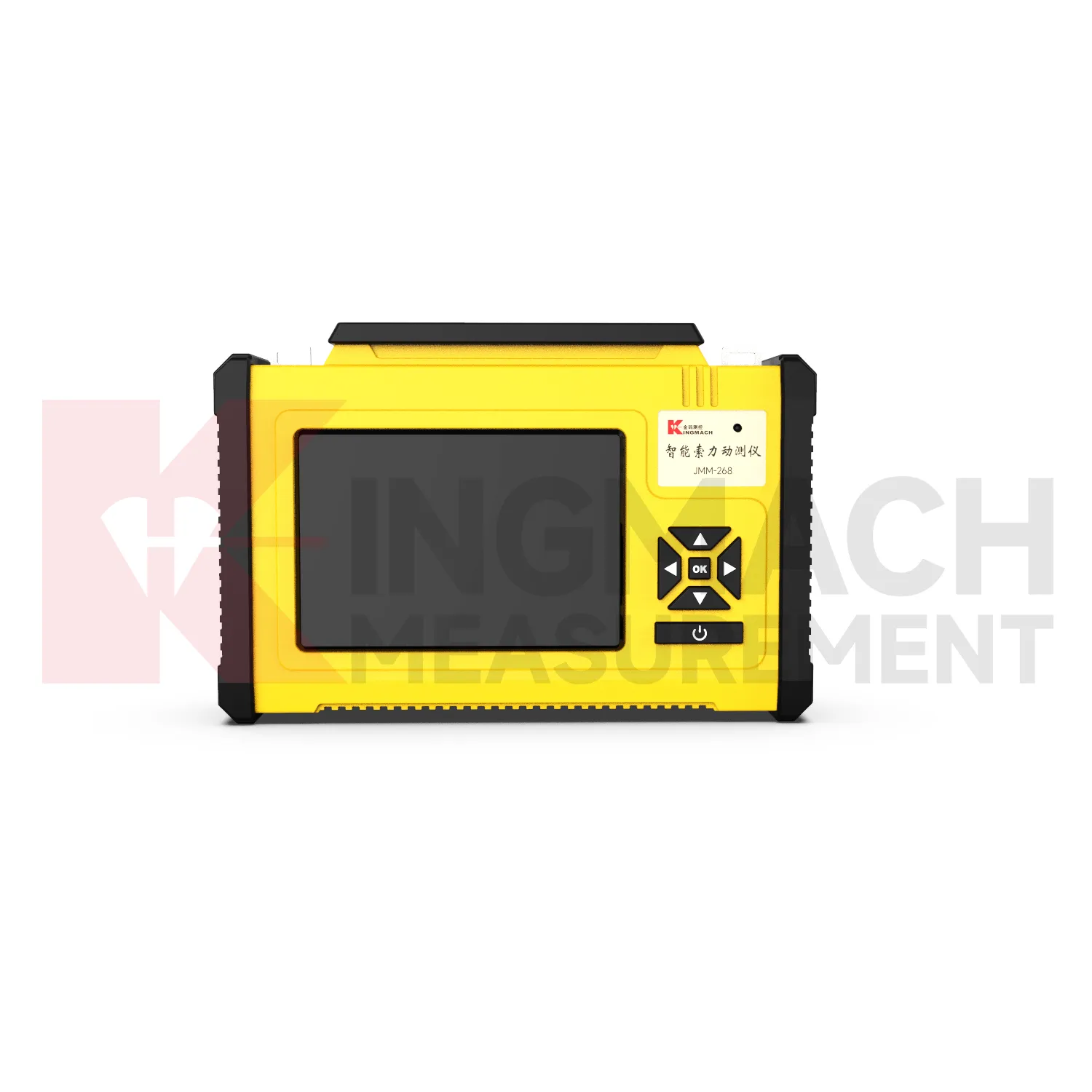
Care & Maintenance of digital inclinometer sensor
Battery and power checks are essential for Kingmach digital inclinometer sensor. Portable readouts need charged batteries before inspection rounds, while remote loggers need stable supply, low-power settings, or solar charging where applicable. A weak battery can create missing readings, interrupted uploads, or unstable acquisition during the period when data is needed most. Maintenance teams should record charge status, replacement dates, power mode, and any abnormal shutdown. For unattended stations, voltage history and last upload time should be reviewed together. This helps distinguish a site event from a power-related data gap. Power maintenance should also consider seasonal access. A slope station may be difficult to reach after rain, and a dam gallery may require planned entry. If battery replacement, solar panel cleaning, or charger inspection is delayed, the risk should be visible in the station notes. Clear power history helps engineers decide whether missing data reflects device condition or real site behavior.
Kingmach digital inclinometer sensor
Kingmach digital inclinometer sensor support projects when monitoring duties shift between installation teams, testing teams, owners, and maintenance contractors. Early readings may come from a handheld instrument during sensor acceptance, while later readings may be gathered by a fixed cabinet, a wireless station, or a portable unit brought back for verification. The important requirement is continuity: every channel should keep a recognizable identity, every reading should carry enough field context to be interpreted, and every operating change should be traceable. A good handover package explains sensor grouping, channel labels, collection rhythm, communication route, power arrangement, and review responsibility in language that a new technician can follow. This prevents routine monitoring from depending on one person?s memory. When a bridge, tunnel, dam, slope, building, railway section, or industrial test rig remains under observation for months, the acquisition system must make daily work orderly: connect, confirm, collect, review, report, and keep the history usable for engineering judgement.
FAQ
Q: Where are these devices used?
A: They are used in bridges, tunnels, dams, slopes, buildings, foundation pits, railways, mines, industrial testing, and other monitoring projects.
Q: Why combine readouts with loggers?
A: Readouts confirm field points during visits, while loggers keep collecting data between visits. Together they support both verification and continuity.
Q: What should a remote station show?
A: A remote station should show acquisition status, last upload time, power condition, active channels, storage condition, and recent maintenance history.
Q: How do these devices support reports?
A: They keep readings traceable by time, channel, sensor type, location, and device status so engineers can explain trends and events more clearly.
Q: What causes confusing readings?
A: Loose cables, wrong channel names, weak power, wet enclosures, changed settings, sensor faults, or real site changes can all create confusing records. The record stays useful when point names, channel labels, sensor type, measurement time, and field condition are kept together, because later reviewers can connect the number with the actual structure and inspection history.
Reviews
Matthew Garcia
Instrumentation cables are durable and perform well even in harsh environments. Will definitely order again.
Robert Taylor
The weir flow meter is well-built and delivers accurate measurements. Great value for water management applications.
Latest Inquiries
To protect the privacy of our buyers, only public service email domains like Gmail, Yahoo, and MSN will be displayed. Additionally, only a limited portion of the inquiry content will be shown.
Olivia***@gmail.comUnited States
Hello, we are currently sourcing high-precision strain gauges and load cells for a bridge monitoring...
Evelyn***@gmail.comSouth Africa
Hi, we are a contractor working on tunnel construction and need settlement sensors and displacement ...
Related product categories
- Onestop Installation Service
- Construction Monitoring
- Safety Warning / Alert System
- Big Data Analysis
- Dynamic Signal Data Logger
- Automated Data Acquisition System
- Integrated Monitoring System Software Platform
- Modular Monitoring System Software Platform
- digital readout
- digital readout tape measure
- digital readout scales
- digital readouts