
 EN
 ar
 bg
 hr
 cs
 da
 nl
 fi
 fr
 de
 el
 hi
 it
 ko
 no
 pl
 pt
 ro
 ru
 es
 sv
 tl
 iw
 id
 lv
 lt
 sr
 sk
 sl
 uk
 vi
 et
 hu
 th
 tr
 fa
 ms
 hy
 ka
 ur
 bn
 mn
 ta
 kk
 uz
 ku

Multichannel Signal Acquisition Unit
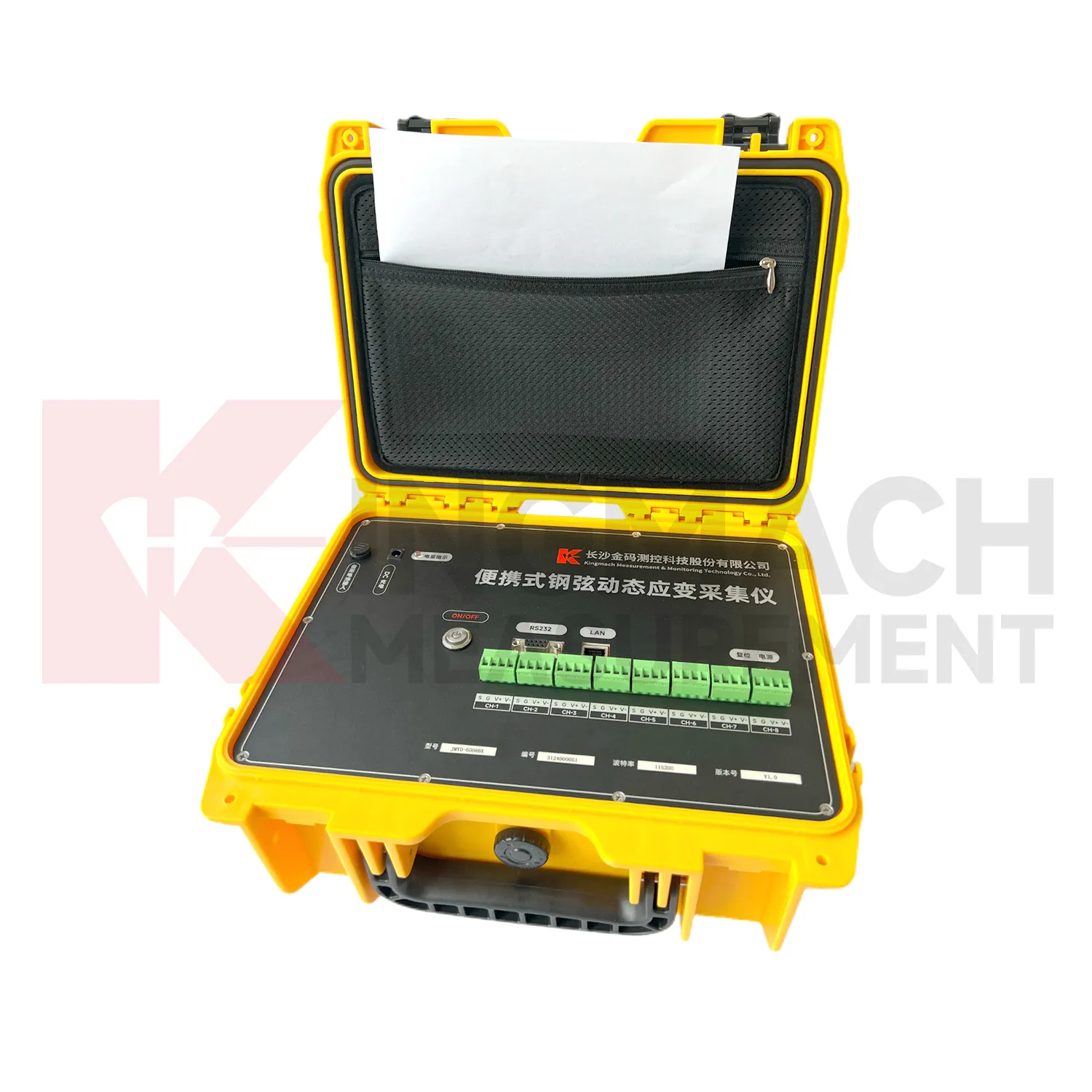
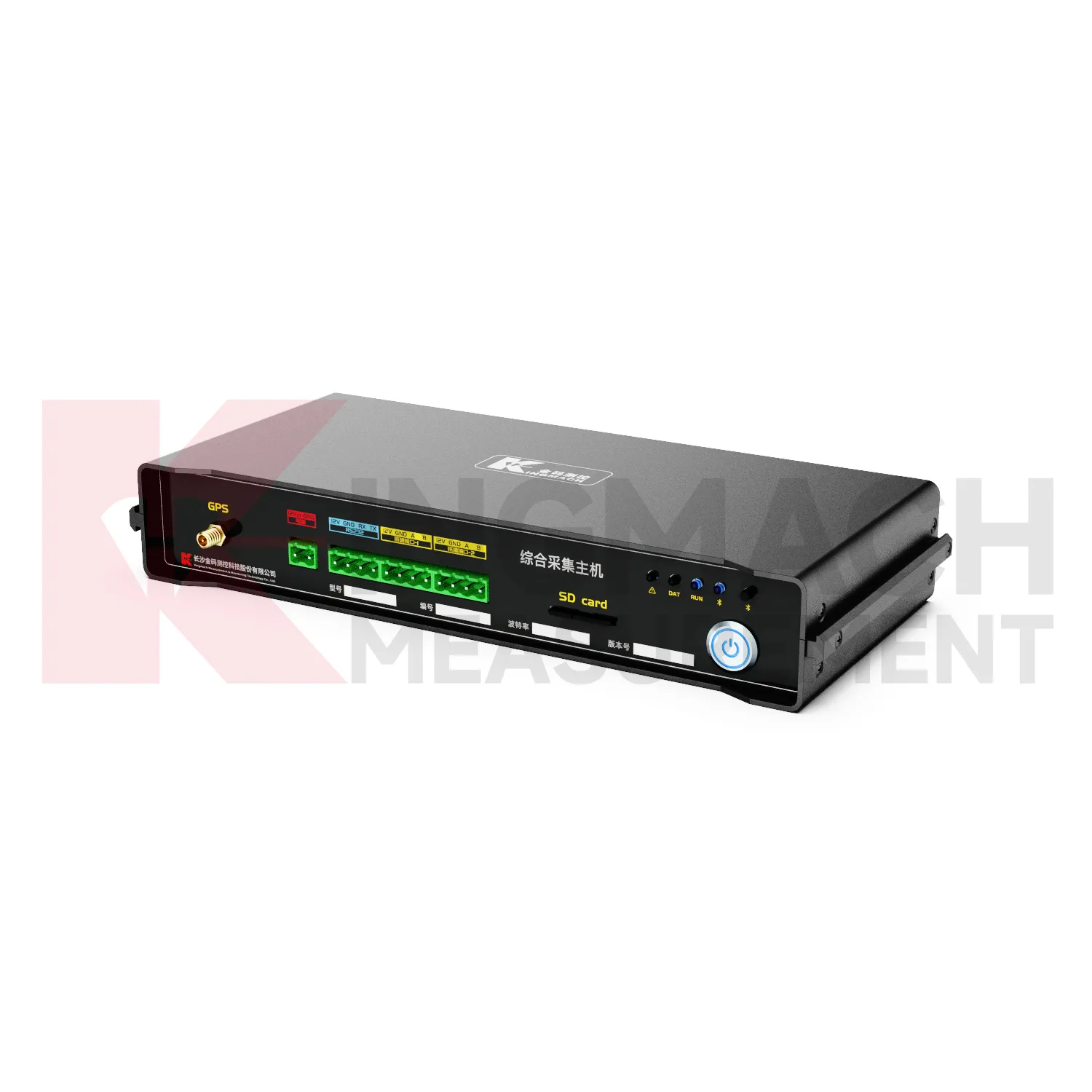
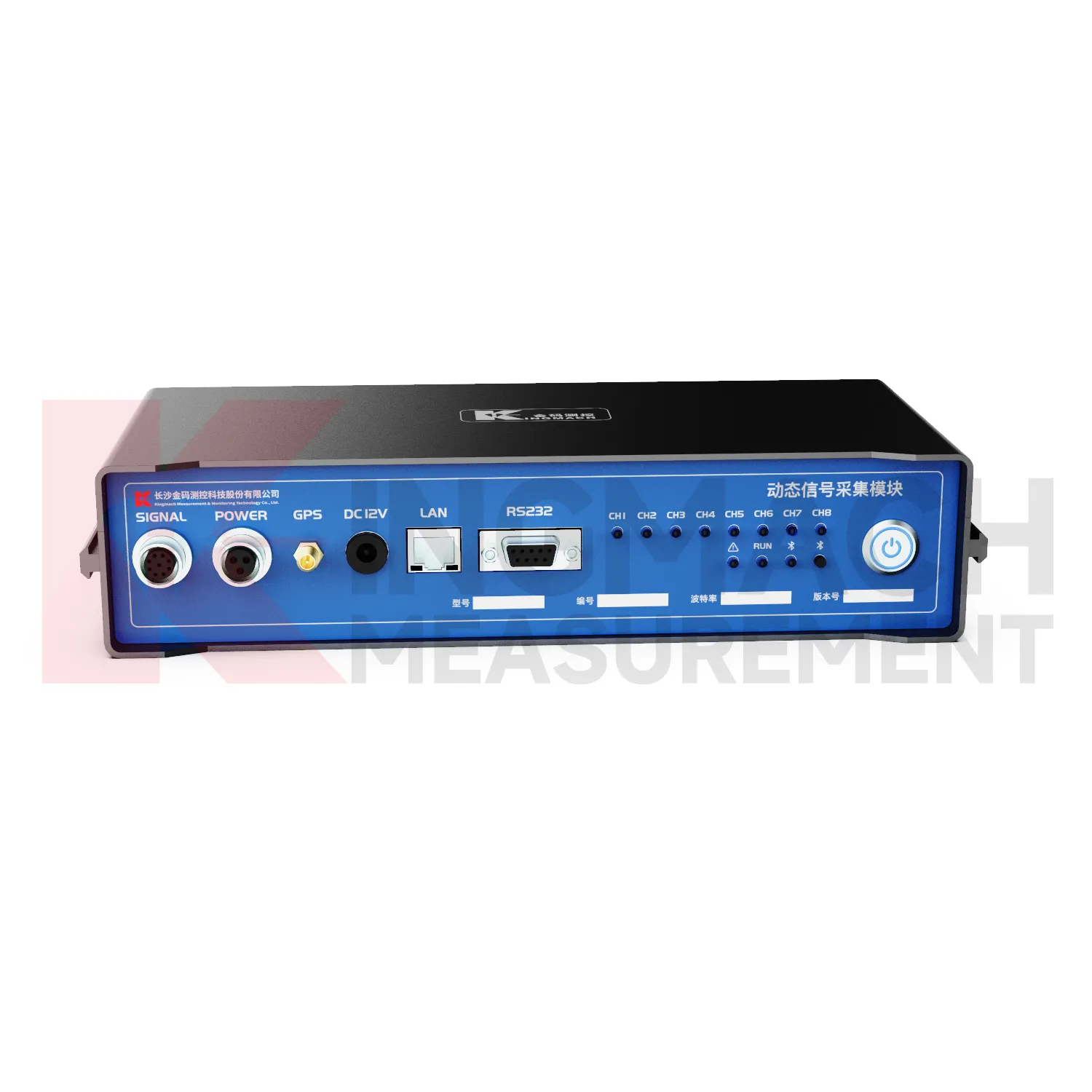
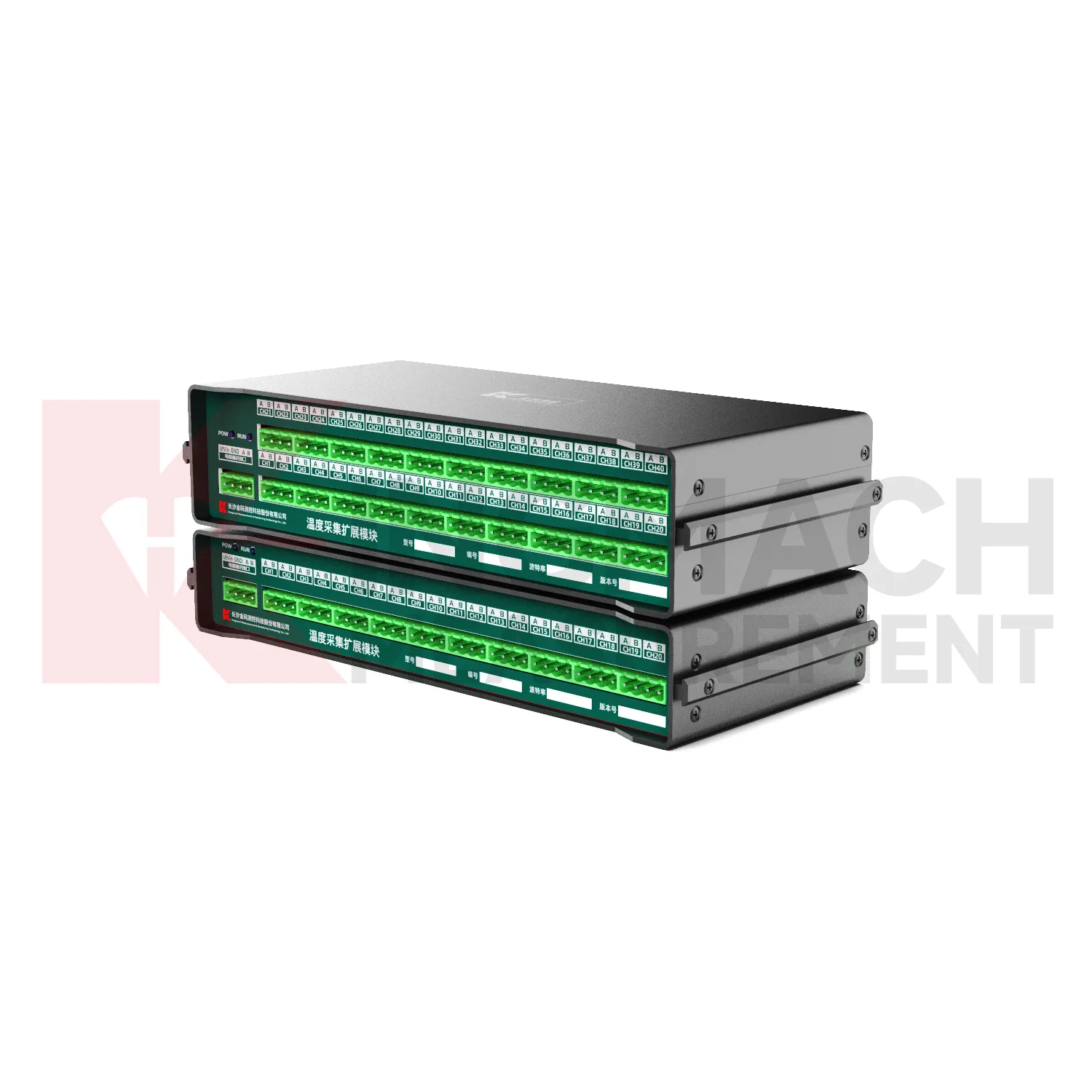
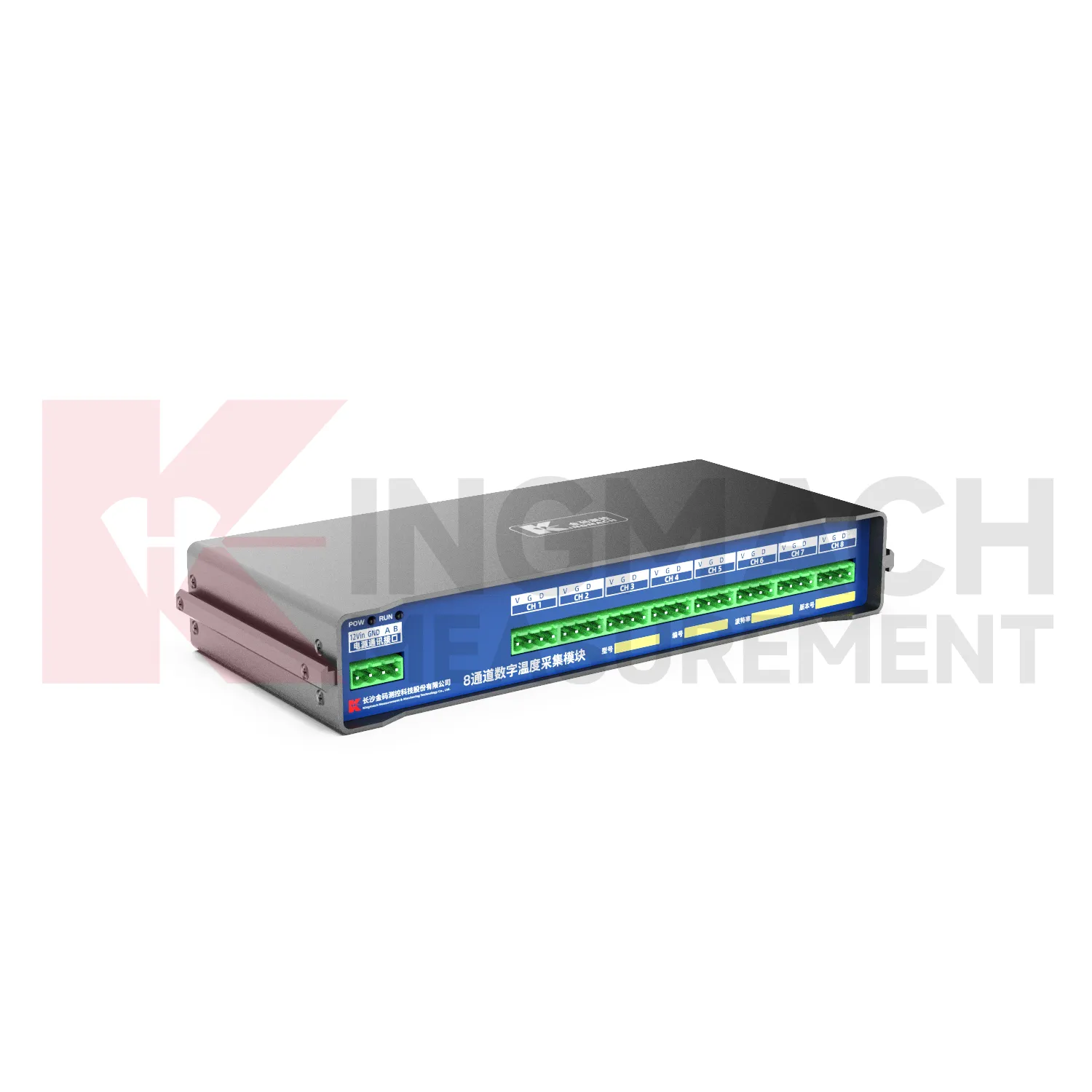
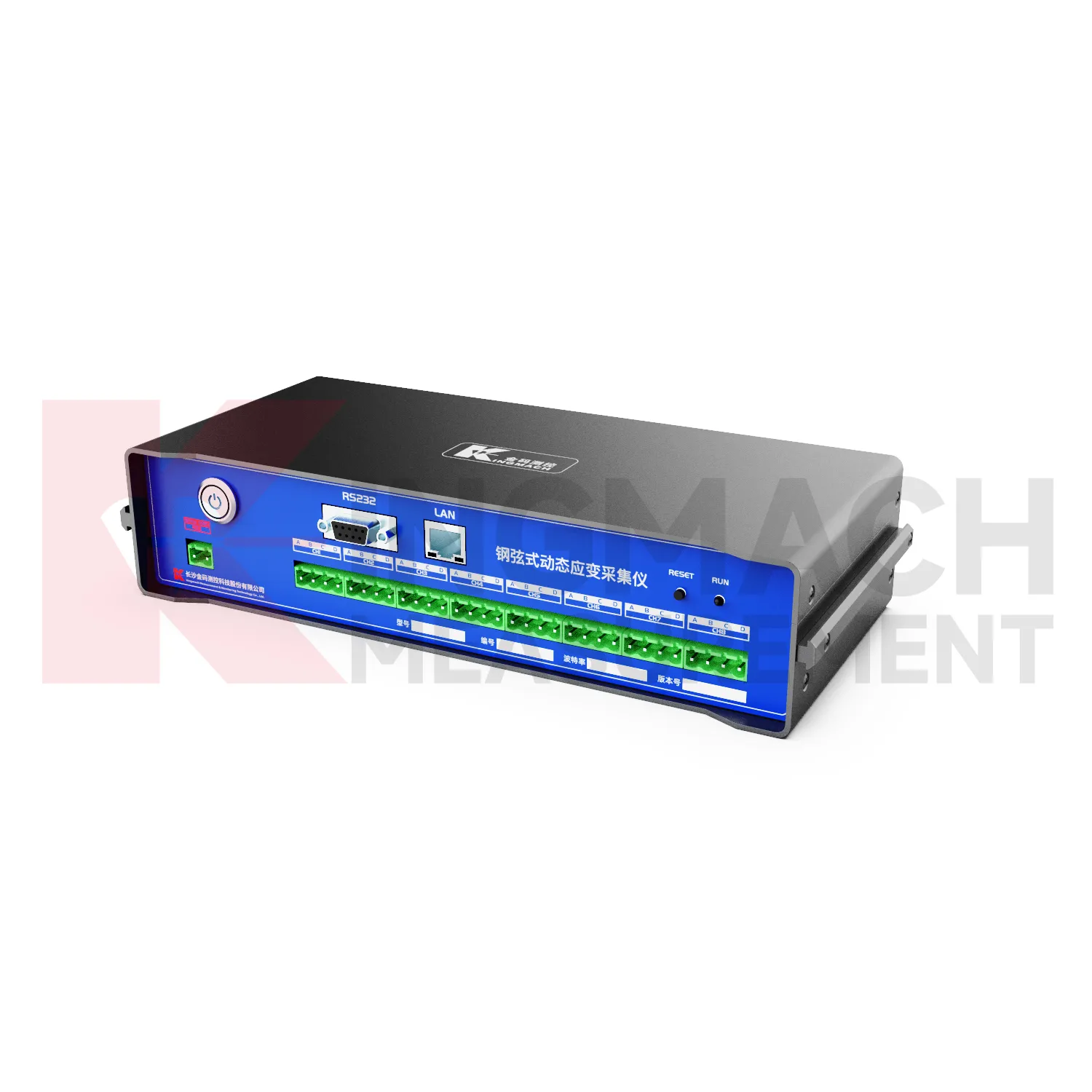
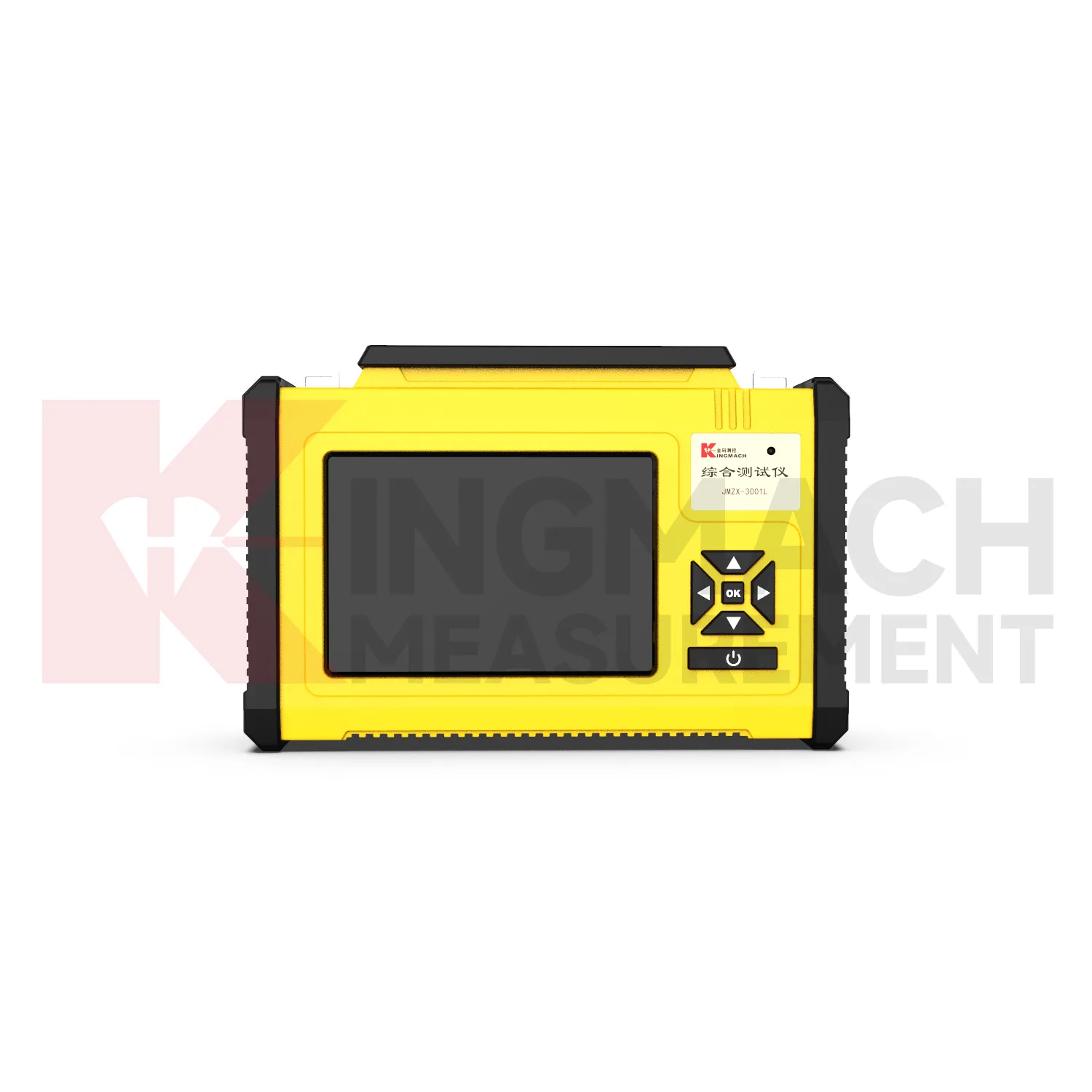
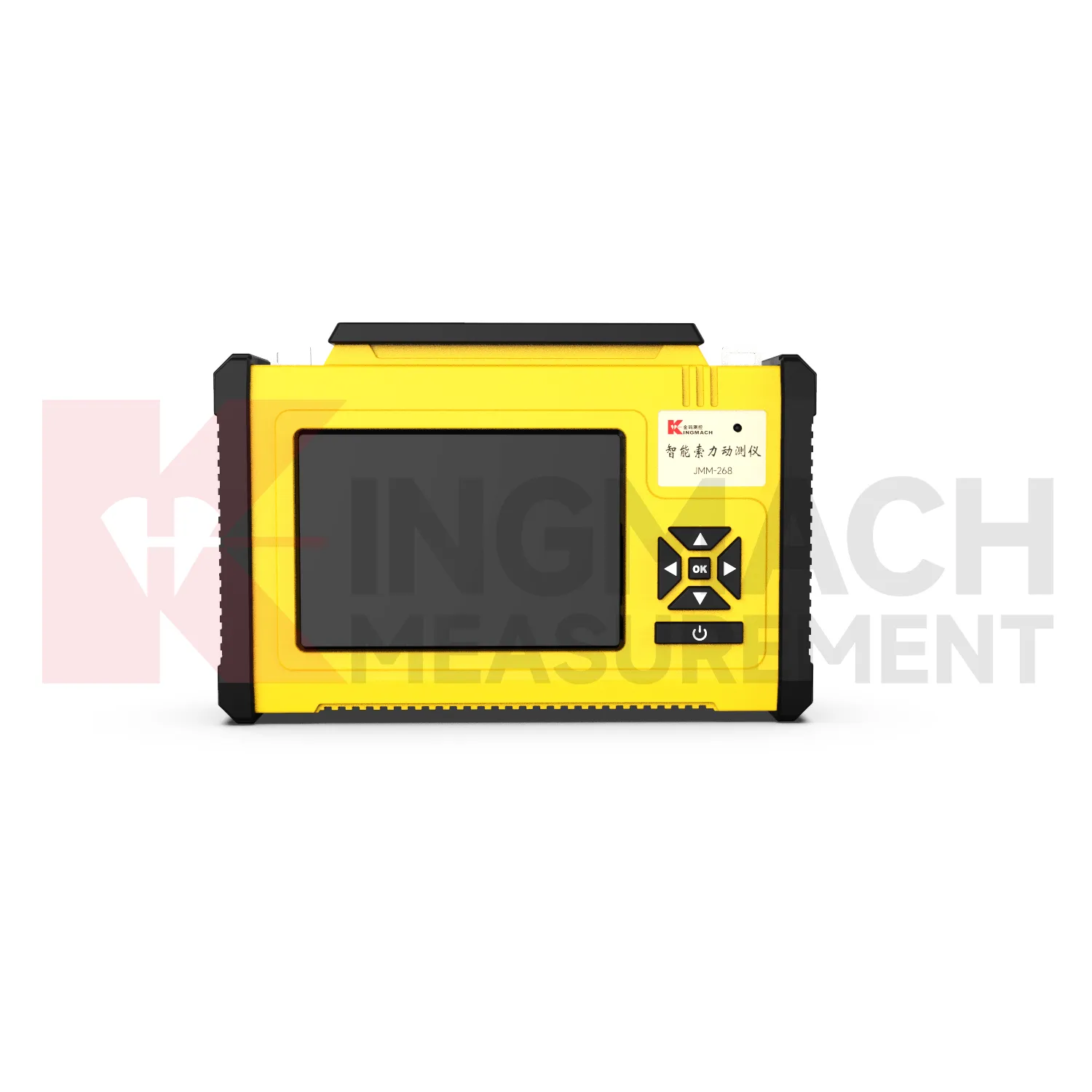
Kingmach Multichannel Signal Acquisition Unit bring together measurement, storage, and communication functions for field monitoring. The category includes low-power wireless acquisition for remote digital sensors, synchronized dynamic strain logging, and portable readouts for on-site checks. Each device type serves a different part of the monitoring workflow. Low-power loggers reduce manual visits at remote stations. Dynamic loggers capture event behavior with synchronized channels. Portable readouts help field staff confirm sensor condition before the site is closed or the inspection route moves on. Buyers should connect these capabilities with project realities such as access restrictions, weather exposure, power availability, communication reliability, and the expected review frequency. A slope station with limited access, a tunnel with night work, and a bridge deck with traffic restrictions place different demands on the same acquisition category. The device should fit the way people actually reach the point, protect cables, power the station, and move data into review. This practical view helps teams select a readout or logger that supports field use, not only laboratory capability. In remote work, the maintenance route, enclosure position, antenna condition, and expected upload schedule can be just as important as the measurement circuit. In short-term testing, the device must also be easy to move, check, and export before the crew leaves the site.
Application of Multichannel Signal Acquisition Unit
Slope and foundation pit monitoring uses Kingmach Multichannel Signal Acquisition Unit to keep displacement, load, pore pressure, rainfall, tilt, and structural response records organized. Field crews may use readouts to check sensors during excavation stages, anchor tensioning, drainage work, or inspection visits. Wireless loggers are useful when the site needs continuous records through rain, night shifts, or limited access periods. The acquisition interval should match the risk level and the construction stage. If excavation changes quickly, more frequent records may be needed; if the site is stable, routine intervals may be enough. A well-labeled data logger helps engineers compare changes with rainfall, excavation depth, support installation, and site photographs. In foundation pits, the monitoring record should follow construction sequence closely. Excavation depth, support installation, dewatering activity, anchor work, and heavy rainfall can all change the reading pattern. Acquisition equipment should help the team keep these events attached to the correct sensor group. This makes it easier to see whether a change belongs to construction progress, weather, support behavior, or a device issue. It also helps supervisors compare readings before and after excavation steps, temporary loading, rainfall response, and support adjustments without losing the site timeline. across the construction record. for later review. clearly.
The future of Multichannel Signal Acquisition Unit
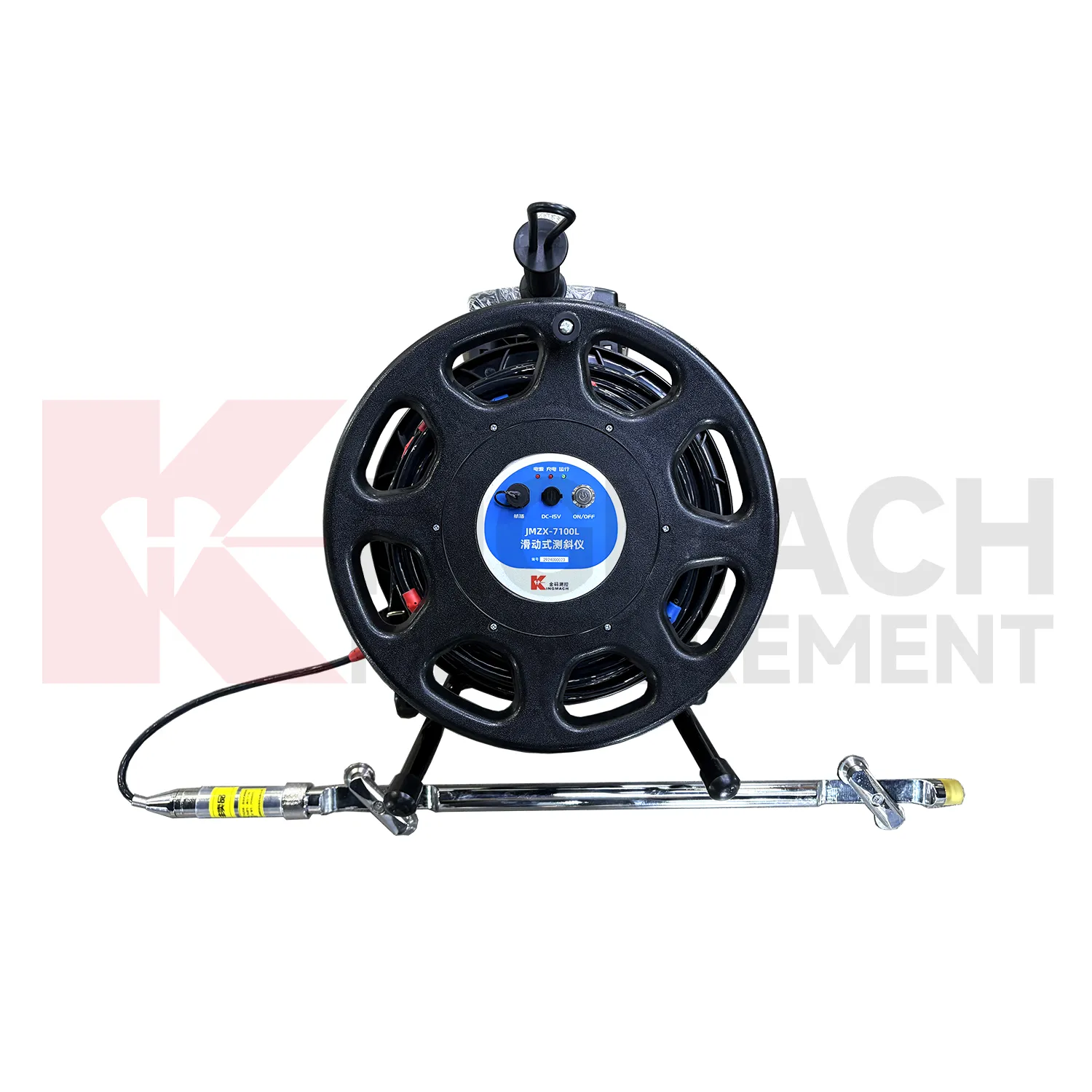
Future Kingmach Multichannel Signal Acquisition Unit will make reporting easier for mixed audiences. Field technicians, engineers, construction managers, asset owners, and maintenance teams do not use data in the same way. A technician needs point status and sensor response. An engineer needs trends and event context. An owner needs a reliable summary of asset behavior. Future acquisition systems should help organize the same record into views that fit these roles while keeping the underlying data traceable. This makes monitoring more useful across the full project life. Role-based reporting can keep technical detail available without forcing every user to read the same view. Maintenance staff may need battery and connection status, while engineers may need comparison charts and export files. Owners may need trend summaries and exceptions. A clearer reporting structure will make acquisition data easier to act on. It also reduces the need to rewrite data manually for each meeting or report. later.
Care & Maintenance of Multichannel Signal Acquisition Unit
Firmware, settings, and communication checks help Kingmach Multichannel Signal Acquisition Unit remain dependable. Remote upgrade, communication mode, sampling interval, baud rate, platform channel, and storage behavior should be documented when changed. A setting change can alter the meaning of the record if it is not visible to reviewers. Before changing intervals or upload rules, the team should confirm why the change is needed and which channels are affected. After the change, a short verification reading should be saved. This makes the acquisition history easier to audit. Settings maintenance should include a before-and-after note. If a station changes from frequent readings to slower routine acquisition, the report should show that timing change. If communication is moved from local export to wireless upload, the platform channel should be checked against the field label. These notes protect interpretation after updates. and reduce avoidable disputes. during audits and handover. over time. for teams. clearly and safely. consistently.
Kingmach Multichannel Signal Acquisition Unit
Kingmach Multichannel Signal Acquisition Unit support both slow-changing and event-based monitoring. Settlement, temperature, and pore pressure may need scheduled acquisition over long periods. Vibration, dynamic strain, and construction events may need faster synchronized capture. A monitoring plan should match the acquisition method to the behavior being measured. If the device records too slowly, short events may be missed. If it records too often without purpose, the project may store more data than reviewers can use. The acquisition device should therefore fit the engineering question, the sensor type, and the review method. Slow monitoring needs dependable intervals, stable power, and clear long-term storage. Event monitoring needs timing, trigger notes, and channel synchronization. Treating these two needs separately helps the buyer avoid a weak setup and gives engineers a clearer record for later interpretation. For example, bridge vibration testing and long-term settlement logging should not be planned with the same acquisition logic. The device, interval, storage method, and review routine should follow the behavior being measured.
FAQ
Q: How should devices be maintained?
A: Maintain batteries, connectors, labels, cable routes, enclosures, communication settings, storage, and exported records according to site conditions.
Q: Why record setting changes?
A: A changed interval, communication method, channel name, or firmware state can affect later interpretation, so the date and reason should remain visible.
Q: Can data be reviewed remotely?
A: Wireless and platform-connected devices can support remote review when communication, power, upload settings, and channel identity are configured correctly.
Q: What makes long-term records useful?
A: Long-term records stay useful when baseline values, maintenance notes, device status, sensor locations, and normal behavior examples remain available.
Q: What should buyers ask suppliers?
A: Buyers should ask about sensor compatibility, channel capacity, power planning, storage, communication, export format, field protection, and after-sales support. The record stays useful when point names, channel labels, sensor type, measurement time, and field condition are kept together, because later reviewers can connect the number with the actual structure and inspection history.
Reviews
Robert Taylor
The weir flow meter is well-built and delivers accurate measurements. Great value for water management applications.
David Wilson
We purchased displacement transducers and settlement sensors, and the quality exceeded our expectations. Easy installation and reliable performance.
Latest Inquiries
To protect the privacy of our buyers, only public service email domains like Gmail, Yahoo, and MSN will be displayed. Additionally, only a limited portion of the inquiry content will be shown.
Ava***@gmail.comAustralia
Hi, I am looking for reliable tiltmeters and accelerometers for structural health monitoring. Please...
Olivia***@gmail.comUnited States
Hello, we are currently sourcing high-precision strain gauges and load cells for a bridge monitoring...
Related product categories
- Intelligent Power Module
- Digital Intelligent Power Module
- Integrated AC/DC Intelligent Power Supply
- Industrialgrade Intelligent Power Module
- Integrated Central Acquisition Module
- Lowpower Industrialgrade Wireless Data Logger
- Lowpower 4G Wireless Data Logger
- Industrial Automation Chassis
- Embedded Automation Chassis
- Rackmount Automation Chassis
- Custom Automation Chassis
- Integrated Automation Chassis