
 EN
 ar
 bg
 hr
 cs
 da
 nl
 fi
 fr
 de
 el
 hi
 it
 ko
 no
 pl
 pt
 ro
 ru
 es
 sv
 tl
 iw
 id
 lv
 lt
 sr
 sk
 sl
 uk
 vi
 et
 hu
 th
 tr
 fa
 ms
 hy
 ka
 ur
 bn
 mn
 ta
 kk
 uz
 ku

Construction Monitoring
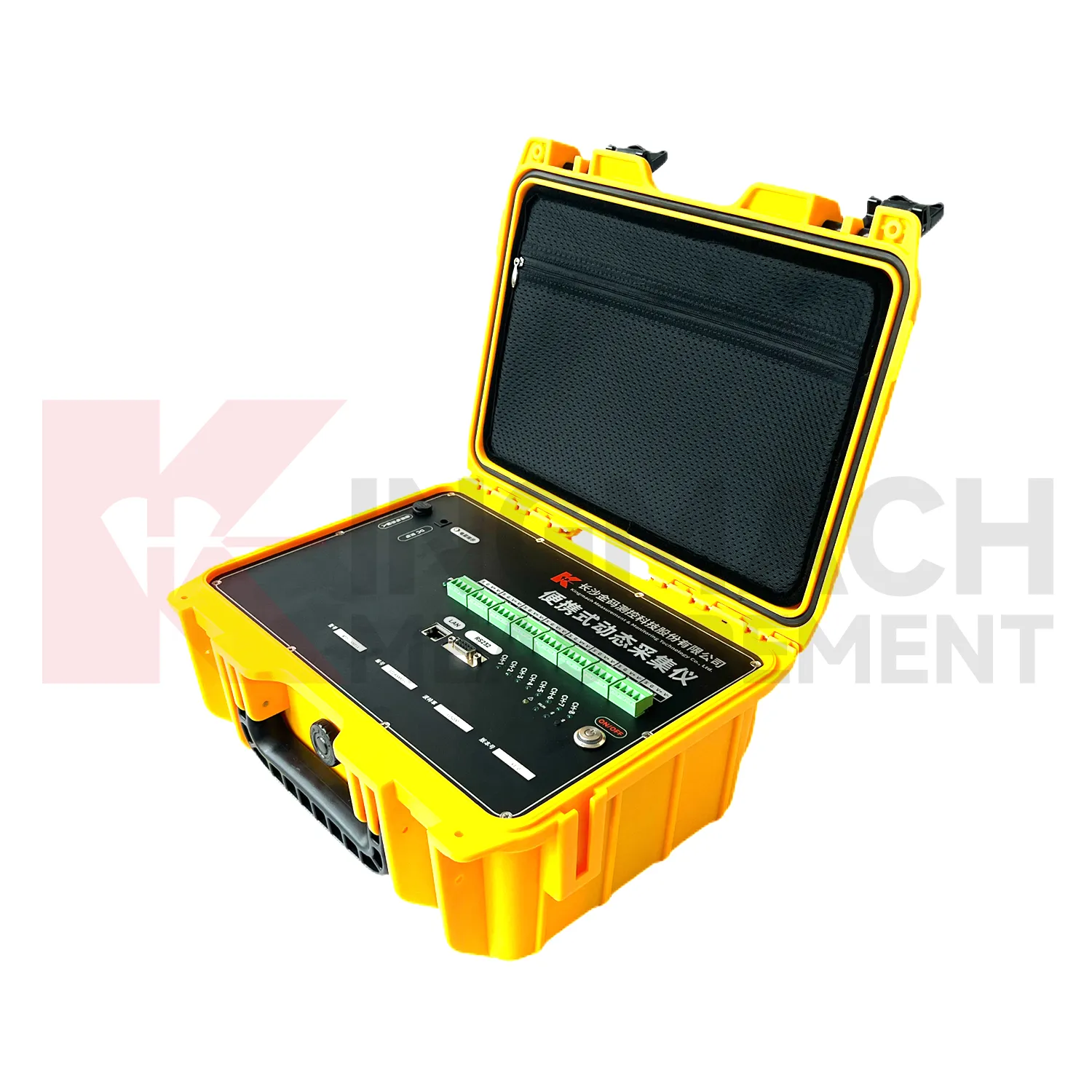
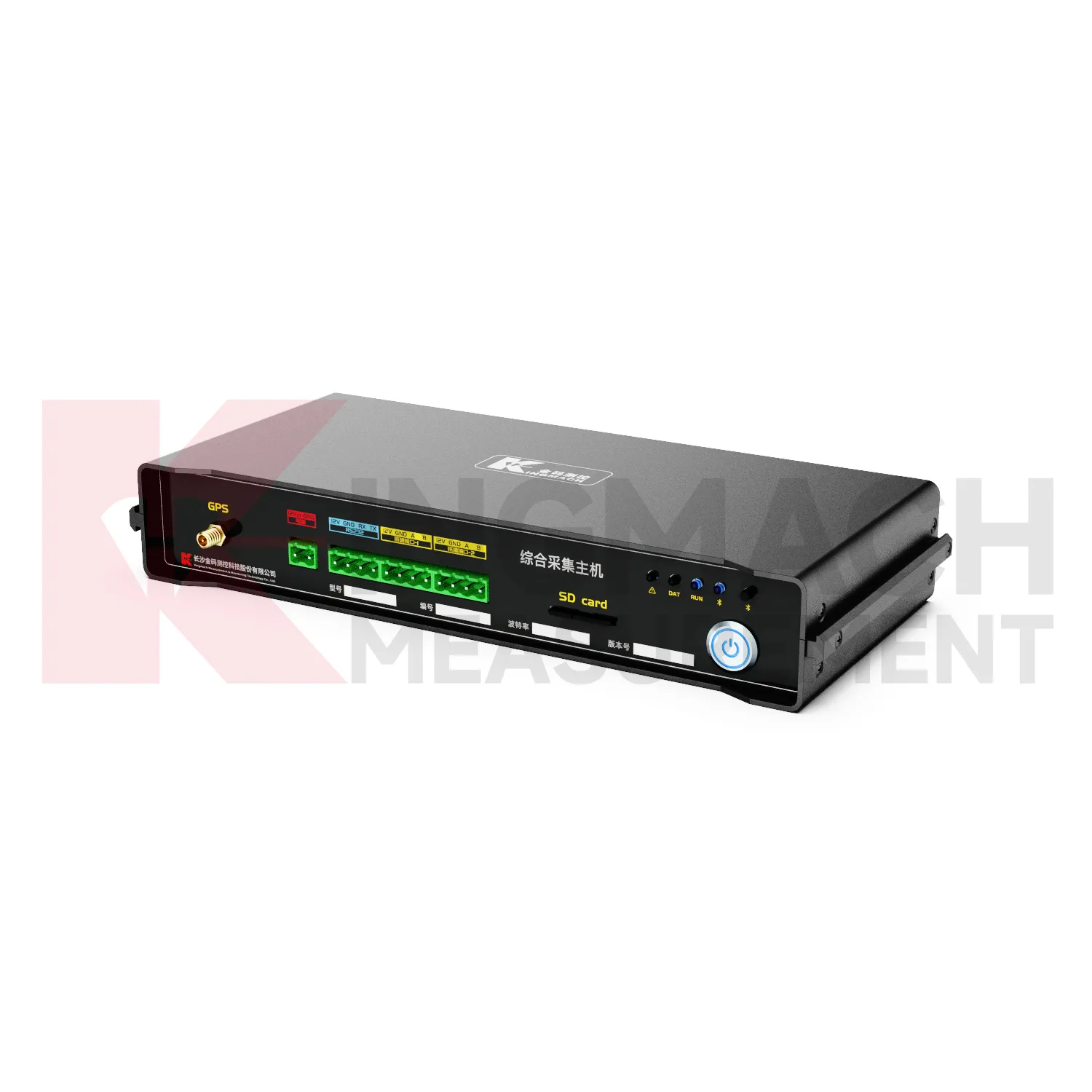
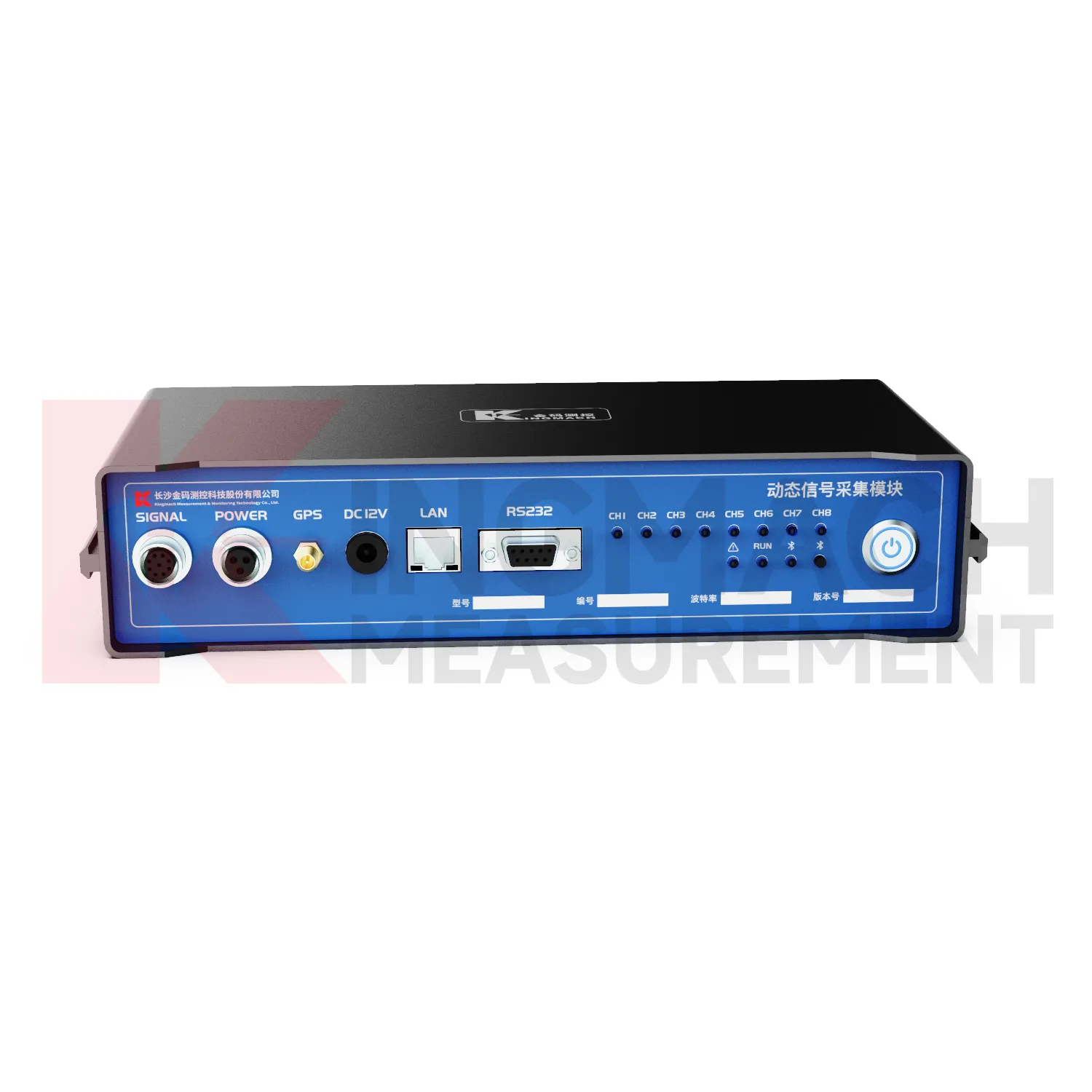
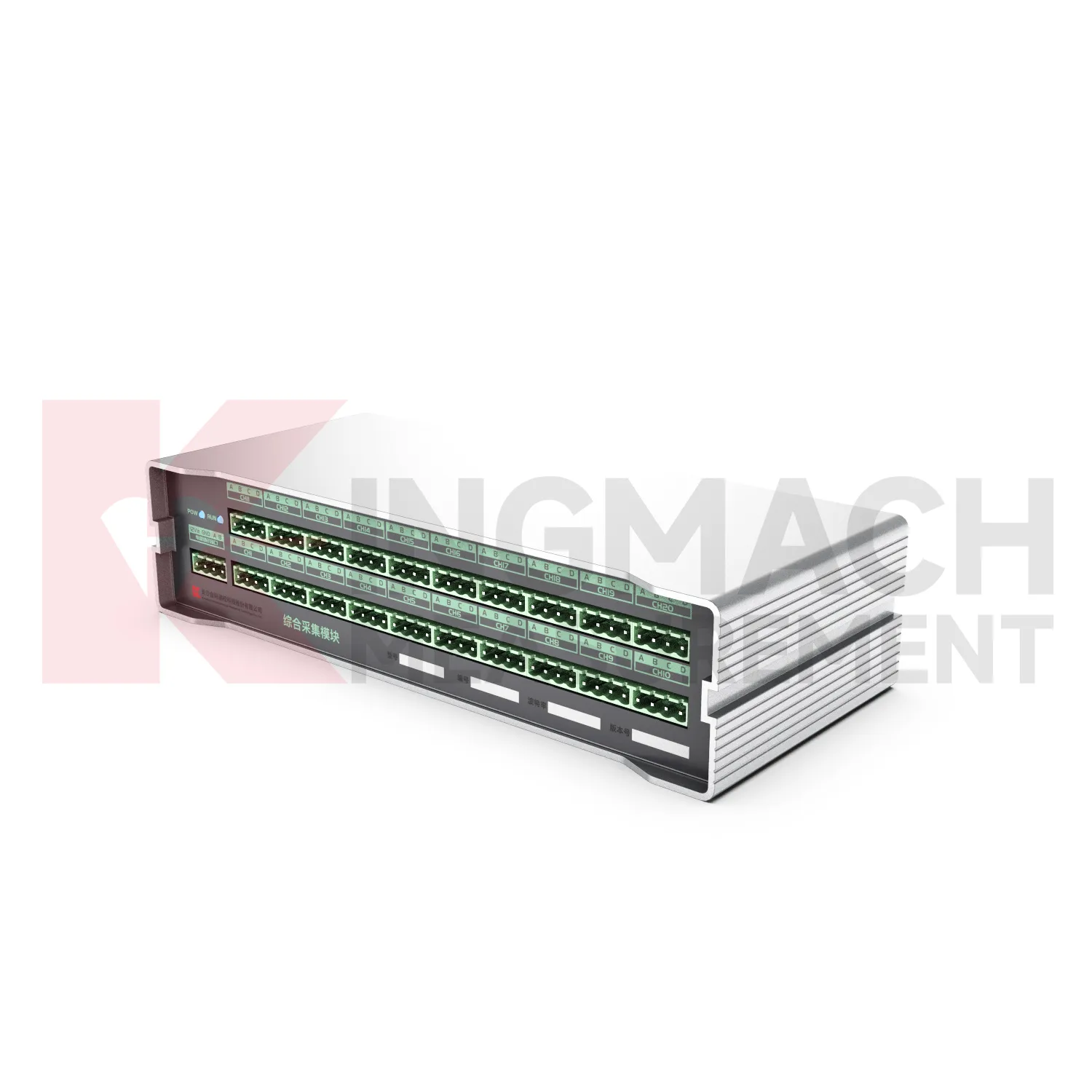
Kingmach Construction Monitoring make monitoring networks easier to operate when sensor readings must support formal decisions. Construction teams may need fast confirmation after loading or excavation. Maintenance teams may need periodic checks after repair. Owners may need long-term records that can be exported for reporting. A data logger or readout should support these uses through stable measurement, clear display, dependable storage, and practical communication. It should also help prevent avoidable confusion by keeping the channel name, sensor type, and acquisition time visible. When the device is planned as part of the monitoring system, the project gains cleaner data and fewer uncertain readings. Formal decisions often require a record that can be defended months later. The reviewer may need to know who collected the data, which device was used, whether the station was healthy, and whether a field note explains unusual behavior. Acquisition discipline gives that review a stronger foundation and reduces arguments about missing context. Such discipline supports construction claims, repair review, safety meetings, and owner handover. A dependable device record can show whether a reading was routine, repeated, missing, or linked to a maintenance action. It also helps teams explain why an abnormal value was accepted, questioned, repeated, or linked to field inspection.
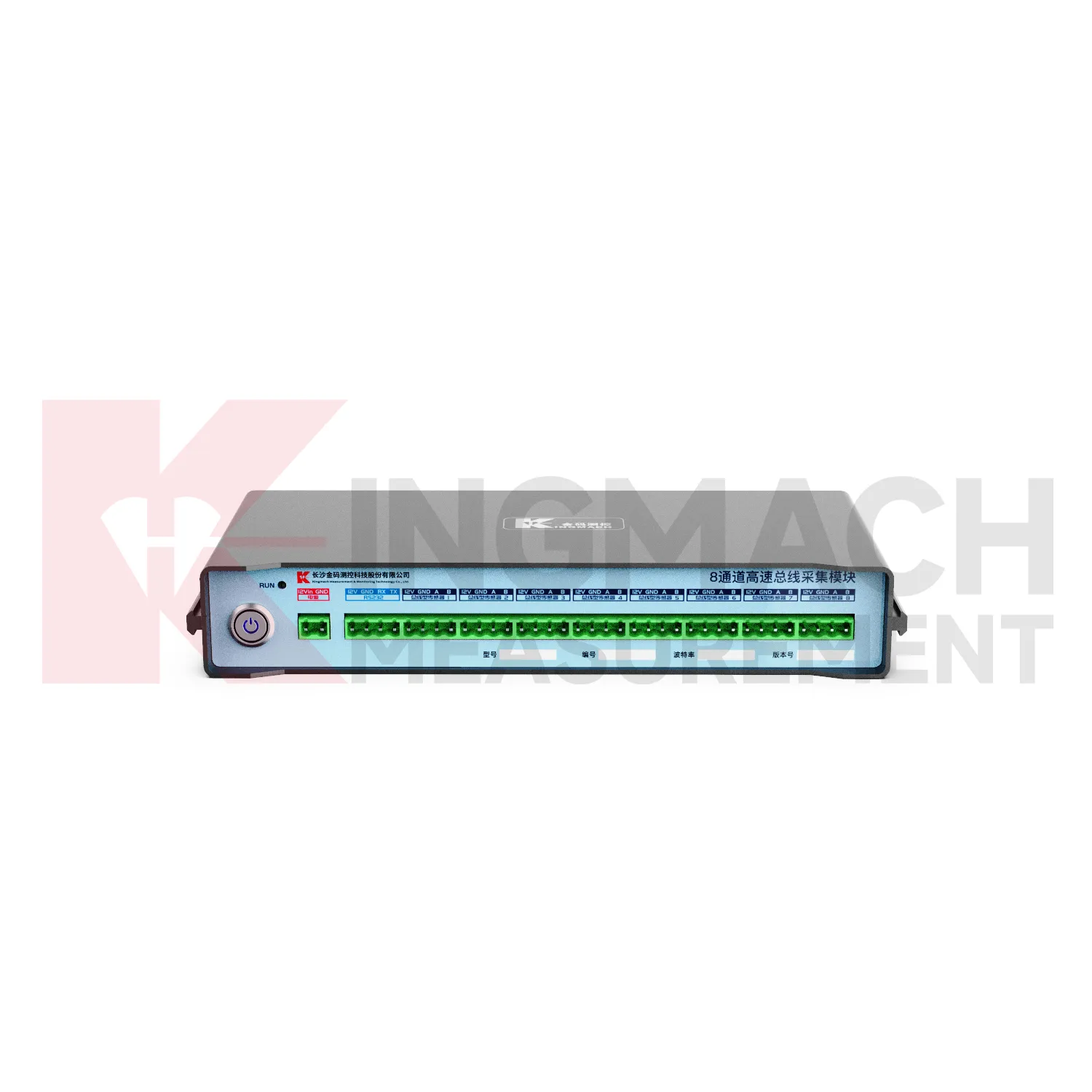

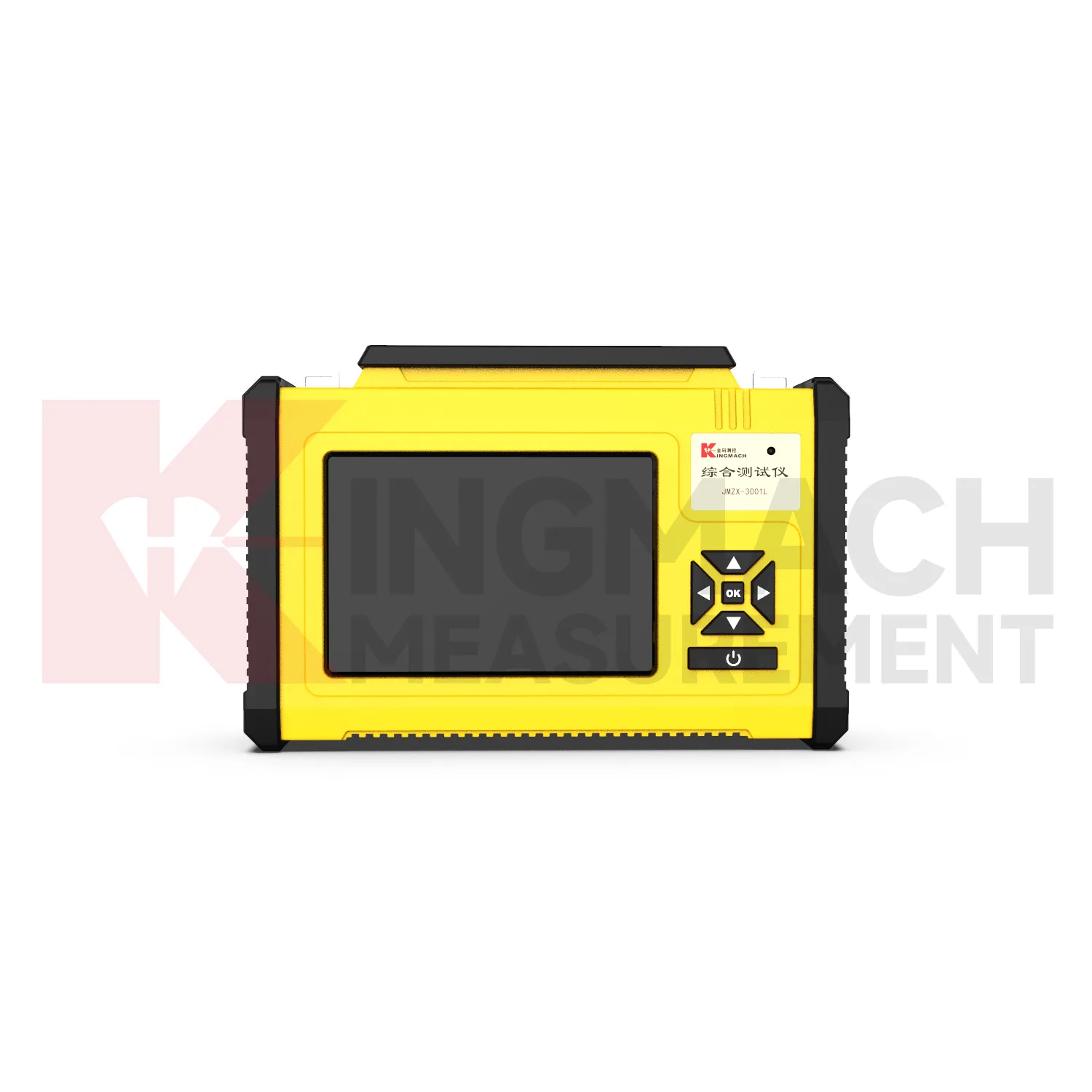
Application of Construction Monitoring
Tunnel and underground projects use Kingmach Construction Monitoring when sensor access is limited and monitoring records must remain dependable. Settlement points, convergence instruments, strain gauges, load cells, seepage sensors, environmental points, and vibration sensors may all require different acquisition behavior. A portable readout helps crews verify sensors during installation or inspection rounds. A logger supports unattended acquisition when access is restricted by work stages, safety rules, or operating hours. Dynamic acquisition can capture blasting, train passage, machinery activity, or short vibration events. The record should connect data with tunnel section, chainage, support type, work activity, and inspection notes so engineers can understand whether a reading reflects normal construction response or a condition that needs field confirmation. Underground monitoring also needs careful access planning. A station may sit behind temporary support, inside a gallery, near drainage, or beside active work areas. The acquisition device should keep records clear even when crews rotate or work shifts change. Section names, installation photos, sensor groups, and event notes help the engineering team compare readings with excavation progress, lining work, seepage condition, and vibration events. This is useful when tunnel monitoring continues across excavation, support installation, waterproofing, track work, and later operation. over time safely. consistently.
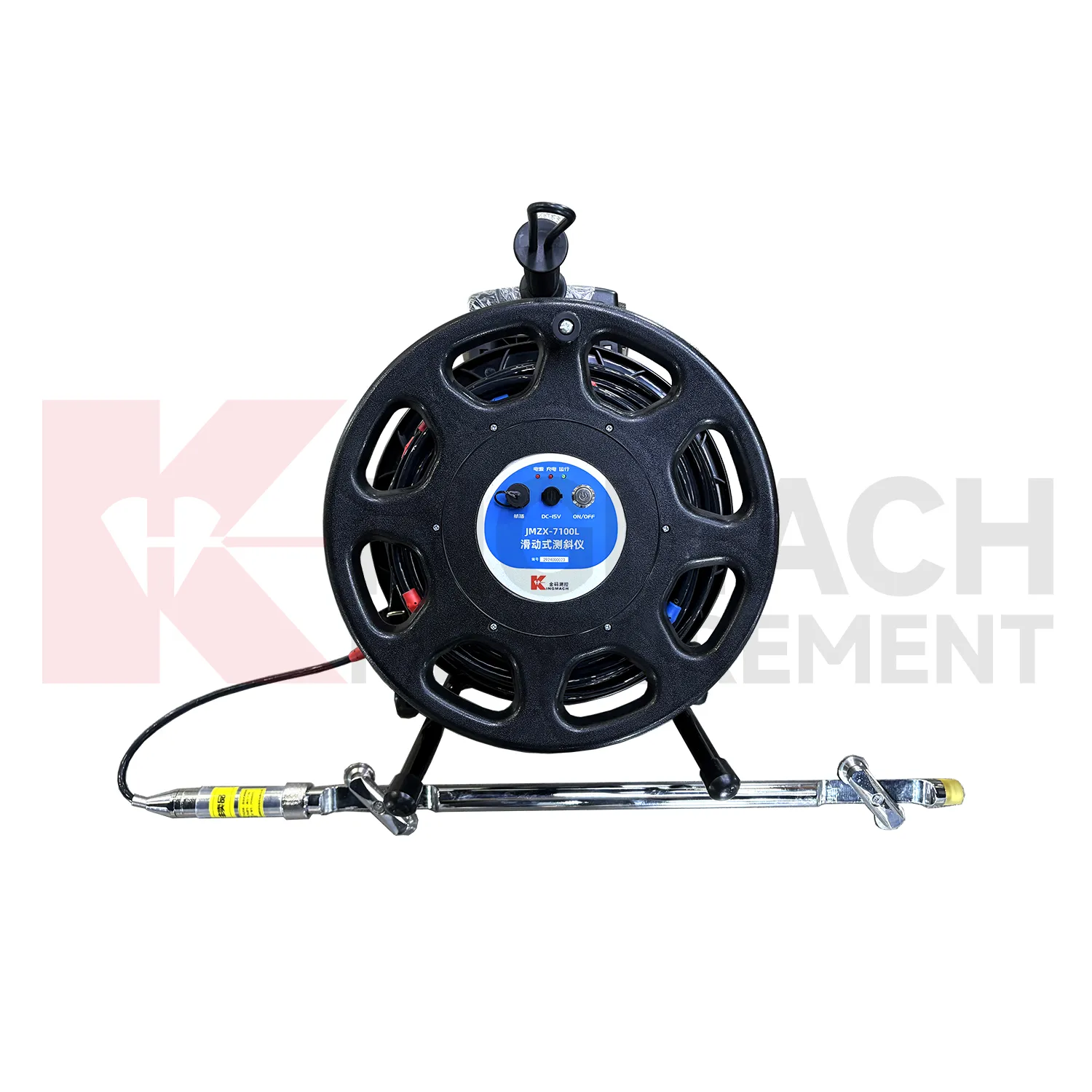
The future of Construction Monitoring
Future Kingmach Construction Monitoring will make reporting easier for mixed audiences. Field technicians, engineers, construction managers, asset owners, and maintenance teams do not use data in the same way. A technician needs point status and sensor response. An engineer needs trends and event context. An owner needs a reliable summary of asset behavior. Future acquisition systems should help organize the same record into views that fit these roles while keeping the underlying data traceable. This makes monitoring more useful across the full project life. Role-based reporting can keep technical detail available without forcing every user to read the same view. Maintenance staff may need battery and connection status, while engineers may need comparison charts and export files. Owners may need trend summaries and exceptions. A clearer reporting structure will make acquisition data easier to act on. It also reduces the need to rewrite data manually for each meeting or report. later.
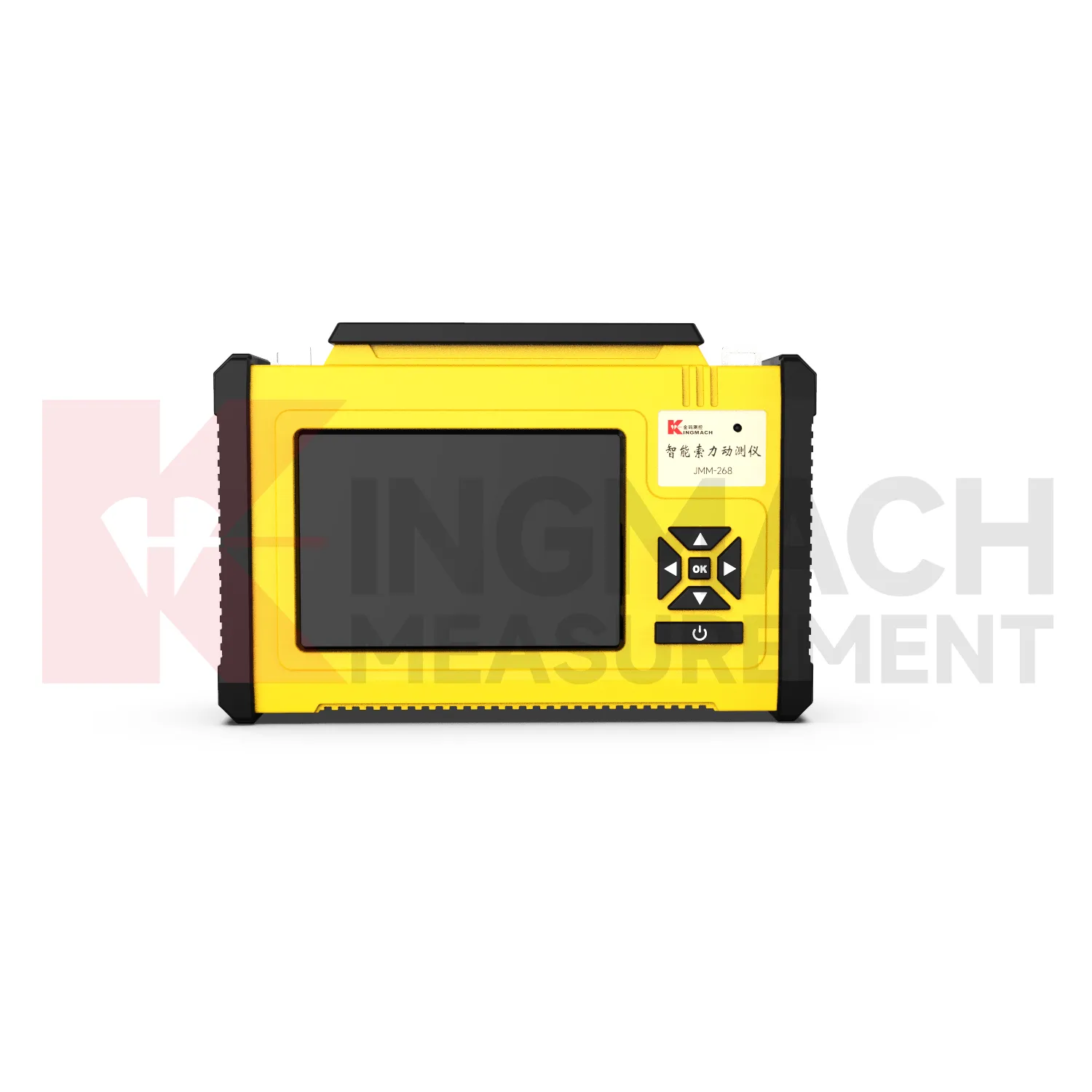
Care & Maintenance of Construction Monitoring
Portable readout maintenance for Kingmach Construction Monitoring should focus on field readiness. Before an inspection route, check battery charge, display condition, connectors, storage space, sensor cables, and export method. Field crews should also confirm that the device time is correct because time stamps are part of the monitoring record. After the route, export and back up readings before the next job overwrites or confuses the file. A readout that is ready before the visit saves time on site and reduces the chance of returning for missed measurements. Field readiness also includes route planning. The operator should know which sensors need verification, which cable adapters are required, and where previous values are stored for comparison. After the visit, any unusual reading should be linked with a point name and site condition. This keeps portable measurements useful after the crew has moved to the next structure. and supports later reporting. for owners. consistently.
Kingmach Construction Monitoring
Kingmach Construction Monitoring support projects when monitoring duties shift between installation teams, testing teams, owners, and maintenance contractors. Early readings may come from a handheld instrument during sensor acceptance, while later readings may be gathered by a fixed cabinet, a wireless station, or a portable unit brought back for verification. The important requirement is continuity: every channel should keep a recognizable identity, every reading should carry enough field context to be interpreted, and every operating change should be traceable. A good handover package explains sensor grouping, channel labels, collection rhythm, communication route, power arrangement, and review responsibility in language that a new technician can follow. This prevents routine monitoring from depending on one person?s memory. When a bridge, tunnel, dam, slope, building, railway section, or industrial test rig remains under observation for months, the acquisition system must make daily work orderly: connect, confirm, collect, review, report, and keep the history usable for engineering judgement.
FAQ
Q: What are Readouts & Data Loggers used for?
A: They collect, display, store, and transfer sensor readings so engineering teams can review monitoring data from structural, geotechnical, and industrial projects.
Q: How are readouts different from data loggers?
A: Readouts are often used for field checking and portable measurement, while data loggers support automatic acquisition, scheduled records, and longer monitoring periods.
Q: Which sensors can be connected?
A: The category can support vibrating wire sensors, digital RS485 sensors, temperature points, dynamic signals, strain instruments, displacement sensors, tilt sensors, and other monitoring devices depending on the model.
Q: Why is channel naming important?
A: Clear channel names connect each reading with the correct sensor, location, structure, and review purpose, which prevents confusion during reporting and handover.
Q: What should be checked before purchase?
A: Buyers should define sensor type, channel count, acquisition interval, power supply, communication method, storage needs, site access, and reporting workflow.
Reviews
Christopher Martinez
Very satisfied with the readouts & data loggers. User-friendly interface and supports multiple sensor inputs.
Michael Anderson
The strain gauges and load cells are extremely accurate and stable. They performed very well in our bridge monitoring project. Highly recommended!
Latest Inquiries
To protect the privacy of our buyers, only public service email domains like Gmail, Yahoo, and MSN will be displayed. Additionally, only a limited portion of the inquiry content will be shown.
Olivia***@gmail.comUnited States
Hello, we are currently sourcing high-precision strain gauges and load cells for a bridge monitoring...
Emma***@gmail.comCanada
Dear Sir/Madam, we are interested in displacement transducers and settlement sensors for a geotechni...
Related product categories
- data acquisition module
- signal acquisition module
- compact data acquisition modules
- acquisition module
- data acquisition modules
- modular data acquisition system
- modular acquisition
- portable data acquisition module
- signal acquisition and actuation module
- temperature acquisition module
- wireless acquisition module
- modular automation acquisition